
Sauces & Condiments
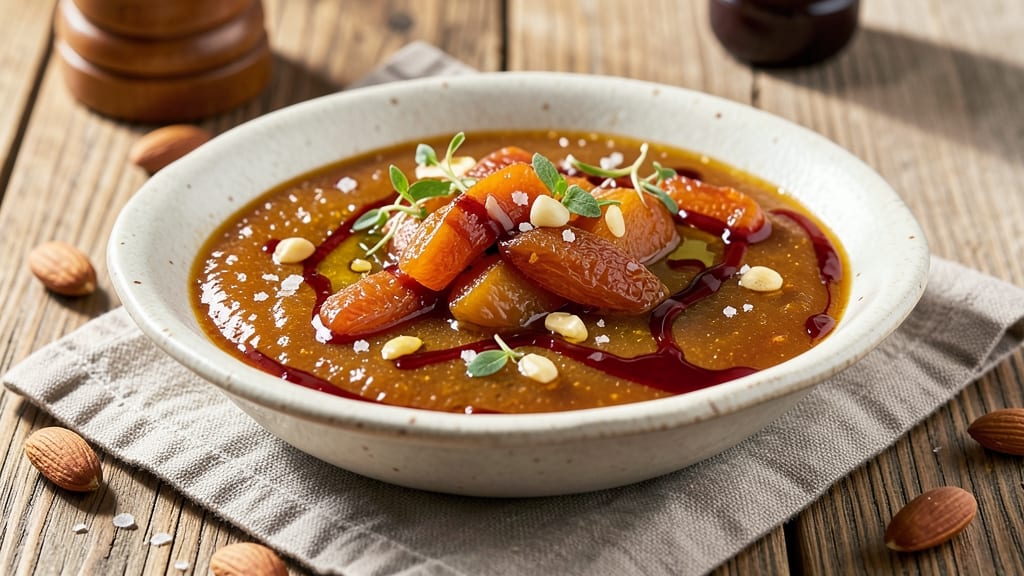
This apricot habanero sauce recipe delivers the perfect marriage of sweet and fiery flavors that will transform your grilling game forever. The secret lies in balancing ripe apricots with habanero's signature heat, creating a versatile sauce that works equally well on grilled meats, tacos, or even as a dessert drizzle.
I developed this recipe after years of experimenting with fruit-based sauces, and the result is a complex, balanced condiment that's both restaurant-worthy and surprisingly easy to make at home.
The foundation of this sauce begins with simmering dried apricots and habanero peppers in apple cider vinegar, which helps mellow the heat while building depth of flavor. As the mixture reduces, you'll notice the natural sweetness of the apricots caramelizing beautifully, while the habanero adds layers of smoky, fruity heat.
The addition of tomato paste creates a rich, velvety texture that clings perfectly to grilled foods, making every bite unforgettable.
What makes this sauce truly special is its versatility—use it as a marinade for chicken or pork, drizzle it over grilled vegetables, or even spoon it over vanilla ice cream for a surprising dessert application.
The heat level can be easily adjusted by removing habanero seeds or adding more sweetener, giving you complete control over the spice intensity. With just 15 minutes of active prep and 30 minutes of simmering, you'll have a batch of this incredible sauce ready to elevate any dish.
Store leftovers in the refrigerator for up to 2 weeks or freeze for 3 months, making this sauce a perfect make-ahead option for your next cookout or dinner party.
The balance of sweet and heat in this recipe is what makes it truly unique—once you try it, you'll never go back to store-bought sauces again.
Ingredients for apricot habanero sauce
Sweet, spicy, and utterly addictive—this sauce transforms grilling into a flavor explosion.
| Ingredient | Amount | Notes |
|---|---|---|
| Dried Apricots 🍑 | 1 cup | Chopped into small pieces |
| Habanero Peppers 🌶️ | 2 whole | Seeds removed for mild heat |
| Apple Cider Vinegar 🍏 | 1 cup | Raw, unfiltered preferred |
| Tomato Paste 🍅 | ½ cup | High-quality, no additives |
| Extra-Virgin Olive Oil 🫒 | ¼ cup | Fruity, not bitter |
| Garlic Cloves 🧄 | 3 cloves | Peeled, minced finely |
| Honey 🍯 | 2 tbsp | Raw, local preferred |
| Salt 🧂 | 1 tsp | Diamond Crystal kosher |
| Ground Black Pepper 🌶️ | ½ tsp | Freshly cracked |
| Fresh Ginger 🌿 | 1 tbsp | Grated, aromatic |
The dried apricots should be plump and moist—not dried out. Trader Joe's or Whole Foods carry the best quality, but any bulk bin will work if they're fresh. Habaneros? Mexican markets often have fresher stock, but the grocery store works too—just pick firm peppers with vibrant color. The apple cider vinegar should be raw and unfiltered for that tangy depth. I always grab Bragg when I can, but any organic brand does the trick. For the tomato paste, skip the watery brands—Mueller's or Rao's are worth the splurge here.
No habaneros? Scotch bonnet peppers work in a pinch, but you'll need to adjust the heat by removing more seeds. Fresh ginger? Dried works at half the amount, but it lacks that bright zing. The honey can be swapped for maple syrup if you're avoiding it, though it changes the flavor profile slightly. For extra richness, a splash of red wine (about 2 tbsp) deepens the complexity—just reduce the vinegar by the same amount. The olive oil matters here—use something you'd drizzle on bread, not the cheap stuff.
Store this sauce in a clean glass jar with a tight seal. It keeps in the fridge for 2 weeks, but honestly, it won't last that long. For freezing, portion into ice cube trays—perfect for single servings later. The flavors actually improve over time, so make a big batch. If it thickens too much, just whisk in a splash of water or vinegar to loosen it up. Trust me, you'll want this on everything.
Why You'll Love This Recipe
- Pantry Magic: I swear by this one—no fresh ingredients needed. Just dried apricots soaking in hot water, a couple of habaneros (seeds removed if you’re not brave), and a splash of vinegar. The tomato paste thickens it all in minutes, so you’re not stuck stirring for hours.
- Sweet Heat Balance: Honestly, the combo is chef’s kiss—the jammy sweetness of the apricots cuts through the habanero’s kick like a cool breeze. A drizzle of olive oil at the end ties it all together, making it rich but never heavy.
- Weeknight to Dinner Party: Between us, this sauce is my go-to for everything from grilled chicken to roasted potatoes. (Yes, even on a Tuesday night.) But it also shines when I’m hosting—just reduce it longer for a glaze, and suddenly your dish looks like you slaved over it.
- Budget-Friendly Fire: I make a big batch and freeze it—no waste, no stress. The dried apricots and vinegar stretch it far, and the habanero’s heat lingers in every jar. Plus, it’s cheaper than buying specialty sauces, and way more interesting.
Step-by-step instructions for apricot habanero sauce
Here's how to create a perfectly balanced sauce that dances between sweet and fiery heat.
Rehydrate the Apricots and Prep Ingredients
In a medium saucepan, combine the 1 cup dried apricots with the 1 cup apple cider vinegar. Bring to a gentle simmer over medium heat and let cook for 10 minutes—this ensures the apricots soften completely and release their natural sweetness. While they're rehydrating, remove seeds from the 2 whole habanero peppers (keep the membranes for mild heat) and finely chop them. Peel and mince the 3 cloves garlic, and grate the 1 tablespoon fresh ginger using a microplane for maximum aromatic punch.
Here's the thing—don't rush this step. The apricots should break down into a jam-like consistency, and you'll notice the liquid will reduce slightly, intensifying the fruit's flavor. If you see any hard pieces after 10 minutes, give them another 2-3 minutes of simmering. This is where the sauce's sweet foundation gets built.
Build the Base with Tomato Paste and Aromatics
Once the apricots are tender, stir in the 0.5 cup tomato paste and let it cook for 5 minutes over medium-low heat. This creates a rich, velvety base that balances the fruit's sweetness. Add the chopped habanero peppers, minced garlic, and grated ginger, then cook for another 3-4 minutes until the raw garlic aroma disappears and the peppers soften slightly. You'll smell that perfect marriage of sweet, spicy, and aromatic notes—this is your flavor foundation.
I press down gently on the mixture with a wooden spoon during the last minute of cooking. This ensures the aromatics infuse fully into the sauce rather than sitting on top. If the sauce starts to stick, add 1-2 tablespoons of water to keep it moving smoothly. The goal is a thick, glossy consistency that coats the back of a spoon.
Sweeten and Finish with Honey and Oil
Reduce the heat to low and stir in the 2 tablespoons honey and 0.25 cup extra-virgin olive oil. Let the sauce simmer gently for 5-7 minutes, stirring occasionally, until it thickens to your desired consistency. The honey will caramelize slightly, deepening the sauce's complexity, while the olive oil adds silky richness. Taste and adjust seasoning with the 1 teaspoon salt and 0.5 teaspoon ground black pepper—this is where you fine-tune the balance between sweet, spicy, and savory.
Here's the critical part: the sauce should coat the back of a spoon but still be pourable. If it's too thick after 7 minutes, add 1 tablespoon of water at a time until it reaches the right texture. If it's too thin, simmer uncovered for another 2-3 minutes to reduce it. The perfect consistency should be glossy yet spreadable—ideal for drizzling or glazing.
Rest and Strain for Smooth Perfection
Transfer the sauce to a blender or food processor and blend until completely smooth. For an ultra-refined texture, strain it through a fine-mesh sieve into a clean saucepan. This step removes any fibrous bits from the habanero peppers, giving you a silky, restaurant-quality finish. Return the sauce to low heat and let it simmer for 3-4 minutes to meld all the flavors together.
Let the sauce cool to room temperature before storing—this allows the flavors to fully develop. The sauce will thicken slightly as it cools, so don't worry if it looks a bit runny while warm. When ready to use, gently reheat over low heat or in the microwave, stirring occasionally to maintain its smooth texture. This sauce keeps beautifully in the refrigerator for up to 2 weeks or can be frozen for 3 months—just thaw and reheat gently to preserve its vibrant flavors.
Pro Tips For Making Apricot Habanero Sauce
- SOAK DRY APRICOTS FIRST: Dried apricots are tough little devils when raw—soak them in hot water for 10 minutes before adding to the sauce. They’ll soften faster and release their sweetness instead of turning to mush or sitting like chewy rocks in your sauce.
- DESEED HABANEROS CAREFULLY: Slice open those habaneros lengthwise, scrape out the seeds and membranes with a spoon—don’t just eyeball it. Those seeds pack the worst of the heat, and you’ll regret it later if you leave them in. (Yes, even if you love spice.)
- LOW AND SLOW WITH TOMATO PASTE: After adding the tomato paste, simmer the sauce on medium-low heat for at least 15 minutes. Rushing this step means a raw, floury taste—let it cook until the oil separates slightly and the flavors meld, or you’ll just be eating undercooked paste.
- SWEAT THE VINEGAR: Don’t dump the apple cider vinegar in all at once—add it gradually while simmering and let it cook off for 5 minutes first. This softens the acidity and deepens the fruitiness, so your sauce doesn’t taste like a pickle punch. (Trust me, you’ll notice the difference.)
Dietary considerations for this recipe
Gluten-Free Adaptations
This sauce is naturally gluten-free since it doesn't contain any wheat-based ingredients. However, if you're using pre-made tomato paste or vinegar with additives, always double-check labels for hidden gluten. I recommend Mueller's or Rao's tomato paste—both are certified gluten-free.
The dried apricots and other ingredients are also safe for gluten-free diets, so no substitutions are needed beyond verifying your pantry staples. 🌾
Low-Sugar Options
For a lower-sugar version, reduce the honey to just 1 tablespoon or swap it entirely for 1 tablespoon maple syrup. You can also balance the sweetness by adding an extra ½ teaspoon of apple cider vinegar to enhance the tang.
The sauce will still be flavorful, though slightly less rich. I find this works well if you're watching sugar intake but still want that sweet-spicy balance.
Dairy-Free Considerations
The recipe is already dairy-free, but if you're using it as a marinade for dairy-sensitive dishes, ensure your grilling surface or utensils are clean to avoid cross-contamination. The sauce's natural oils and acids work beautifully on grilled chicken, pork, or tofu without any dairy interference.
For extra richness, consider adding 1 teaspoon of coconut aminos instead of salt—it adds umami depth while keeping it dairy-free.
Spice-Free Alternative
If habanero peppers are too intense, you can replace them with 1 teaspoon of mild chili powder or ½ teaspoon of smoked paprika for warmth without heat.
For a completely spice-free version, omit the habanero entirely and add ½ teaspoon of cinnamon or ¼ teaspoon of nutmeg to enhance the apricot's natural sweetness. The sauce will still be delicious—just without the fiery kick!
Nut-Free Adjustments
While the recipe doesn't contain nuts, if you're avoiding them in your kitchen, be mindful of cross-contamination when measuring ingredients like honey or olive oil. Some brands process these in facilities that also handle nuts.
For extra caution, use certified nut-free honey or olive oil from a dedicated nut-free brand. The sauce itself remains nut-free, but these small precautions can give you peace of mind.
Allergen-Friendly Tips
For those with allergies, this sauce is generally safe, but always verify ingredient sources. If you're allergic to garlic or ginger, omit them and boost the flavor with an extra ½ teaspoon of onion powder or ¼ teaspoon of ground coriander.
For a soy-free version, avoid coconut aminos and stick to salt or vinegar for seasoning. The beauty of this recipe is its flexibility—you can easily adapt it to fit most dietary needs while keeping the signature sweet-spicy profile intact. 💪
Nutrition facts
Frequently asked questions
How do I adjust the heat level in this sauce?
Remove habanero seeds and membranes for milder heat, or keep them for extra spice. For a sweeter balance, add 1 extra tablespoon of honey or swap ½ cup of the vinegar for orange juice. If you prefer more heat, increase to 3 habaneros (seeds included) and reduce honey to 1 tablespoon.
Can I substitute fresh apricots for dried?
Yes! Use 2 cups of peeled, pitted fresh apricots instead of dried, but reduce the vinegar to ½ cup since fresh fruit releases more liquid. Simmer for 8-10 minutes until soft, then proceed with the recipe. The texture will be slightly thinner, so you may need to reduce longer at the end.
What's the best way to use this sauce?
Drizzle it over grilled meats like pork chops or chicken, use as a marinade for 2-4 hours before cooking, or serve as a dip with tortilla chips. For desserts, try a spoonful over vanilla ice cream or pound cake. The sauce also works as a glaze for roasted vegetables or a finishing touch for tacos.
Why does my sauce look too thin?
Simmer uncovered for 5-10 extra minutes to reduce the liquid. If it's still too runny, mix 1 teaspoon cornstarch with 1 tablespoon water, stir into the sauce, and cook for 2 more minutes until thickened. Avoid over-blending—straining removes excess liquid for a smoother consistency.
How can I make this sauce last longer?
Store in an airtight glass jar in the fridge for up to 2 weeks. For longer storage, freeze in 1-tablespoon portions (great for single servings) or in a single container for 3 months. Thaw overnight in the fridge and reheat gently to preserve texture. The flavors actually improve with time!