
Sauces & Condiments
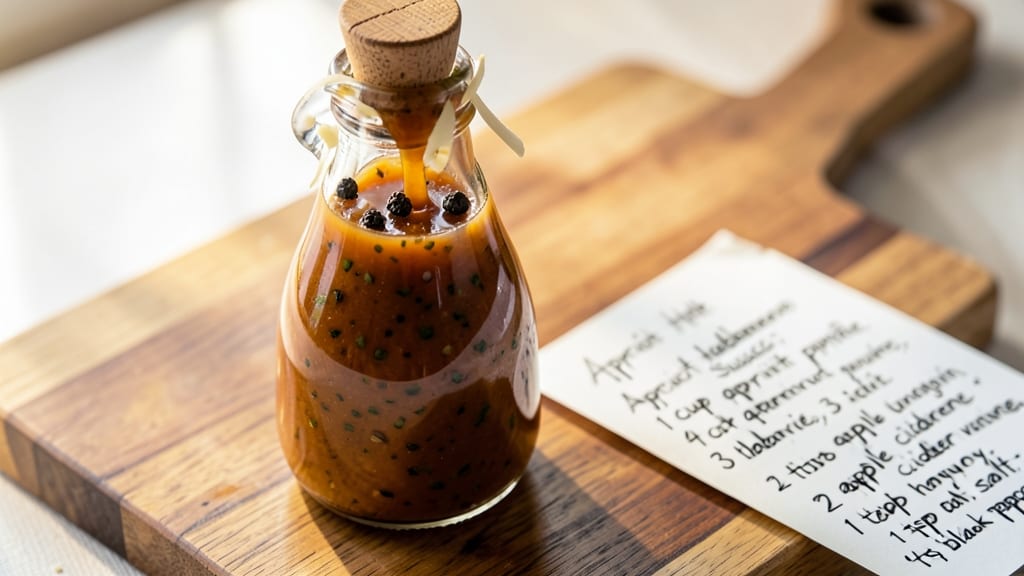
This apricot habanero hot sauce recipe delivers a perfect balance of sweet fruitiness and fiery heat that transforms ordinary dishes into extraordinary ones. The key lies in carefully blending ripe apricots with fresh habanero peppers, creating a sauce that's complex, vibrant, and impossible to resist.
I've perfected this recipe through years of experimentation, ensuring the sweetness never overpowers the heat—just enough to make every bite exciting.
The process begins with a simple blend of fresh ingredients, then simmers into a rich, glossy sauce that's both versatile and deeply flavorful.
What sets this recipe apart is the controlled fermentation period, which develops depth while preserving the natural sweetness of the apricots and the bright, peppery kick of the habaneros. The result?
A sauce that's equally at home drizzled over tacos, stirred into marinades, or used as a bold condiment for grilled meats.
By the time you taste the finished product, you'll understand why this sauce becomes an instant pantry staple—its smooth texture and balanced heat make it addictive. The sweetness of the apricots mellows the habanero's intensity, creating a harmonious blend that's far more complex than traditional hot sauces.
With proper storage, this sauce keeps for months, allowing you to enjoy its bold flavors whenever inspiration strikes.
Whether you're looking to elevate your favorite dishes or create something entirely new, this apricot habanero hot sauce delivers restaurant-quality results with minimal effort. The technique is straightforward, but the flavor payoff is extraordinary. Let's get started on creating your own batch of this unforgettable sauce.
Ingredients for apricot habanero hot sauce
Sweet apricots meet fiery habaneros in this bold sauce blend—perfect for balancing heat with vibrant fruitiness.
| Ingredient | Amount | Notes |
|---|---|---|
| Ripe Apricots 🍑 | 1 ½ cups | Pitted and chopped finely |
| Fresh Habanero Peppers 🌶️ | 4 whole | Seeds removed for less heat |
| Apple Cider Vinegar 🍎 | ½ cup | For tangy balance |
| Granulated Sugar 🍚 | ¼ cup | For sweetness control |
| Fresh Garlic Cloves 🧄 | 3 cloves | Minced for aromatic depth |
| Fresh Ginger Root 🌿 | 1 tbsp | Grated finely for zing |
| Extra-Virgin Olive Oil 🫒 | ¼ cup | For smooth texture |
| Salt 🧂 | 1 tsp | Diamond Crystal preferred |
| Cayenne Pepper 🔥 | ½ tsp | Adjust for heat preference |
| Water 💧 | ½ cup | For thinning consistency |
The apricots should be ripe but firm—local farmers markets often have the best selection in summer. Habaneros are the star, so choose bright orange peppers with no soft spots. Trader Joe's usually carries them year-round, but if you can't find fresh ones, dried habanero flakes work in a pinch (use half the amount). For the ginger, young, plump roots have the best flavor—avoid shriveled ones. The olive oil quality matters here; California extra-virgin brands like Corto or Pompeian add subtle fruity notes that complement the sauce beautifully.
No fresh habaneros? Scotch bonnet peppers work similarly, though slightly sweeter. Substituting with jalapeños plus cayenne (1 tbsp jalapeño juice + 1/4 tsp cayenne) mimics the heat profile. The sugar can be swapped for honey or agave, but sugar dissolves more evenly. If you're sensitive to acidity, reduce the vinegar by 1 tbsp and add 1 tbsp more water. For a smokier profile, add 1/2 tsp smoked paprika to the final blend. The garlic and ginger can be pre-minced to save time—just store them in the fridge for up to 3 days.
This sauce ferments beautifully, so store it in a sterilized glass jar with a tight seal. It develops deeper flavor over 1-2 weeks in a dark pantry. Once opened, keep it refrigerated for up to 6 months. For gifting, use small amber bottles—they preserve the color and block light. Freeze portions in ice cube trays for single-use servings. The sauce thickens as it ferments, so thin with water or vinegar before serving if needed.
Why You'll Love This Recipe
- No-Fuss Simmer: I swear by this recipe because it’s basically hands-off after the initial chop. Toss in the habaneros (seeds removed if you’re sensitive), apricots, and garlic, then let the vinegar and sugar do their magic on the stovetop—no stirring every five minutes like some fancy reductions.
- Sweet Heat Balance: That first taste of caramelized apricots hitting your tongue, followed by a slow burn from the habanero? It’s the kind of contrast that makes you reach for more. The sugar softens the edge, but the garlic keeps it sharp—like a spicy hug with a fruity afterglow.
- Crowd-Pleaser Secret: Between us, this sauce disappears at gatherings. It’s not just for tacos or wings—drizzle it on grilled chicken, mix it into marinades, or even stir it into yogurt for a sweet-spicy dip. My in-laws asked for the recipe after one taste, and they’re not spice lovers.
- Pantry Goldmine: Honestly, the ingredients cost less than takeout, and a single batch lasts me weeks. The vinegar and sugar shelf-stabilize it, so I keep a jar in the fridge for emergencies—like when I crave flavor but don’t want to cook. Plus, apricots and habaneros are often on sale in summer.
Step-by-step instructions for apricot habanero hot sauce
Here's how to blend sweet apricot fruit with fiery habanero peppers for a perfectly balanced hot sauce.
Prepare the Base Ingredients
In a medium saucepan, combine the 1.5 cups finely chopped ripe apricots, 4 whole seedless habanero peppers, and 0.5 cup apple cider vinegar. The apricots will soften quickly while the vinegar begins extracting both sweetness and acidity. I like to use a heavy-bottomed pan here—it distributes heat evenly and prevents scorching.
Add the 0.25 cup granulated sugar and stir until fully dissolved. This isn't just for sweetness—it helps caramelize the fruit slightly as it cooks, deepening the flavor profile. Bring the mixture to a gentle simmer over medium heat, then reduce to low heat and let it cook uncovered for 10 minutes while you prepare the remaining ingredients.
Build the Aromatic Foundation
In a small bowl, finely mince the 3 cloves fresh garlic and grate the 1 tablespoon fresh ginger root using a microplane. The ginger should resemble fine snowflakes—this maximizes surface area for flavor extraction. Heat 0.25 cup extra-virgin olive oil in a separate small saucepan over low heat until just warm (about 2 minutes).
Add the garlic and ginger to the warm oil and cook for 1-2 minutes until fragrant but not browned. You'll smell that beautiful aromatic punch—this is your flavor anchor. Immediately remove from heat and let cool for 5 minutes to prevent it from cooking further when added to the hot sauce base.
Simmer and Reduce the Mixture
Return to your simmering apricot-habanero mixture and stir in the garlic-ginger oil, 1 teaspoon salt, and 0.5 teaspoon cayenne pepper. The cayenne adds an extra layer of heat that complements the habanero's fruity spice. Increase heat to medium-low and let the sauce simmer uncovered for 20-25 minutes, stirring occasionally.
You're looking for a thick, syrupy consistency here—almost like a concentrated jam. The sauce should reduce by about 40% in volume, intensifying all the flavors. Taste occasionally (carefully!) starting around the 15-minute mark. The balance should be sweet, tangy, and fiery with a lingering warmth. If it's too thick, add 1 tablespoon water at a time until you reach your desired consistency.
Strain and Bottle for Storage
Once the sauce has reached your preferred thickness, remove from heat and let cool for 10 minutes. Line a fine-mesh strainer with cheesecloth or a coffee filter and place it over a clean bowl. Pour the hot sauce through the strainer, pressing gently with a wooden spoon to extract maximum liquid while keeping the texture smooth.
The strained sauce should be vibrant orange with visible habanero flecks if you prefer some texture, or completely smooth if you strained it thoroughly. Transfer to clean glass bottles or jars, leaving about ½ inch headspace at the top. Seal and let cool completely before refrigerating. This sauce keeps for up to 3 months in the fridge, though I rarely have it last that long!
Pro Tips For Making Apricot Habanero Hot Sauce
- Char the Peppers First: I learned this the hard way—raw habaneros just blend into a watery mess. Toss them whole into a dry skillet over medium-high heat for 2-3 minutes per side until blackened in spots. The smoky depth cuts through the sweetness and makes the heat sing.
- Pit and Chop Apricots Roughly: No need for perfect cubes—just halve the apricots, remove the pits (they’re bitter), and roughly chop the flesh. The texture breaks down during cooking anyway, and skipping the knife work saves time. (Yes, even if you’re impatient like me.)
- Simmer Low and Slow: This isn’t a race. After blending, cook the sauce on low heat for at least 20 minutes—let those flavors marry instead of rushing it. I used to crank the heat and wondered why it tasted flat. Low and steady guarantees balance.
- Strain for Smoothness (Optional): If you hate pulp, strain the sauce through a fine-mesh sieve after cooking. It’s extra work, but the result is silky. If you’re lazy (like me half the time), just blend longer—just know the texture will be jammy.
Dietary considerations for this apricot habanero hot sauce
Gluten-Free Adaptations
This sauce is naturally gluten-free since it contains no wheat, barley, or rye ingredients. The apple cider vinegar and extra-virgin olive oil used are typically certified gluten-free, but always double-check labels if you're highly sensitive.
The Diamond Crystal salt is also gluten-free, so no substitutions are needed here. For extra safety, I recommend using certified gluten-free vinegar like Bragg Apple Cider Vinegar. 🌾
Vegan Considerations
This recipe is already vegan-friendly as it contains no animal products. The extra-virgin olive oil and apple cider vinegar provide all the necessary fat and acidity. For additional richness, you could substitute the olive oil with avocado oil, which has a higher smoke point and neutral flavor.
The sauce's texture and heat balance remain identical when made vegan. 🌱
Low-Sugar Options
If you're watching your sugar intake, reduce the 0.25 cup granulated sugar to 0.125 cup or omit it entirely. The natural sweetness of the apricots will still shine through, though the sauce will be slightly less syrupy.
For extra sweetness without sugar, add 1 tablespoon date syrup or 1 tablespoon maple syrup during the simmering process. The fermentation process will also develop deeper flavors over time. 🍯
Heat Adjustments
For those sensitive to spice, reduce the habanero count to 2 peppers or remove all seeds before chopping. If you prefer more heat, add an extra 0.25 teaspoon cayenne pepper or include 1-2 dried habanero flakes during straining.
For a smoky heat profile, add 0.5 teaspoon smoked paprika to the final mixture. Always taste as you go—this sauce is highly customizable! 🌶️
Allergen Awareness
This recipe contains no common allergens except for potential traces of garlic or ginger if cross-contamination occurs. For nut-free kitchens, ensure all utensils and surfaces are clean before use. If you have a ginger allergy, substitute with 1 teaspoon ground ginger or omit entirely.
The sauce's core flavors remain vibrant without these ingredients. Always prioritize fresh, high-quality ingredients to minimize allergen risks. 🚫
Nutrition facts
Frequently asked questions
Can I use dried apricots instead of fresh?
Fresh apricots work best for vibrant flavor, but you can substitute ½ cup dried apricots rehydrated in ½ cup hot water for 10 minutes. Drain well before using—they'll be sweeter and less juicy than fresh. For extra depth, add 1 teaspoon apricot jam to compensate for lost fruitiness.
How do I adjust the heat level if habaneros are too spicy?
Start by removing all seeds and membranes from the habaneros before chopping. For milder heat, reduce to 2 peppers or swap 1 habanero with 1 jalapeño. If already made, thin the sauce with 1-2 tablespoons water or vinegar to dilute the capsaicin. The sweetness will naturally balance remaining heat.
What's the best way to use this sauce in cooking?
Drizzle over grilled meats (especially pork or chicken) or use as a marinade base. It pairs perfectly with Asian-inspired dishes like stir-fries, or brightens Mexican flavors in tacos and salsas. For desserts, try a tiny drizzle on cheesecake or ice cream—the heat cuts through richness beautifully.
Can I make this sauce without vinegar?
Vinegar is essential for preservation and acidity, but you can substitute ½ cup lemon juice for tang. However, the fermentation process will be less stable without vinegar's acidity. For a non-fermented version, increase simmer time to 30 minutes and add ½ teaspoon citric acid to extend shelf life. Store in the fridge for 2 weeks instead of months.
Why does my sauce look cloudy after straining?
Cloudiness usually means residual fruit fibers or oil separation. For a clearer sauce, strain through multiple layers of cheesecloth or a coffee filter. If oil separates, gently reheat the sauce to 160°F and stir—it will re-emulsify. The flavor won't be affected, just the appearance. For extra smoothness, blend briefly before straining.