
Sauces & Condiments
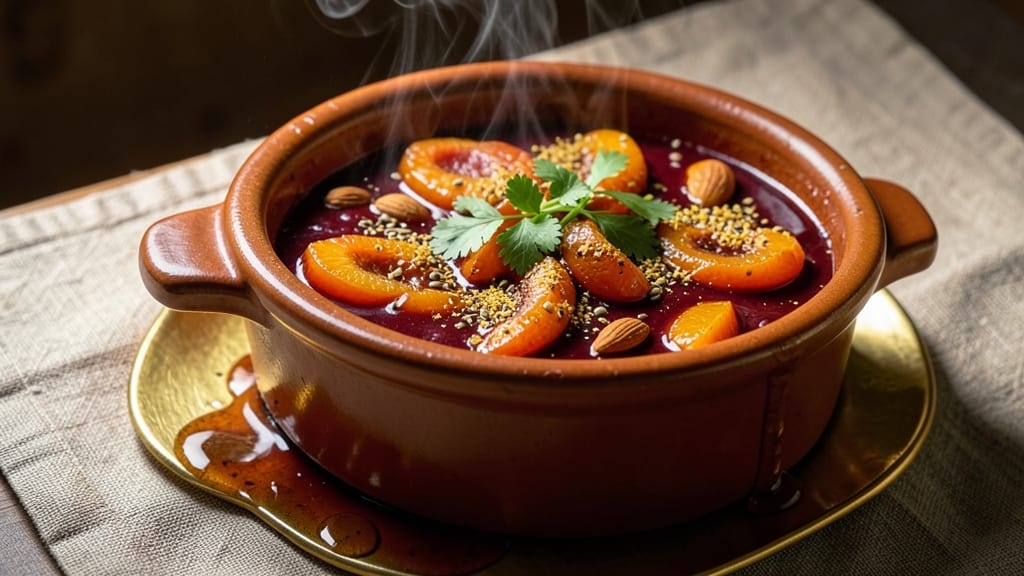
This apricot coriander tagine sauce transforms ordinary dishes into Moroccan-inspired masterpieces with just 30 minutes of work. The sauce blends sweet dried apricots, earthy coriander, and warm spices like cumin and cinnamon into a rich, aromatic liquid that coats proteins and grains beautifully.
What makes this recipe special is how it balances sweetness with savory depth—perfect for elevating grilled chicken, lamb, or even couscous bowls.
The foundation of this sauce lies in its spice blend and slow simmer, which develops layers of flavor as the dried apricots rehydrate and release their natural sweetness.
A touch of honey or sugar enhances the caramelized notes, while fresh coriander leaves added at the end brighten the sauce with a fresh herbal finish. The result is a versatile condiment that works as a marinade, drizzle, or even a glaze for roasted vegetables.
Once prepared, this sauce keeps well in the refrigerator for up to 5 days or can be frozen for 3 months, making it ideal for meal prep. Its rich, slightly sticky texture clings to meats and grains, infusing every bite with Moroccan warmth.
Whether you're serving it over couscous, pairing it with grilled fish, or using it as a dip for flatbread, this sauce delivers restaurant-quality flavor without the fuss.
For extra depth, toast the coriander seeds and spices in a dry pan before adding them to the sauce—this step unlocks their aromatic potential. If you prefer a smoother texture, blend the sauce briefly before serving. The possibilities are endless, but the result is always delicious.
Ingredients for apricot and coriander tagine sauce
Sweet dried apricots and aromatic coriander create this Moroccan-inspired sauce that elevates any dish in minutes.
| Ingredient | Amount | Notes |
|---|---|---|
| Dried Apricots 🍑 | ½ cup | Chopped into small pieces |
| Coriander Seeds 🌿 | 1 tbsp | Toasted in dry pan first |
| Ground Cumin 🌶️ | 1 tbsp | Freshly ground preferred |
| Ground Cinnamon 🌿 | ½ tbsp | Ceylon preferred for mildness |
| Turbinado Sugar 🍯 | 2 tbsp | Or honey for deeper flavor |
| Fresh Coriander Leaves 🌿 | ¼ cup | Chopped for fresh finish |
| Garlic Cloves 🧄 | 2 cloves | Minced for aromatic depth |
| Extra-Virgin Olive Oil 🫒 | ½ cup | High-quality for richness |
| Vegetable Stock 💧 | 1 ½ cups | Homemade or low-sodium |
| Lemon Juice 🍋 | 1 tbsp | Freshly squeezed |
| Salt 🧂 | ½ tsp | Diamond Crystal preferred |
| Black Pepper 🌶️ | ¼ tsp | Freshly cracked |
The dried apricots are the heart of this sauce—look for plump, moist ones in the bulk section of Whole Foods or your local Middle Eastern market. They should be free of wrinkles and uniformly colored. Toasting the coriander seeds in a dry pan before grinding unlocks their full aroma (trust me on this). For the spices, Penzeys Spices has excellent quality, but the regular grocery store brands work fine if they're fresh. If you can't find turbinado sugar, brown sugar or honey will give a similar depth, just adjust the amount slightly if using honey.
No fresh coriander leaves? Dried coriander at half the amount works in a pinch, though it won't have that bright finish. Running low on vegetable stock? Water plus a bouillon cube gets you close, but the umami depth will be less pronounced. The garlic can be roasted for a sweeter flavor—wrap whole cloves in foil, roast at 400°F for 20 minutes, then peel. If you prefer a smoother sauce, blend it briefly after simmering. For extra richness, stir in 1 tablespoon of tahini at the end (it blends beautifully with the apricot sweetness).
This sauce keeps beautifully in an airtight container in the fridge for 5 days, though it actually tastes better the second day as flavors meld. For longer storage, freeze in ice cube trays—perfect for single portions. The sauce thickens as it cools, so add a splash of water or stock when reheating. I always make a double batch—one for immediate use, one to freeze for future couscous nights or grilled chicken dinners.
Why You'll Love This Recipe
- One-Pot Magic: I swear by this recipe when I’m too tired to wash extra dishes—just dried apricots, coriander seeds, and a pinch of spices simmer into something rich. The sauce thickens right in the pot, leaving me with one bowl to clean and zero stress.
- Sweet-Savory Balance: That first bite of caramelized apricots with the earthy kick of coriander? It’s the kind of flavor that makes you pause mid-spoonful. The turbinado sugar adds just enough crunch, while the cinnamon and cumin warm it up like a hug.
- Meal Prep MVP: I make double batches on Sundays because this sauce keeps for days in the fridge—pairs perfectly with grilled chicken, rice, or even toasted bread. Honestly, it’s my lazy night’s best friend when I don’t want to cook but still crave something special.
- Budget Bright Spot: Dried apricots and whole spices are cheap, but they taste like a fancy restaurant dish. Between us, this sauce costs me pennies per serving and still feels like a treat. Plus, the leftovers? Even better the next day.
Step-by-step instructions for apricot coriander tagine sauce
This vibrant Moroccan sauce delivers balanced sweetness and aromatic depth in just 30 minutes.
Toast the Spices for Maximum Flavor
Heat a small dry skillet over medium heat and add the 1 tablespoon coriander seeds. Toast them for 2-3 minutes, stirring constantly, until they release their nutty aroma and turn a rich golden color. Immediately transfer them to a spice grinder or mortar and pound until finely ground—this releases their essential oils for deeper flavor.
In the same skillet, add the 0.5 cup extra-virgin olive oil and warm over low heat for 1 minute. Remove from heat and stir in the 1 tablespoon ground cumin and 0.5 tablespoon ground cinnamon. Let the mixture steep for 5 minutes while you prepare the remaining ingredients—this infuses the oil with warm spice notes that form the sauce's aromatic base.
Build the Sweet-Spiced Base
In a medium saucepan, combine the spiced olive oil with the 2 cloves minced garlic and cook over medium heat for 1 minute until fragrant but not browned. Add the 0.5 cup chopped dried apricots and 2 tablespoons turbinado sugar, stirring to coat the fruit. Cook for 2 minutes until the sugar begins to caramelize slightly at the edges—this creates a subtle crunch that contrasts beautifully with the silky sauce.
Pour in the 1.5 cups vegetable stock and bring to a gentle simmer. Reduce heat to low and let it cook uncovered for 8-10 minutes until the liquid reduces by about one-third and the apricots soften. This reduction concentrates the flavors while maintaining the sauce's natural sweetness without turning it syrupy.
Finish with Bright Acid and Herbs
Stir in the 1 tablespoon freshly squeezed lemon juice, 0.5 teaspoon salt, and 0.25 teaspoon freshly cracked black pepper. Taste and adjust seasoning—you should detect the warm spices, fruity sweetness, and bright acidity in perfect balance. For extra depth, add 1 tablespoon of the reserved cooking liquid if the sauce seems too thick.
Remove from heat and fold in the 0.25 cup chopped fresh coriander leaves. Let the sauce steep for 5 minutes off the heat to allow the herbs to infuse. The vibrant green leaves will brighten the sauce's color and add a fresh, citrusy finish that cuts through the richness of the spices and fruit.
Serve Warm Over Your Favorite Dishes
This versatile sauce pairs beautifully with grilled meats, roasted vegetables, or even as a dipping sauce for flatbread. For best results, serve it warm—its aromatic complexity develops fully when enjoyed immediately. If making ahead, store in an airtight container in the refrigerator for up to 3 days or freeze for 3 months. Reheat gently over low heat, stirring occasionally, and add a splash of water if needed to restore the desired consistency.
The key to this sauce's success lies in the balance of techniques: toasting the spices, reducing the stock slowly, and finishing with fresh herbs. Each step builds on the previous one to create a sauce that's both comforting and sophisticated—perfect for transporting your diners to the bustling spice markets of Marrakech.
Pro Tips For Making Apricot And Coriander Tagine Sauce
- TOAST THE SPICES FIRST: Heat your cumin and cinnamon in a dry pan for 30 seconds until fragrant—this cuts through the bitterness and deepens the flavor. I used to skip this, and the sauce always tasted flat until I realized how much difference a quick toast makes.
- SOAK DRY APRICOTS IN TEA: Plunge dried apricots in hot black tea (like Earl Grey) for 10 minutes before using—it softens them faster than water and adds subtle floral notes. My grandmother did this, and the sauce has a smoother texture every time.
- WATCH THE SUGAR CARAMEL: Once the turbinado sugar melts, stir constantly for 1-2 minutes until it turns a deep amber—don’t walk away. I learned this the hard way when I burned the sauce twice in a row, and now I keep the pan on medium-low after adding sugar.
- GRIND CORIANDER SEEDS FRESH: Toast and grind whole coriander seeds just before adding them to the sauce—store-bought powder loses its brightness. Sounds like extra work, but the fresh, citrusy kick makes a real difference, especially when paired with the sweetness of the apricots.
Perfect pairings for these flavors
Moroccan Main Dishes
This sauce transforms simple grilled chicken into a restaurant-worthy tagine-style dish. Marinate chicken thighs in half the sauce for 2 hours before grilling, then drizzle the remaining sauce over the cooked meat. The apricot sweetness caramelizes beautifully on the grill, creating a sticky, flavorful crust. 🍗
For lamb, use the sauce as a glaze after roasting. Brush it onto 8-ounce lamb chops during the last 10 minutes of cooking at 400°F—the high heat intensifies the caramelized notes. Pair with Moroccan-style couscous for a complete meal.
Grain Bowls
Elevate your couscous bowls by mixing ½ cup warm couscous with ¼ cup sauce per serving. The sauce's natural stickiness clings to each grain, infusing every bite with Moroccan warmth. Add toasted almonds and pomegranate seeds for texture and color contrast.
For quinoa or farro bowls, use the sauce as a dressing. Toss 1.5 cups cooked grains with 3 tablespoons sauce, then top with grilled vegetables and feta cheese. The sauce's bright acidity balances the earthy grains perfectly.
Vegetable Sides
Roasted root vegetables become irresistible when glazed with this sauce. Toss carrots, sweet potatoes, and beets with 1 tablespoon olive oil, roast at 400°F for 25 minutes, then drizzle with sauce during the last 5 minutes. The sweetness enhances the natural sugars in the vegetables.
For grilled eggplant or zucchini, brush with sauce before grilling. The caramelized edges create a delicious contrast with the sauce's silky texture. Serve with warm pita bread for dipping.
Bread Dipping
Warm fresh flatbread or crusty sourdough, then drizzle generously with sauce. The combination of warm spices and sweet apricots makes this an irresistible appetizer. For extra flair, sprinkle with crushed pistachios or toasted sesame seeds.
For a Moroccan-inspired bruschetta, toast baguette slices, rub with garlic, and top with sauce. Add crumbled feta cheese and fresh mint leaves for a refreshing twist on traditional bruschetta.
Breakfast Twist
Add this sauce to Moroccan-style scrambled eggs for a flavorful breakfast. Cook eggs with 1 tablespoon butter, then stir in 2 tablespoons sauce per serving. Top with crumbled feta and fresh coriander for a savory-sweet morning dish.
Use it as a pancake or waffle topping for brunch. Warm pancakes, drizzle with sauce, and add a sprinkle of cinnamon and toasted nuts for a gourmet touch. The sweet-spiced sauce pairs surprisingly well with buttery breakfast foods. 🥞
Nutrition facts
Frequently asked questions
Can I substitute fresh apricots for dried in this sauce?
Fresh apricots won't work the same way—they lack the concentrated sweetness and texture of dried ones. For a similar effect, blend 1 cup fresh apricots with 1 tablespoon honey and strain to create a purée, then use ¼ cup of the reduced purée in place of the dried apricots. The sauce will be fruitier but less intensely spiced.
How can I adjust the sweetness level?
The sauce balances sweetness with spices and acidity. If you prefer it sweeter, add 1 extra teaspoon of honey or sugar during the simmering step. For less sweetness, reduce the sugar by ½ teaspoon and increase the lemon juice by ½ teaspoon to enhance brightness. Taste as you go—this sauce is all about personal preference!
Can I make this sauce without fresh coriander leaves?
While fresh coriander adds vibrant color and brightness, you can substitute ½ teaspoon dried coriander or 1 teaspoon fresh parsley for a similar herbal note. For extra depth, add a pinch of cardamom (¼ teaspoon) to complement the warm spices. The sauce will still taste delicious—just slightly less fresh and green.
Why did my sauce turn out too thick?
Sauce thickness often happens from over-reducing or using too much sugar. Thin it with 1-2 tablespoons warm water or stock while reheating. For future batches, monitor the reduction closely—remove from heat when the stock reduces by about one-third (around 8-10 minutes). If using honey instead of sugar, it may thicken faster due to its natural stickiness.
How can I use this sauce in vegetarian dishes?
This sauce shines with roasted eggplant, grilled halloumi, or spiced lentils. Drizzle it over Moroccan-style stuffed peppers or use it as a marinade for tofu or tempeh before baking. For a complete meal, mix ½ cup sauce with 1 cup cooked chickpeas and serve over couscous with toasted nuts for crunch.