
Sauces & Condiments
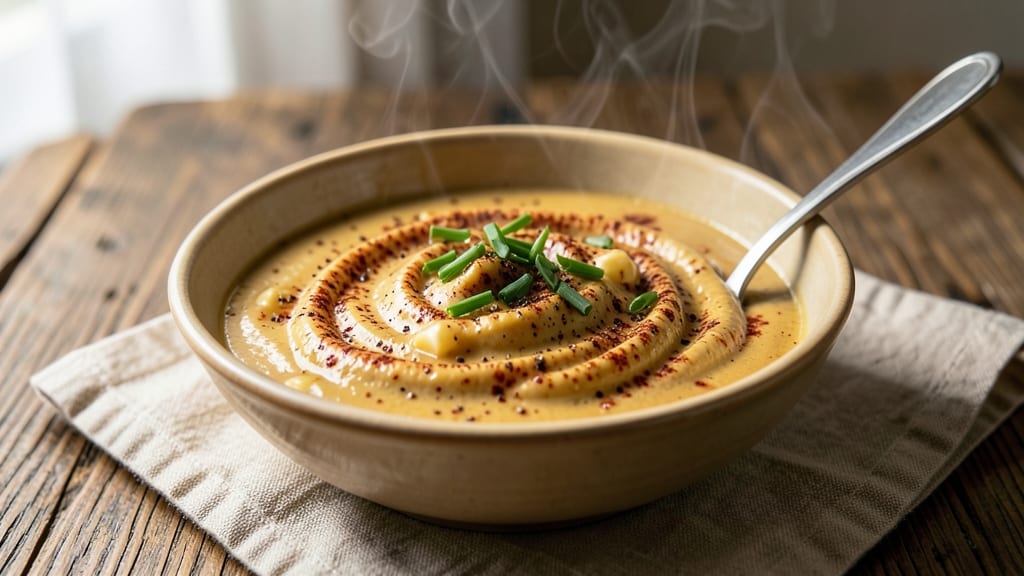
This Applebee's-inspired Cajun Alfredo sauce delivers that signature smoky chipotle heat and velvety richness—without the restaurant wait. The secret lies in a slow-cooked roux infused with Cajun seasoning, creating a sauce that clings perfectly to pasta while balancing spice and creaminess.
I developed this version after craving that familiar warmth at home, and it’s become my go-to for elevating weeknight dinners.
The foundation starts with a rich roux—equal parts butter and flour cooked until nutty brown—before whisking in heavy cream and Cajun seasoning for depth. Garlic and chipotle powder add layers of smoky heat, while a touch of cream cheese ensures that signature creamy texture.
This isn’t just a copycat; it’s a refined, foolproof method that works for pasta, chicken, or even as a dipping sauce.
What sets this sauce apart is its balance: the Cajun seasoning delivers a subtle kick without overpowering, while the cream and cheese create a luxurious, restaurant-quality finish. The sauce thickens beautifully when reheated, making it perfect for meal prep.
Store it in the fridge for up to 5 days or freeze for months—just thaw and stir.
Pair it with fettuccine for a classic Cajun Alfredo night, drizzle over grilled chicken, or use it as a bold marinade. The possibilities are endless, but the result is always that same satisfying, smoky-spicy-creamy harmony you love. Let’s make it.
Ingredients for applebee's cajun alfredo sauce
Nine ingredients transform into that iconic smoky-spicy-creamy Cajun Alfredo sauce—no restaurant wait required.
| Ingredient | Amount | Notes |
|---|---|---|
| Unsalted Butter 🧈 | ½ cup | Cold, cut into tablespoon-sized pieces |
| All-Purpose Flour 🌾 | ½ cup | White or whole wheat blend |
| Heavy Cream 🥛 | 1 ½ cups | Full-fat for maximum richness |
| Cajun Seasoning 🌶️ | 2 tbsp | High-quality blend (Tony Chachere's preferred) |
| Chipotle Powder 🌶️ | 1 ½ tsp | For smoky depth (substitute smoked paprika) |
| Garlic Cloves 🧄 | 3 cloves | Minced, fresh preferred |
| Cream Cheese 🧀 | 4 oz | Full-fat block, softened |
| Extra-Virgin Olive Oil 🫒 | 1 tbsp | For finishing, fruity variety |
| Diamond Crystal Kosher Salt 🧂 | ½ tsp | Adjusts seasoning perfectly |
| Freshly Ground Black Pepper 🌶️ | ¼ tsp | Freshly cracked for brightness |
The butter and flour form the roux—this isn't the time to skimp. European-style butter like Plugrá or Land O’Lakes has higher fat content, which gives that signature richness. For flour, King Arthur or Bob's Red Mill work best—they cook evenly without clumping. If you're making a big batch, use a heavy-bottomed saucepan; thin pans burn roux faster than you can whisk. The Cajun seasoning matters too—Tony Chachere's has the perfect balance of heat and smokiness, but McCormick's works in a pinch. Just don't use the pre-mixed stuff from the spice aisle; those blends are often watered down.
No chipotle powder? Smoked paprika at double the amount gets you close, though you'll lose some of that deep smokiness. Heavy cream substitutes? Half-and-half with a splash of whole milk works, but the sauce will be slightly lighter. Cream cheese options? Philadelphia brand melts smoothest, but any full-fat block will do—just cut it into small cubes first. The garlic can be roasted (microwave 30 seconds with a splash of water) for a sweeter, deeper flavor. Want to make this ahead? Whisk the roux and set it aside, then finish with the cream and cheese when ready—it reheats beautifully. For extra richness, stir in 1 tablespoon of sour cream at the end.
This sauce is a meal-prep dream. Store in an airtight container in the fridge for up to 5 days, or freeze for 3 months—just thaw in the fridge overnight and stir before using. To reheat, warm over low heat with a splash of milk or water if it thickens too much. The sauce actually improves overnight as the flavors meld. For leftovers, drizzle with extra olive oil before serving—it adds a silky finish. Portion into small jars if you're freezing; single servings thaw faster and prevent waste. And if you're serving with pasta? Toss in 1 tablespoon of pasta water at the end—it helps the sauce cling perfectly.
Why You'll Love This Recipe
- Five-Ingredient Magic: I swear by this—just butter, flour, cream, and two spices. No fancy prep, no measuring headaches. The Cajun seasoning and chipotle powder do all the heavy lifting while I stir.
- Smoky Creamy Heat: That first spoonful? Rich, velvety, with a slow-building kick from the spices. It’s like Applebee’s brought home—creamy enough to coat your pasta perfectly, but with enough smoldering depth to wake up your taste buds.
- Leftovers That Beg for Seconds: Make a double batch and freeze half. When you’re craving comfort food later, just reheat with a splash of milk—it’s smoother than takeout and costs a fraction. My freezer’s full of this stuff because it’s that good.
- Pasta Party in Minutes: Dump the sauce on fettuccine, toss with grilled chicken or shrimp, and boom—dinner’s ready. It’s my go-to for lazy nights or when friends drop by unannounced. No one suspects how little effort went into it.
Step-by-step instructions for Applebee's Cajun Alfredo sauce
Here's how to recreate that signature smoky, spicy Alfredo at home—rich, velvety, and packed with kick.
Create the Roux Base
In a heavy-bottomed saucepan, melt the 0.5 cup unsalted butter over medium-low heat. Once fully melted and foaming subsides, add the 0.5 cup all-purpose flour all at once. Stir constantly with a wooden spoon for 2-3 minutes until the mixture turns a deep, golden brown color—this is your roux. You're looking for a nutty aroma and a texture that coats the back of a spoon without being grainy.
This slow cooking process develops deep flavor and removes any raw flour taste. If it starts to darken too quickly, reduce the heat slightly. The roux is the foundation of your sauce, so don't rush this step—it makes all the difference in the final texture and richness.
Infuse with Spices and Aromatics
Immediately after the roux forms, whisk in the 2 tbsp Cajun seasoning and 1.5 tsp chipotle powder, stirring constantly for 30 seconds until fully incorporated. Add the 3 cloves minced garlic and cook for another 30 seconds until fragrant—you should smell that spicy, smoky depth developing. Be careful not to let the garlic brown or it'll turn bitter.
Here's where the magic happens: the spices bloom in the hot roux, releasing their oils and creating that signature Applebee's heat. If you smell the garlic burning, remove the pan from heat for 10 seconds to cool slightly before continuing. This step builds the sauce's complex flavor profile that makes it so addictive.
Build the Sauce with Cream and Cream Cheese
Gradually whisk in the 1.5 cups heavy cream, about ½ cup at a time, allowing each addition to incorporate completely before adding more. This slow introduction prevents curdling. Once all the cream is added, stir in the 4 oz softened cream cheese until completely melted and smooth. The sauce should be thick but still pourable at this stage.
Simmer the mixture over low heat for 5-7 minutes, stirring frequently, until it thickens to a velvety consistency that coats the back of a spoon. You want it to coat the spoon but still be smooth—not clumpy or grainy. If it thickens too quickly, whisk in 1-2 tablespoons of water to adjust the texture. The sauce should be rich but still flow like heavy cream.
Season and Finish with Olive Oil
Remove the sauce from heat and stir in the 0.5 tsp Diamond Crystal kosher salt and 0.25 tsp freshly ground black pepper. Taste and adjust seasoning—you might need a bit more salt to balance the spicy elements. Let the sauce sit off the heat for 2-3 minutes to allow the flavors to meld together completely.
Just before serving, drizzle in the 1 tbsp extra-virgin olive oil and stir gently. This final touch adds brightness and helps create that signature sheen. The olive oil also prevents the sauce from becoming too heavy on pasta. For best results, serve immediately over your favorite pasta or as a dipping sauce for chicken tenders.
Pro Tips For Making Applebee'S Cajun Alfredo Sauce
- Whisk Like You Mean It: The Cajun heat in this sauce needs to stir into the cream, not just float on top. After adding the heavy cream, turn the heat to medium-low and whisk constantly for 3-4 minutes—don’t let lumps form, or you’re fighting a losing battle later. I used to rush this, and the sauce always ended up grainy. (Yes, even if you’re impatient like me.)
- Toast the Flour Right: Cook the butter and flour together on medium heat for 2-3 minutes until the mixture turns a golden brown—this isn’t just about flavor, it’s about removing that raw flour taste. Skip this, and your sauce will taste like you’re eating glue. (Your future self will thank you.)
- Season the Cream First: Before adding the heavy cream, sprinkle in half the Cajun seasoning and chipotle powder directly into the pot. This lets the spices bloom and infuse the cream while it heats, rather than just sitting at the bottom. I learned this the hard way—adding spices at the end means they’re just dust on top.
- Finish with a Splash of Water: If your sauce thickens too much before you’re done, don’t panic. Thin it out with 1-2 tablespoons of warm water while whisking—it’ll smooth out instantly. I was skeptical until I tried it, but now I keep a small cup of hot water nearby for any Alfredo-style sauce. (No one wants a gluey mess.)
Essential equipment for great applebee's cajun alfredo sauce
Heavy-Bottomed Saucepan
This is your most critical tool for making Cajun Alfredo sauce. I use a 3-quart enameled cast iron saucepan like the Le Creuset Signature—it distributes heat evenly and handles the roux cooking without burning.
If you don't have cast iron, a stainless steel saucepan with copper or aluminum core (like All-Clad) works beautifully. Avoid thin aluminum pans—they heat unevenly and can scorch your roux before it properly develops flavor. 🔥
Wooden Spoon or Whisk
A wooden spoon (like the OXO Good Grips) is essential for stirring the roux—it won’t scratch your pan and helps prevent lumps. For the cream stage, switch to a balloon whisk (I love the Cuisinart Chef’s Classic) to incorporate air and create that signature silky texture.
A whisk also helps prevent clumping when adding the cream cheese. Pro tip: Keep your whisk clean—sticky residue can ruin your sauce.
Immersion Blender (Optional)
If you prefer your sauce completely smooth (no lumps), an immersion blender like the Ninja Foodi is a game-changer. After adding the cream and cream cheese, blend directly in the pan for 10-15 seconds to achieve a velvety consistency.
This step is especially helpful if you're using whole wheat flour or if you accidentally let the roux get too dark. It’s not required, but it elevates the sauce to restaurant-quality perfection. 💫
Fine-Mesh Strainer
For an ultra-smooth sauce, strain it through a fine-mesh strainer (like the OXO Good Grips) lined with a cheesecloth or paper coffee filter before serving. This removes any flour grit or cream cheese lumps, giving you that silky texture Applebee’s is known for.
I only do this for special occasions, but it’s worth the effort if you’re serving guests. Store the strainer in your pantry—it’s a versatile tool for sauces, soups, and even homemade nut butters.
Measuring Spoons & Scale
Precision matters with this sauce. Use stainless steel measuring spoons (like OXO’s) for accurate measurements of your Cajun seasoning and chipotle powder. For the butter and cream cheese, a digital kitchen scale (I use the Escali Primo) ensures consistency—especially important if you’re scaling the recipe up or down.
The difference between 4 oz and 5 oz of cream cheese can make your sauce too thin or too thick. 📏
Nutrition facts
Frequently asked questions
Can I make this sauce without cream cheese?
The cream cheese gives that signature rich, velvety texture—but you can substitute with ½ cup additional heavy cream or 4 oz cream-style cottage cheese for a lighter version. Just simmer the sauce 2 extra minutes to thicken properly. The flavor will be slightly tangier, but still delicious!
How do I adjust the heat level?
This recipe balances smoky heat perfectly, but you can tweak it: reduce Cajun seasoning by ½ tsp for milder flavor or add ¼ tsp cayenne pepper for extra kick. For a sweeter heat, replace ½ tsp chipotle powder with ½ tsp smoked paprika + ¼ tsp cinnamon. Always taste as you go!
Why did my sauce get lumpy?
Lumps usually happen when adding cream too quickly or stirring too aggressively. Fix it by blending with an immersion blender for 10 seconds or whisking vigorously while adding 1 tbsp water at a time until smooth. For next time, add cream gradually and keep heat low during this step.
Can I use this sauce on non-pasta dishes?
This versatile sauce works perfectly as a dip for chicken tenders, a glaze for grilled shrimp, or even a creamy topping for baked potatoes. For meats, reduce the sauce slightly first to achieve a thicker consistency. The smoky-spicy profile pairs beautifully with proteins!
How long will leftovers keep?
Store in an airtight container in the fridge for up to 5 days or freeze for 3 months. Thaw overnight in the fridge—never at room temperature—and stir before reheating. If it thickens too much, whisk in 1 tbsp milk or water to restore smoothness. The flavors actually improve after resting!