
Sauces & Condiments
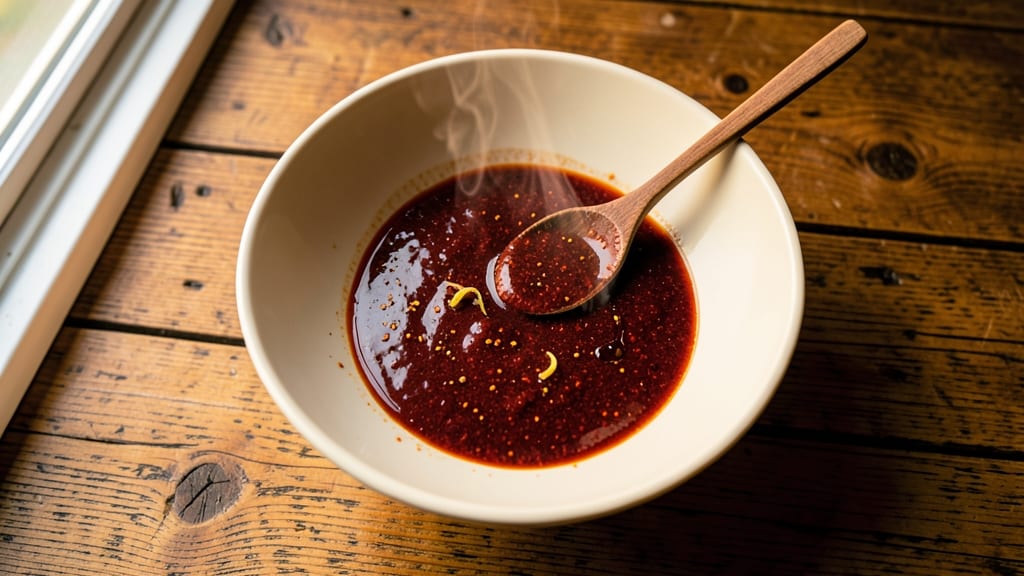
Applebee's Asian chili sauce delivers that perfect sweet-spicy balance we all crave. 🔥 The secret lies in a simple simmer of chili flakes, vinegar, sugar, and aromatic garlic-ginger paste that creates a sauce with depth and complexity. This homemade version captures the restaurant's signature tangy heat without the mystery ingredients.
What makes this sauce special is its versatility—it's perfect for dipping spring rolls, tossing with stir-fried noodles, or even glazing grilled wings. The blend of sweet and spicy flavors creates an addictive swirl that enhances any dish.
Unlike store-bought versions, this recipe delivers authentic flavor with just a few pantry staples. The process is straightforward: combine ingredients in a saucepan, simmer until thickened, then blend for a silky texture.
What you'll end up with is a vibrant red sauce that's both bold and balanced—sweet enough to satisfy cravings but with enough heat to linger. It keeps well in the refrigerator for up to two weeks, making it perfect for meal prep.
Whether you're serving Asian-inspired dishes or looking to elevate everyday meals, this chili sauce transforms simple ingredients into something extraordinary. Ready to make it?
Ingredients for applebees asian chili sauce
Eight simple ingredients create the addictive sweet-spicy sauce you crave from Applebee's.
| Ingredient | Amount | Notes |
|---|---|---|
| Cayenne Pepper 🔥 | 1 ½ tbsp | Adjust for desired heat level |
| Red Wine Vinegar 🍷 | ½ cup | Substitute apple cider vinegar if needed |
| Granulated Sugar 🍚 | ½ cup | Brown sugar adds depth (optional) |
| Garlic-Ginger Paste 🧄 | ¼ cup | Freshly made or store-bought |
| Water 💧 | 1 cup | Or vegetable broth for extra flavor |
| Soy Sauce 🍶 | 2 tbsp | Light soy preferred for balance |
| Sesame Oil 🫒 | 1 tbsp | Toasted for nutty aroma |
| Cornstarch 🌾 | 1 tbsp | For thickening the sauce |
The cayenne pepper is your heat control—start with 1.5 tbsp but taste and add more if you love spice. Penzeys or bulk bins have the freshest cayenne, but any brand works. The garlic-ginger paste is where the magic happens—make your own by blending 4 garlic cloves, 1 tbsp ginger, and 1 tbsp water. It’s worth the 30 seconds if you’re making this often. For the vinegar, red wine vinegar gives that tangy depth, but apple cider works in a pinch. If you’re feeling fancy, grab a bottle of Trader Joe’s organic garlic-ginger paste—it’s a game-changer.
No cayenne? Red pepper flakes at half the amount work, but you’ll lose some of that smoky kick. Swap soy sauce for coconut aminos if you’re avoiding gluten. The sesame oil is non-negotiable—it adds that nutty aroma that makes this sauce sing. Toast it first by heating in a dry pan for 30 seconds to bring out its flavor. No sesame oil? Avocado oil at half the amount is a decent stand-in, but it won’t taste identical. The cornstarch is just for thickening—don’t skip it if you want that perfect dipping consistency.
This sauce keeps for 2 weeks in the fridge if you store it in an airtight jar. The flavor actually improves after the first day as everything melds together. Freeze in ice cube trays for single-use portions—just thaw and stir. Double the batch if you’re planning to use it often; it disappears fast. The sauce thickens as it cools, so add a splash of water if it gets too stiff. Trust me, you’ll want to make this weekly.
Why You'll Love This Recipe
- Five-Ingredient Magic: I swear, this sauce is the kind of recipe that makes me feel like a genius—just toss those five things in a pot, stir, and boom. No chopping, no measuring cups, no stress. The garlic-ginger paste does all the work for you, and honestly? That’s my kind of shortcut.
- Spicy-Sweet Balance: That cayenne and sugar combo? It’s the kind of flavor that lingers in your mind long after the last bite. The red wine vinegar cuts through the heat just enough to make it addictive—not too sharp, not too sweet, but just right. (Yes, even on a Tuesday night.)
- Sauce for Everything: Between us, this stuff elevates everything—drizzled over noodles, slathered on grilled chicken, or even mixed into scrambled eggs. I keep a jar in my fridge because I’m always reaching for it. It’s my secret weapon for turning simple meals into something special.
- Lasts All Week: One batch makes enough to save me from takeout for days. The vinegar and sugar help it keep beautifully, so I can toss it into stir-fries, marinades, or even as a glaze for roasted veggies. Plus, it’s so cheap to make—I’d rather spend $2 on ingredients than $10 on a bottle of store-bought sauce that’s half the flavor.
Step-by-step instructions for Applebee's Asian chili sauce
Here's how to recreate that iconic sweet-spicy sauce at home—bold, balanced, and ready to transform your wings or dipping dishes.
🍳 Step 1: Build the Sweet-Spicy Base
In a medium saucepan, combine the 0.5 cup granulated sugar and 1.5 tbsp cayenne pepper over medium heat. Stir constantly for 2-3 minutes until the sugar dissolves completely and the mixture turns a deep amber color. You'll smell that signature sweet-spicy aroma—this is where the magic begins.
Here's the thing—don't walk away. The sugar needs to caramelize just enough to develop those complex flavors without burning. You're looking for a smooth, syrupy consistency that coats the back of a spoon. If it starts to darken too quickly, reduce the heat slightly to medium-low and keep stirring.
🍳 Step 2: Add Aromatics and Vinegar
Pour in the 0.5 cup red wine vinegar and 0.25 cup garlic-ginger paste, stirring vigorously to incorporate. The mixture will bubble vigorously—this is normal. Let it simmer for 3-4 minutes until the vinegar smell mellows out and the aromatics become fragrant.
Next, add the 1 cup water and 2 tbsp soy sauce. Stir well and continue simmering for another 2 minutes. You'll notice the sauce starts to take on a glossy sheen and the flavors begin to meld together. This is when the sauce transforms from individual ingredients to something cohesive and complex. The soy sauce adds that umami depth that balances the sweetness and heat.
🍳 Step 3: Incorporate the Oil and Thicken
Remove the pan from heat and stir in the 1 tbsp sesame oil. The oil will create a beautiful marbled effect in the sauce and add that nutty aroma that's so characteristic of authentic Asian sauces. Return the pan to medium heat and let the mixture warm through for 1 minute—just enough to integrate the oil completely.
In a small bowl, whisk the 1 tbsp cornstarch with 2 tablespoons of the sauce until smooth. This slurry is your secret weapon for achieving that perfect, glossy consistency. Slowly pour it back into the saucepan while stirring constantly. The sauce will thicken dramatically within 1-2 minutes—you're aiming for a texture that coats the back of a spoon but still flows smoothly.
⏰ Step 4: Simmer and Test for Perfection
Continue simmering for another 2-3 minutes until the sauce reaches your desired consistency. It should be thick enough to cling to wings or noodles but still have a glossy sheen. Taste and adjust the balance—add a pinch more cayenne pepper if you want more heat, or a splash of vinegar if it needs more tang.
Real talk: This sauce is all about balance. You want the sweetness to sing, the heat to linger, and the umami to tie it all together. The perfect batch should make your taste buds dance with each bite—first the sweet caramel, then the gentle heat, and finally that savory finish. Let it cool slightly before serving, as the sauce will thicken further as it rests.
Pro Tips For Making Applebees Asian Chili Sauce
- Bloom the Cayenne First: Toss the cayenne into the hot pan before adding vinegar—this softens the heat and deepens the flavor instead of letting it cling like a bitter afterthought. I learned this the hard way after making sauce that tasted like a mouthwash commercial.
- Toast the Garlic-Ginger Paste: Fry the paste in oil for 30 seconds until it smells fragrant, not burnt—this unlocks its aroma and prevents a raw, medicinal taste. Skip this, and you’ll wonder why your sauce lacks depth.
- Control the Vinegar Heat: Add the red wine vinegar slowly while stirring—dumping it all at once can make the sauce taste harsh and undercooked. Think of it like seasoning: balance is everything.
- Simmer Until Thick: Let the sauce reduce for at least 5 minutes after everything’s combined—this isn’t just about evaporation, it’s about letting the sugar and vinegar marry into a glossy, cohesive sauce. Rushing it leaves you with something watery.
Pro cooking tips for applebees asian chili sauce
Heat Control Mastery
Cayenne pepper is your heat dial—start with 1.5 tbsp but taste as you go. For milder heat, swap ½ tsp red pepper flakes for each ¼ tsp cayenne, but you’ll lose that smoky depth.
I like to toast the cayenne in a dry pan for 30 seconds before adding to the sauce—this deepens the flavor profile significantly. 🌶️
Caramelization Secrets
Never rush the sugar stage! Stir constantly over medium heat until the mixture turns amber (about 2-3 minutes). If it darkens too quickly, reduce to medium-low—burnt sugar tastes bitter.
The goal is a smooth, syrupy consistency that coats the back of a spoon. Pro tip: Use a heavy-bottomed saucepan to prevent scorching.
Vinegar Integration
When adding ½ cup red wine vinegar, expect vigorous bubbling—this is normal. Let it simmer for 3-4 minutes until the sharp vinegar smell mellows. For extra tang, add 1 tsp more vinegar at the end.
Apple cider vinegar works in a pinch, but red wine vinegar’s acidity creates that signature balance.
Thickening Like a Pro
The cornstarch slurry is your thickening secret weapon. Whisk 1 tbsp cornstarch with 2 tbsp sauce until smooth, then temper by slowly pouring it back into the pan.
Stir constantly as it thickens—1-2 minutes is all you need. If the sauce gets too thick, thin with 1 tsp water at a time.
Sesame Oil Toasting
Toast your 1 tbsp sesame oil in a dry pan for 30 seconds until fragrant before adding to the sauce. This step unlocks its nutty aroma and prevents a raw, bitter taste.
No sesame oil? Use ½ tbsp avocado oil, but it won’t replicate the authentic flavor. The oil should be warm (not hot) when added to the sauce.
Flavor Balancing
Taste your sauce at the end and adjust: more cayenne for heat, more vinegar for tang, or more sugar for sweetness. The perfect batch should have all four flavors—sweet, spicy, tangy, and umami—harmonizing in each bite.
Let it cool for 10 minutes before serving; it thickens as it rests. 💫
Nutrition facts
Frequently asked questions
Can I make this sauce without sesame oil?
Yes, but the flavor will differ slightly. Use ½ tbsp avocado oil instead, but toast it first for 30 seconds to mimic sesame oil's nutty aroma. For a closer match, try ½ tbsp toasted peanut oil—it adds a similar depth. Just know the sauce won't have that signature Asian umami kick without sesame oil.
How spicy should this sauce be?
The recipe starts with 1.5 tbsp cayenne for a medium heat level—think "lingering warmth" rather than "stop-the-traffic" spice. For milder heat, reduce to 1 tbsp cayenne or swap ½ tsp red pepper flakes for each ¼ tsp cayenne. Remember, flavors meld as it cools, so taste early and adjust before thickening.
Can I use this sauce on non-Asian dishes?
This versatile sauce elevates everything from grilled burgers to roasted potatoes. Drizzle it over tacos, mix into marinades for chicken, or use as a glaze for baked salmon. The sweet-spicy balance works surprisingly well with Mexican, American, and even Western European flavors. Think of it as your secret weapon for adding depth to any dish.
Why did my sauce turn out too thick?
This usually happens when the cornstarch slurry thickens too quickly. Thin it with 1 tsp water at a time while stirring constantly. If it's already too thick, whisk in 1 tsp warm water directly to the saucepan and simmer for 1 more minute. For future batches, reduce the cornstarch to ½ tbsp if you prefer a thinner consistency.
How can I make this sauce gluten-free?
Swap the 2 tbsp soy sauce for 2 tbsp coconut aminos—it provides the same umami punch without gluten. For extra depth, add 1 tsp fish sauce (ensure it's gluten-free) or 1 tsp tamari if you can tolerate trace amounts. The rest of the recipe remains unchanged, and the flavor will still be rich and balanced.