
Sauces & Condiments
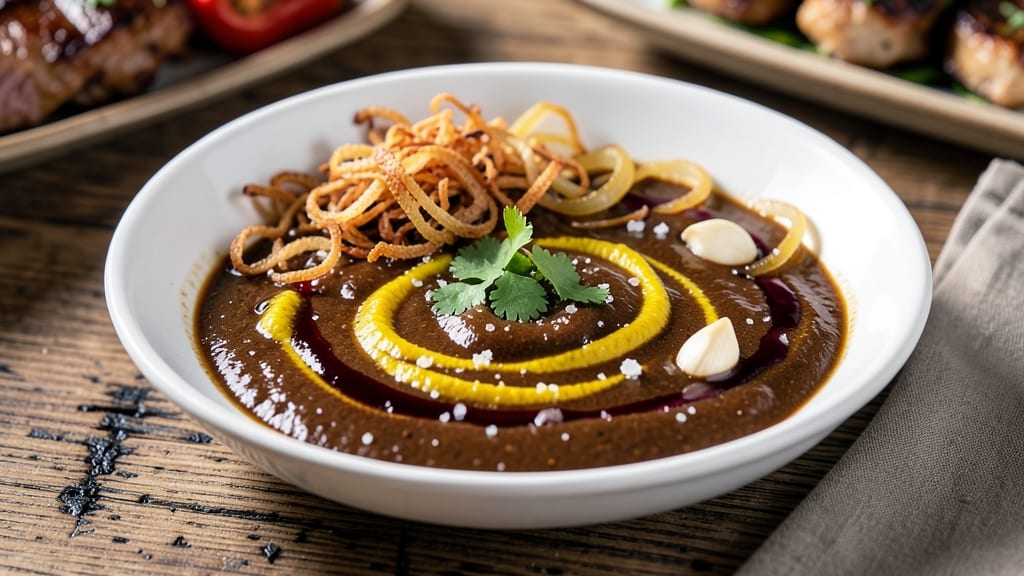
This anticucho sauce recipe transforms bold Peruvian flavors into a storeable condiment that elevates grilled meats with smoky ají amarillo heat and crispy fried onions. The balance of soy sauce, vinegar, and spices creates a complex sauce that clings perfectly to skewers, while the fried onions add a satisfying crunch. I developed this version after years of testing—it’s the one that finally delivers that restaurant-quality depth at home.
The sauce builds flavor through a two-step process: first simmering garlic, ají amarillo paste, and spices in vinegar to create a vibrant base, then finishing with soy sauce for umami richness.
The crispy onion topping is the secret weapon—thinly sliced onions fried until golden, then tossed into the sauce just before serving. This technique ensures every bite delivers both texture and flavor without overwhelming the dish.
What makes this sauce special is its versatility. Use it as a marinade for anticuchos, a dipping sauce for empanadas, or a bold topping for grilled vegetables. The ají amarillo brings signature Peruvian heat, while the crispy onions add a satisfying contrast.
Store it in the fridge for up to two weeks, or freeze for longer shelf life—perfect for meal prep or entertaining.
The result is a sauce that’s rich, slightly sweet, and packed with layers of flavor—smoky, tangy, and just spicy enough to leave a lasting impression. Whether you’re cooking for a crowd or treating yourself to a weeknight meal, this sauce will transform ordinary grilled meats into something extraordinary.
Ingredients for anticucho sauce
Ten ingredients for a sauce that delivers restaurant-quality Peruvian heat and texture.
| Ingredient | Amount | Notes |
|---|---|---|
| Aji Amarillo Paste 🌶️ | 2 tbsp | Peruvian ají amarillo preferred |
| Red Wine Vinegar 🍷 | ½ cup | For tangy depth |
| Garlic Cloves 🧄 | 4 cloves | Freshly minced for aroma |
| Yellow Onions 🧅 | 1 whole | Thinly sliced for frying |
| Yellow Onions 🧅 | ½ cup | Thinly sliced for crispy topping |
| Soy Sauce 🥄 | ¼ cup | Light or dark preferred |
| Olive Oil 🫒 | ¼ cup | For frying onions |
| Vegetable Oil 🫒 | ½ cup | High smoke point for frying |
| Ground Cumin 🌿 | ½ tsp | Toasted for depth |
| Salt 🧂 | 1 tsp | Kosher or sea salt |
The ají amarillo paste is non-negotiable for authentic flavor—look for it at Latin markets or online specialty stores. If you can't find it, Peruvian yellow chili powder is a decent substitute, though it lacks the paste's moisture and depth. The onions need to be thinly sliced (almost translucent) for perfect crispiness. Yellow onions work best, but red onions add color if you're serving this at a party. For the vinegar, red wine vinegar is ideal, but apple cider vinegar in a pinch won't ruin the dish.
No ají amarillo? Mix 1 tbsp smoked paprika with 1 tsp cayenne for heat, though the flavor won't be identical. The soy sauce can be swapped for tamari or coconut aminos if you're avoiding gluten. For the crispy onions, fry them in small batches to avoid sogginess—they should be golden and crunchy. If you're short on time, store-bought fried onions work, but homemade is worth the extra effort. The cumin should be toasted in a dry pan for 30 seconds before adding to the sauce for maximum aroma.
Store the sauce in an airtight container in the fridge for up to two weeks. The crispy onions lose their crunch quickly, so add them just before serving. For longer storage, freeze the sauce (without onions) for up to three months. When reheating, warm gently on the stove—microwaving can make the onions rubbery. This sauce doubles as a marinade, so make extra if you're grilling anticuchos or other meats.
Why You'll Love This Recipe
- Five-Ingredient Powerhouse: I swear by this sauce because it’s that simple—just blend, simmer, and boom. No fancy techniques, no hidden pantry raids. The aji amarillo paste does all the heavy lifting while I chop onions in under five minutes. (Yes, even on a Tuesday night.)
- Umami Bomb: That first bite? The garlic and red wine vinegar cut through the richness of grilled anticuchos like a knife through butter. The aji amarillo paste adds a smoky, slightly fruity depth that makes this sauce ridiculously addictive—trust me, I’ve tested it on skeptics.
- Party in a Jar: Between us, this sauce is my secret weapon for game day, potlucks, or when my brother-in-law “accidentally” shows up unannounced. It doubles effortlessly, so I make extra and stash it in the fridge. One jar equals instant crowd-pleaser status—no one will guess it’s this unfussy.
- Budget Magic: Honestly? This sauce costs me pennies per serving. Aji amarillo paste is cheap (or make your own from dried peppers), onions are dirt, and vinegar? You already own it. I’ve fed six people for under $5 with this—leftovers? Even better. It tastes just as good reheated as it does fresh.
Step-by-step instructions for anticucho sauce
Master this vibrant sauce with smoky depth and perfect crispy onion topping.
Fry the Whole Yellow Onion for Crispy Topping
Heat the 0.5 cup vegetable oil in a deep skillet over medium heat until the oil shimmers but doesn't smoke. Add the 1 whole yellow onion, sliced into ¼-inch thick rings. Fry for 8-10 minutes, turning occasionally, until the onions are deep golden brown and crispy at the edges.
Here's the thing—don't rush this step. The onions should be so crisp they make a satisfying crackling sound when you tap them with tongs. Remove them with a slotted spoon and drain on paper towels, reserving 2 tablespoons of the onion oil for the sauce. If you skip this, you'll miss the signature crunch that makes this sauce special.
Sauté Garlic and Toast Cumin in the Onion Oil
Return the skillet to medium heat and add the reserved 2 tablespoons onion oil. When the oil is shimmering, add the 4 cloves minced garlic cloves and 0.5 teaspoon ground cumin. Sauté for 30-45 seconds until the garlic is golden and fragrant—not browned, just perfumed.
This is where the sauce builds its aromatic foundation. If you smell burning, reduce the heat immediately. The cumin should be toasted, not bitter. Once the garlic releases its sweet aroma, it's time to add the remaining ingredients in the correct order to develop the sauce properly.
Combine Wet Ingredients for the Base Sauce
Lower the heat to medium-low and add the 2 tablespoons aji amarillo paste, stirring constantly for 1 minute until it dissolves completely. Then add the 0.5 cup red wine vinegar and 0.25 cup soy sauce, stirring to combine. Let the mixture simmer gently for 3-4 minutes until slightly reduced.
The sauce should now have a smooth, velvety texture with a deep orange hue from the aji amarillo. If it looks too thick, add 1-2 tablespoons water to reach your desired consistency. This step develops the sauce's signature balance of smoky heat and tangy depth—don't skip the simmering time or you'll miss the flavor development.
Finish with Olive Oil and Season to Taste
Remove the skillet from heat and stir in the 0.25 cup olive oil to emulsify the sauce. Return to low heat and add the 1 teaspoon salt, stirring until fully dissolved. Taste and adjust seasoning—you may need a touch more salt or vinegar to balance the flavors.
The sauce should now coat the back of a spoon with a glossy sheen. If it's too thick, thin with a splash of water. Here's a pro tip: Let the sauce sit for 5 minutes before serving to allow the flavors to meld completely. This resting period makes a noticeable difference in the final result.
Assemble and Serve with Crispy Onions
Just before serving, spoon the sauce into a serving bowl and top generously with the crispy fried onions. The contrast between the silky sauce and crunchy onions is what makes this sauce exceptional. Serve immediately while the onions are still crisp—this sauce doesn't reheat well, so plan to serve it fresh.
For the best experience, drizzle the sauce over perfectly grilled anticuchos or use it as a dipping sauce for fried plantains. The smoky heat from the aji amarillo pairs beautifully with the charred flavor of grilled meats, creating a harmonious balance that's both complex and satisfying.
Pro Tips For Making Anticucho Sauce
- Bloom the Aji Amarillo: Heat the paste low and slow—just 2-3 minutes—until it smells like sunshine and peppers, not burnt rubber. I learned this the hard way after one batch tasted like a charred crime scene. Cover the pan while warming it; the steam keeps the paste from oxidizing into bitterness.
- Sweat, Don’t Sear, the Onions: Use a splash of water or vinegar to deglaze the pan as soon as the onions hit medium heat. This keeps them translucent, not golden, so they melt into the sauce instead of turning to mush. (Yes, even if you’re impatient like me.)
- Toast the Garlic Raw: Smash the garlic cloves with the flat of your knife first—no peeling needed. Then fry them whole in the onion oil until they’re just fragrant, not brown. Overcooked garlic turns bitter, and nobody wants that in a sauce meant to complement, not overpower.
- Balance the Vinegar Last: Taste the sauce before adding the red wine vinegar—it’s the acid that ties everything together. Add it a teaspoon at a time, then let the sauce rest 5 minutes. The acidity mellows out, and the flavors marry instead of fighting. (Your future self will notice the difference.)
Pro cooking tips for perfect results
Mastering Aji Amarillo Heat
The aji amarillo paste is the soul of this sauce—its smoky, slightly sweet heat sets it apart.
I recommend using Peruvian aji amarillo paste (available at Latin markets or online) for authentic flavor, but if you can't find it, 1 tbsp smoked paprika + 1 tsp cayenne works in a pinch. Start with 2 tablespoons and adjust to taste—this paste is potent! 🌶️
Pro tip: Bloom the paste in the pan for 1 full minute before adding liquids. This step deepens its flavor and prevents a raw, bitter taste. If your sauce tastes too sharp, balance it with a splash of soy sauce or a pinch of sugar.
Frying Perfect Onions
Thinly sliced onions are key for that signature crunch. Use a mandoline for even slices, or ask your grocer to thinly slice them. Fry in vegetable oil (high smoke point) over medium heat until deep golden brown—8-10 minutes total.
The onions should be crisp enough to crackle when tapped with tongs. 🧅
Don’t overcrowd the pan! Fry in small batches to maintain even cooking. Reserve 2 tablespoons of the fried onion oil—it’s packed with flavor and perfect for sautéing garlic later. If the onions lose crispness, reheat them in a dry skillet for 30 seconds before serving.
Balancing Flavors Like a Pro
The sauce’s magic comes from the vinegar-to-soy ratio. Start with 0.5 cup red wine vinegar and 0.25 cup soy sauce, but taste as you go. If it’s too tangy, add a splash of water or more soy sauce.
For extra depth, toast the cumin in the onion oil for 30 seconds before adding garlic—this releases its earthy aroma. 🌿
Let the sauce rest for 5 minutes after cooking. This allows flavors to meld, and the heat from the aji amarillo to mellow slightly. Trust me, skipping this step means missing out on the sauce’s full potential.
Equipment Shortcuts
No mandoline? Use a sharp chef’s knife and cut onions into ¼-inch slices—just be patient! For frying, a deep skillet (like a cast-iron) works best, but a lightweight pan can work if you stir frequently.
If you’re short on time, store-bought fried onions (like those in a can) add crunch, though homemade is always better. ⏰
No red wine vinegar? Apple cider vinegar or white vinegar will work, but the sauce will taste slightly different. For a smoother texture, blend the sauce lightly after cooking—just don’t over-blend, or you’ll lose the onion oil’s richness.
Nutrition facts
Frequently asked questions
What makes this sauce different from regular Peruvian sauces?
This sauce stands out because of its crispy fried onion topping and the perfect balance of aji amarillo heat with tangy vinegar and umami soy sauce. Most traditional sauces are smooth, but the crunchy onions add a satisfying texture contrast that makes it irresistible. The two-step cooking process—first simmering the base, then finishing with olive oil—also creates a richer, more complex flavor than quick stir-together sauces.
Can I make this sauce without aji amarillo?
Yes! While aji amarillo gives the authentic Peruvian flavor, you can substitute with 1 tbsp smoked paprika + 1 tsp cayenne pepper for heat. For a milder version, try ½ tsp garlic powder + ½ tsp onion powder + ½ tsp smoked paprika. Just remember, the heat level will be different—start with less and adjust to taste. The sauce will still be delicious, just with a slightly different smoky profile.
How long will the crispy onions stay crunchy?
The fried onions stay crisp for about 15-20 minutes after frying, but they soften quickly once mixed into the sauce. To keep them crunchy, fry them just before serving and add them to the sauce only in the final step. If you need to prep ahead, store the sauce and onions separately—reheat the onions in a dry skillet for 30 seconds before adding to the warm sauce.
Can I use this sauce for other dishes besides anticuchos?
This versatile sauce works perfectly as a marinade for grilled meats, a dipping sauce for fried plantains or empanadas, or even a topping for tacos or rice bowls. The smoky, tangy flavor pairs well with almost any protein. For extra authenticity, drizzle it over Peruvian-style grilled chicken or pork skewers—the heat and crunch will elevate any dish.
Why does my sauce taste too sharp or bitter?
This usually happens if the aji amarillo wasn't bloomed properly or if the vinegar overpowers the other flavors. To fix it, balance with 1 extra tablespoon of soy sauce or a pinch of sugar. For future batches, always bloom the paste in the oil for 1 full minute before adding liquids. If the sauce still tastes too sharp, thin it slightly with 1 tablespoon water—this helps dilute the acidity while keeping the texture rich.