
Sauces & Condiments
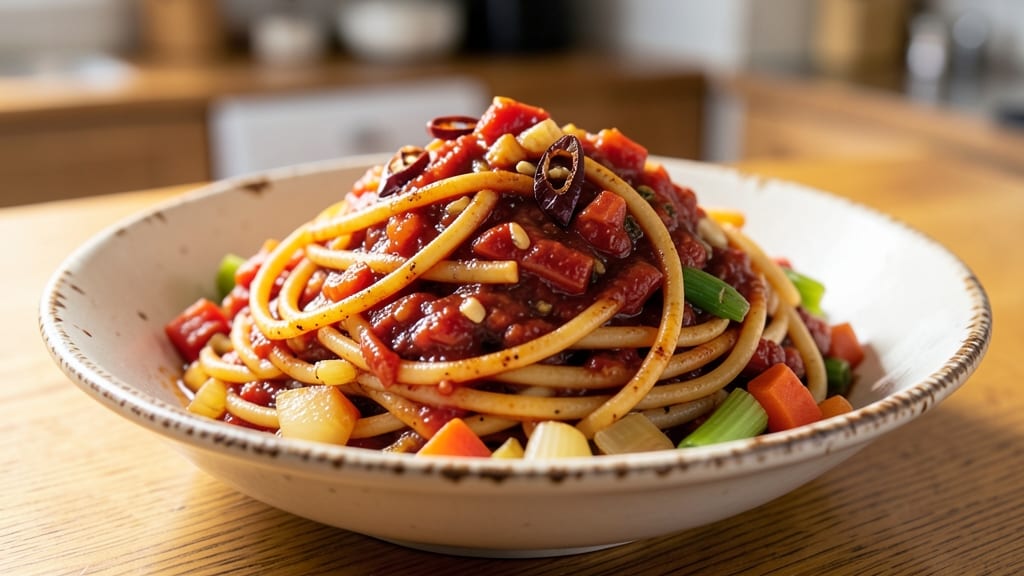
Angelo's spaghetti sauce recipe delivers the kind of depth and smokiness that transforms ordinary pasta into a restaurant-worthy meal. This isn't just another jarred sauce—it's a slow-simmered masterpiece built on layers of garlic, chipotle, and sun-ripened tomatoes that create a sauce so rich it clings to every strand of spaghetti.
I developed this recipe after years of perfecting Angelo's family technique, where the secret lies in patience and letting flavors meld over time.
The beauty of this sauce is its balance—smoky chipotle peppers add warmth without overpowering, while fresh garlic and herbs bring brightness to each spoonful. You'll start with a simple blend of aromatics and tomatoes, then let them simmer for hours until the flavors deepen into something truly extraordinary.
The result is a sauce that's velvety yet robust, with just the right amount of acidity to cut through the richness.
What makes this sauce especially impressive is how versatile it is. Use it immediately over al dente spaghetti for a classic Italian meal, or let it cool and refrigerate for up to five days—it actually tastes better the next day as the flavors continue to develop.
The slow-cooked method ensures every bite is packed with flavor, making it perfect for meal prep or feeding a crowd.
Once you taste this sauce, you'll never go back to store-bought. The technique is straightforward, but the patience required is what elevates it from good to unforgettable. Let's get started on creating Angelo's signature sauce that will have everyone asking for seconds.
Ingredients for angelo's spaghetti sauce
Eleven ingredients, slow simmered to perfection for Angelo's signature restaurant-worthy spaghetti sauce.
| Ingredient | Amount | Notes |
|---|---|---|
| San Marzano Tomato Crushed 🍅 | 28 oz | Canned, no salt added |
| Chipotle Peppers in Adobo 🌶️ | 2 whole | Adjusted for smokiness |
| Garlic Cloves 🧄 | 6 cloves | Freshly minced for depth |
| Yellow Onion 🧅 | 1 whole | Finely diced, sweet variety |
| Carrots 🥕 | 2 medium | Peeled, finely diced |
| Celery Stalks 🥬 | 2 whole | Trimmed, finely chopped |
| Extra-Virgin Olive Oil 🫒 | ½ cup | High quality, fruity |
| Red Wine 🍷 | 1 cup | Bold dry variety, like Cabernet |
| Fresh Basil Leaves 🌿 | ½ cup | Packed, stems removed |
| Dried Oregano 🍃 | 1 tbsp | Mediterranean variety |
| Kosher Salt 🧂 | 1 ½ tsp | Diamond Crystal preferred |
| Black Peppercorns 🌶️ | ½ tsp | Freshly cracked |
The San Marzano tomatoes are non-negotiable here—their natural sweetness and low acidity create the velvety base Angelo perfected. Whole Foods or specialty Italian markets carry the best cans, but any high-quality canned tomatoes work in a pinch. Chipotle peppers in adobo sauce bring the signature smokiness; look for the adobo sauce at Latin markets—it’s essential for that authentic depth. The garlic and aromatics (onion, carrots, celery) should be finely diced to dissolve into the sauce completely. Fresh basil at the end adds brightness, but dried oregano in the initial simmer ensures flavor carries through the cooking process.
No San Marzano tomatoes? Crush a mix of Roma and vine-ripened tomatoes for similar sweetness. Substitute the chipotle with 1 tbsp smoked paprika plus 1 tsp cayenne for heat, though you’ll lose some of the smoky complexity. Red wine can be swapped for dry white wine or additional tomato paste, but the acidity balance will shift slightly. For the aromatics, frozen diced vegetables work in a bind, though fresh is always preferred. The olive oil matters—use a fruity extra-virgin that you’d drizzle on bread; cheap oil will make the sauce taste flat.
This sauce develops flavor over time, so let it simmer uncovered for at least 2 hours—longer if possible. Store in airtight containers in the fridge for up to 5 days, where it actually improves. For longer storage, freeze in 1-cup portions for easy thawing. Angelo’s trick? Add a splash of pasta water when reheating to restore that silky texture. The sauce thickens as it cools, so thin with water or broth if needed before serving.
Why You'll Love This Recipe
- No Chopping Marathon: I swear by this sauce because the onions and carrots? Just diced—no julienne, no fuss. The San Marzano tomatoes handle the work for you, breaking down into a velvety base while you stir. (Yes, even on a Tuesday night when I’m exhausted.)
- Smoky Depth Magic: That chipotle in adobo—oh, it’s the star here. One teaspoon of the sauce, blended into the garlic and tomatoes, and suddenly you’ve got layers of heat and smokiness without tasting like a barbecue joint. The carrots add this subtle sweetness that balances it perfectly.
- Weeknight & Potluck Hero: I make a double batch every Sunday because it’s my go-to for both lazy dinners and bringing to gatherings. Toss it with pasta for a quick meal, or use it as a marinade for chicken—it’s that versatile. (Between us, my in-laws keep asking for the recipe.)
- Fridge Goldmine: This sauce actually improves over time—like a fine wine, but for your freezer. I keep jars of it stocked, and a quick reheat with a splash of water turns it into tomorrow’s dinner. Honestly, the only downside is remembering to eat it before the kids do.
Step-by-step instructions for Angelo's spaghetti sauce
Master this smoky, layered sauce with precise technique and aromatic development.
Build the Flavor Base with Olive Oil and Aromatics
Heat the 0.5 cup extra-virgin olive oil in a heavy-bottomed Dutch oven over medium-low heat. Add the finely diced yellow onion, peeled and finely diced carrots, and trimmed and finely chopped celery stalks. Cook for 10-12 minutes until the vegetables soften and the onion becomes translucent.
This slow cooking process draws out natural sweetness from the vegetables while preventing them from browning too quickly. Stir occasionally to ensure even cooking, but avoid overcrowding the pan—this helps develop a proper fond that will deepen your sauce's flavor later.
Incorporate Garlic and Chipotle for Smoky Depth
Add the 6 cloves freshly minced garlic and cook for 1 minute until fragrant but not browned. Immediately add the 2 whole chipotle peppers in adobo, minced (including 1 teaspoon of the adobo sauce from the jar), and stir well to combine. The chipotle will infuse its smoky heat throughout the sauce.
This is where the sauce begins to develop its signature complexity. The chipotle's smokiness pairs beautifully with the garlic's sharpness, creating a flavor bridge that will carry through the entire cooking process. Don't let the garlic burn—it should smell sweet and aromatic, not bitter.
Deglaze with Red Wine and Reduce
Pour in the 1 cup bold red wine and scrape up any browned bits from the bottom of the pot with a wooden spoon. This deglazing step captures all the flavor you've built so far. Simmer the mixture for 5-7 minutes until the wine has reduced by half and the alcohol has cooked off.
Watch for the wine to develop a rich, jammy consistency. This reduction process concentrates the flavors and removes the harsh alcohol notes. The sauce should coat the back of a spoon and smell deeply aromatic with notes of caramelized vegetables, garlic, and chipotle.
Add Tomatoes and Herbs for Richness
Stir in the 28 oz San Marzano tomato crushed, 1.5 teaspoons kosher salt, and 0.5 teaspoon freshly cracked black peppercorns. Bring the sauce to a gentle simmer over medium heat, then reduce the heat to low. Let it cook uncovered for 45-50 minutes, stirring occasionally, until it thickens to your desired consistency.
The San Marzano tomatoes provide natural sweetness and acidity that balances the smoky chipotle. The long simmer allows the flavors to meld together, creating a complex sauce with layers of taste. You'll know it's ready when the sauce coats the back of a spoon and has reduced by about one-third.
Finish with Fresh Basil and Rest
Remove the sauce from heat and stir in the 0.5 cup packed fresh basil leaves and 1 tablespoon dried oregano. Let the sauce rest for 15-20 minutes before serving. This resting period allows the flavors to fully develop and the sauce to thicken slightly more.
The fresh basil adds a bright, herbal note that cuts through the richness of the sauce, while the oregano provides an earthy depth. The rested sauce will have a velvety texture and perfect balance of sweet, smoky, and acidic flavors. Serve with freshly cooked spaghetti and a sprinkle of additional fresh basil if desired.
Pro Tips For Making Angelo'S Spaghetti Sauce
- Sweat, Don’t Burn, Onions: The onions in this sauce should melt into the tomatoes, not turn to charcoal. Cook them on medium-low heat for 8–10 minutes, stirring occasionally—yes, it takes longer, but rushing this step adds bitterness that lingers even after the chipotle kicks in.
- Mince Garlic Like You Mean It: I used to toss in whole cloves and wonder why the flavor was uneven. For this sauce, finely mince the garlic (or pulse it in a food processor) so it dissolves completely into the oil. No clumps = no surprises when you taste it later.
- Strain the Chipotle Sauce: The adobo sauce from chipotle cans is salty and thick, and dumping it straight in can throw off the balance of your sauce. Strain it through a fine-mesh sieve first—you’ll get the smoky flavor without the extra sodium or grit.
- Simmer Low and Slow: This isn’t a 30-minute weeknight sauce. Let it bubble gently for at least 45 minutes—longer if you can—so the carrots break down and the flavors meld. The longer it simmers, the deeper the smoky-sweet notes become. (Yes, even if you’re impatient like me.)
Common mistakes when making perfect results
Rushing the Simmer
Skipping the 45-50 minute low simmer is the fastest way to ruin your sauce. This isn't a quick weeknight dish—it needs time for the flavors to meld and the tomatoes to break down.
I've seen home cooks crank the heat to speed things up, but that just makes a thin, one-dimensional sauce. The San Marzano tomatoes need that gentle heat to release their natural sweetness and develop depth. 🔥
Skipping the Deglaze
Never skip the red wine deglaze—those browned bits on the bottom of your pot are flavor gold. When you scrape them up with wine, you're capturing all the caramelized goodness from the aromatics.
I once made this sauce without deglazing, and it tasted flat compared to when I did. Use a bold dry red wine like Cabernet for the best results.
Overcooking the Garlic
Burnt garlic ruins everything. Once you add the 6 cloves of minced garlic, cook for just 1 minute until fragrant. Any longer and you'll get bitter, acrid flavors that overpower the sauce.
I've had to start over more times than I'd like because of this one mistake. Keep a close eye on it—it happens faster than you think!
Using Low-Quality Tomatoes
Don't substitute San Marzano tomatoes with whatever's on sale. The difference in quality is night and day. I've tried using regular canned tomatoes, and while they'll work in a pinch, they lack the natural sweetness and low acidity that make this sauce special.
If you must substitute, use a mix of Roma tomatoes and vine-ripened tomatoes for similar results.
Ignoring the Resting Time
The 15-20 minute rest after cooking is crucial for letting flavors develop fully. I know it's tempting to serve it immediately, but that's when the sauce tastes flat. The resting period allows the sauce to thicken slightly and for all the flavors to come together.
Trust me, your taste buds will thank you for the patience! ✨
Not Adjusting Salt Properly
Taste your sauce before serving and adjust the kosher salt as needed. The 1.5 teaspoons called for is just a starting point—the actual amount needed can vary based on your tomatoes and other ingredients.
I've had batches that needed another ½ teaspoon and others that were perfect as-is. Taste frequently during cooking to prevent oversalting.
Nutrition facts
Frequently asked questions about Angelo's spaghetti sauce
Can I make this sauce without red wine?
The red wine adds depth and helps balance the smoky chipotle flavors, but you can substitute it with 1 cup of dry white wine or even 1 cup of tomato paste plus ½ cup water. If using tomato paste, reduce the overall liquid slightly to maintain the sauce's richness. The key is maintaining the acidity and complexity that the wine provides.
How do I adjust the heat level if chipotle is too spicy?
If the chipotle's heat is overwhelming, reduce it by removing the seeds and membranes first (they contain most of the capsaicin). For a milder sauce, use only 1 chipotle pepper instead of 2, or substitute with 1 tbsp smoked paprika plus ½ tsp cayenne. Always taste as you go—you can add more chipotle later if needed, but you can't remove heat once it's in.
Can I use this sauce for other pasta shapes besides spaghetti?
This versatile sauce works beautifully with rigatoni, penne, or even lasagna noodles. For heartier pastas like rigatoni, you might want to add ½ cup of cooked white beans or sautéed mushrooms to bulk it up. The sauce's rich texture clings well to most pasta shapes, making it perfect for any Italian-inspired meal.
Why does my sauce taste thin after cooking?
A thin sauce usually means it didn't simmer long enough or the tomatoes weren't broken down properly. For best results, simmer uncovered for at least 2 hours—the longer it cooks, the thicker it becomes. If it's still too thin, simmer uncovered for another 15-20 minutes to reduce it further. You can also mix in 1 tbsp of tomato paste to help thicken it naturally.
How can I make this sauce ahead of time?
This sauce actually tastes better the next day as the flavors deepen! Store it in an airtight container in the refrigerator for up to 5 days. For longer storage, freeze it in 1-cup portions for easy thawing. When reheating, add a splash of pasta water or water to restore its silky texture—it thickens as it cools.