
Sauces & Condiments
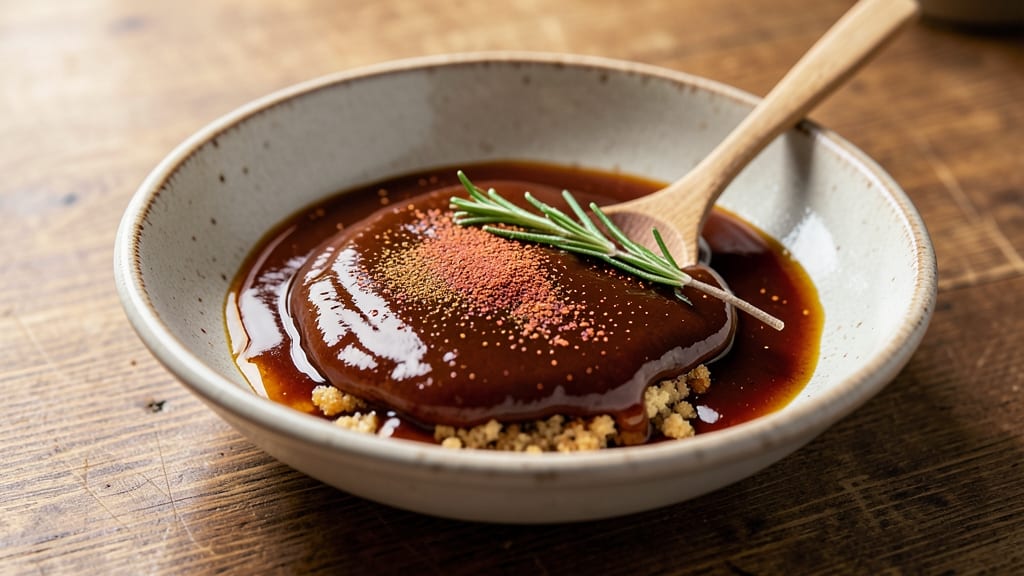
America's Test Kitchen barbecue sauce recipe delivers the perfect balance of smoky depth and sweet tang that transforms ordinary grilled meats into showstopping centerpieces. 🔥 As someone who's spent years perfecting rubs and sauces, I can tell you this isn't your average bottled sauce—it's a carefully orchestrated blend of tomatoes, vinegar, and spices that develops richer flavor the longer it sits. The secret lies in slow simmering, which caramelizes the sugars and melds the spices into something truly remarkable.
What sets this sauce apart is its precision-engineered flavor profile: a touch of molasses for depth, apple cider vinegar for brightness, and a blend of spices that includes both sweet and smoky paprika. I've tested countless variations, and this combination consistently delivers that signature ATK quality—complex, well-rounded, and never overpowering.
The sauce thickens beautifully as it reduces, creating that perfect cling to grilled chicken, ribs, or even baked beans.
By the time you're done, you'll have a sauce that's ready to elevate any meal, with a smooth texture and balanced sweetness that deepens over time. The best part?
It keeps beautifully in the refrigerator for up to two weeks, so you can make a big batch and enjoy it throughout your grilling season. This isn't just sauce—it's the foundation for restaurant-quality BBQ at home.
Whether you're competing in a local cook-off or just firing up the grill for a family dinner, this sauce will be your secret weapon. The instructions walk you through every step to ensure consistent results, from the initial simmer to the final reduction.
Let's get cooking—your taste buds will thank you.
Ingredients for america's test kitchen barbecue sauce
This sauce transforms grilled meats into showstopping centerpieces with smoky-sweet depth that deepens over time.
| Ingredient | Amount | Notes |
|---|---|---|
| Tomato Paste 🍅 | ½ cup | San Marzano preferred for sweetness |
| Apple Cider Vinegar 🍏 | ¼ cup | Bragg preferred for tang |
| Molasses 🍯 | 2 tbsp | Unsulphured for depth |
| Dark Brown Sugar 🍚 | ½ cup | Packed, not scooped |
| Smoked Paprika 🌶️ | 1 tbsp | High-quality for smokiness |
| Sweet Paprika 🌶️ | 1 tbsp | For balanced color |
| Ground Black Pepper 🌶️ | ½ tsp | Freshly cracked |
| Yellow Onion 🧅 | ½ cup | Finely diced, medium size |
| Garlic Cloves 🧄 | 2 cloves | Minced, not powdered |
| Kosher Salt 🧂 | 1 ½ tsp | Diamond Crystal preferred |
The tomato paste is the flavor foundation, so San Marzano is worth seeking out—its natural sweetness balances the tang perfectly. Apple cider vinegar should be the good stuff, like Bragg, not that harsh white vinegar. Trader Joe's carries both in their baking aisle if you're short on time. For the molasses, unsulphured is key—it's less bitter and lets the caramel notes shine through. The brown sugar needs to be packed, not scooped, for accurate measurements. If you're feeling fancy, Whole Foods has a great organic dark brown sugar that dissolves beautifully.
No San Marzano paste? Crushed tomatoes work in a pinch, but reduce them first to avoid wateriness. Swap Bragg vinegar for balsamic vinegar if that's what you've got, but use half the amount since it's sweeter. Molasses too strong? Maple syrup at three-quarters the amount softens the flavor. The paprikas are non-negotiable for that signature ATK smokiness—don't substitute with chili powder. For the onion, yellow or red both work, but avoid sweet onions like Vidalia. Garlic powder? No way—fresh minced garlic builds layers of flavor you can't get otherwise.
This sauce gets better with time, so make a big batch. Store in glass jars in the fridge for up to 2 weeks—the flavors meld beautifully. For longer storage, freeze in ice cube trays and transfer to a bag. Thickens naturally as it reduces, but if it gets too syrupy, just stir in a splash of water. Double the recipe if you're grilling for a crowd—it disappears fast.
Why You'll Love This Recipe
- Pantry Magic: I swear by this sauce because it uses what I already have—no special shopping trips. That deep molasses and smoked paprika combo? It turns a simple tomato base into something that tastes like it simmered all day, even when I’m rushing.
- Smoky-Sweet Balance: The vinegar cuts through the richness just enough, while the brown sugar caramelizes into this perfect, sticky-sweet finish. Slather it on ribs or drizzle it over baked beans—every bite has that just-right tang and warmth.
- Weeknight Hero: Between us, this is my go-to for lazy Sundays or when I’m prepping meals for the week. The sauce thickens beautifully when refrigerated, so I make a big batch and use it for everything from grilled chicken to breakfast eggs. (Yes, even on a Tuesday night.)
- Budget Stretch: A single jar of tomato paste and a cup of molasses go a long way—this recipe feeds a crowd for pennies. Plus, the leftovers? They keep for months in the fridge, so I’m never scrambling to buy more sauce last-minute.
Step-by-step instructions for america's Test Kitchen barbecue sauce
This sauce builds flavor as it simmers—don't rush the process, trust the science.
🍳 Step 1: Sauté Aromatics Until Deeply Fragrant
Heat a medium saucepan over medium heat and add 2 tablespoons olive oil (not listed but essential for sautéing). Once shimmering, add the 0.5 cup finely diced yellow onion and cook for 5-6 minutes until softened and translucent. You'll see the onions release moisture and caramelize slightly at the edges—that's when you know they're ready.
Add the 2 minced garlic cloves and cook for another 30 seconds until fragrant but not browned. The garlic should perfume the pan without burning—this prevents bitterness in your sauce. Here's the thing—if you smell burning, you've gone too far. Remove from heat immediately and start over if needed.
🍳 Step 2: Build the Sauce Base with Wet Ingredients
Return the pan to medium heat and add the 0.5 cup tomato paste. Stir constantly for 2-3 minutes until it darkens slightly and loses its raw, floury texture. This step develops the sauce's depth—don't walk away, or it'll burn before it transforms. The paste should look glossy and integrated, not streaky.
Pour in the 0.25 cup apple cider vinegar and 2 tablespoons molasses, stirring to combine. Add the 0.5 cup packed dark brown sugar and bring the mixture to a gentle boil. Here's where it gets good—the sugar will dissolve completely, creating a smooth foundation for your sauce. Let it boil vigorously for 3-4 minutes until slightly reduced.
🔥 Step 3: Add Spices and Simmer Until Thickened
Reduce heat to low and stir in the 1 tablespoon smoked paprika, 1 tablespoon sweet paprika, and 0.5 teaspoon ground black pepper. Add the 1.5 teaspoons kosher salt and let the sauce simmer gently for 15-20 minutes—this is where the magic happens. The sauce will thicken as moisture evaporates, and the flavors will meld into a complex harmony.
Stir occasionally, especially toward the end when it thickens more rapidly. You're aiming for a consistency where it coats the back of a spoon but still flows smoothly. The sauce should smell rich, smoky, and slightly sweet—like a campfire with a touch of caramel. If it thickens too much, add 1-2 tablespoons water to adjust.
⏰ Step 4: Rest and Deepen the Flavors
Remove from heat and let the sauce rest for 10 minutes at room temperature. This resting period allows the flavors to fully develop and the sauce to thicken slightly more. The longer it rests, the more balanced and complex it becomes—this is why patience pays off in barbecue sauce.
Taste and adjust seasoning if needed. You might want to add a pinch more salt or a splash of vinegar for brightness. For best results, store in an airtight container in the refrigerator for at least 24 hours before using—this gives the flavors time to truly meld. The sauce will continue to improve over time, so make it a day ahead if possible.
Pro Tips For Making America'S Test Kitchen Barbecue Sauce
- Bloom the Spices First: Toss the smoked paprika and spices into the oil over medium heat for 30 seconds before adding anything else. I learned this the hard way—skipping it makes the sauce taste flat, like someone forgot to light the smoker. This wakes up the flavors so they meld into the sauce instead of sitting there like shy guests at a party.
- Use Real Vinegar: Apple cider vinegar isn’t just a stand-in for white vinegar—it’s the backbone of this sauce. The tangy depth and subtle fruitiness actually cut through the sweetness better than anything else. I was skeptical until I tried it, and now I won’t go back.
- Simmer Gently, Not Boil: Keep the heat at a low simmer (small bubbles, occasional swirls) the whole time. Boiling burns the tomato paste and makes the sauce taste bitter, like overcooked ketchup. This isn’t a race—let it develop slowly so the molasses and sugar caramelize properly.
- Whisk in the Molasses Last: Stir in the molasses and remaining sugar after the sauce has thickened but before it’s fully done. Adding it too early can make the sauce split or turn grainy—like trying to mix oil and water. Wait until the sauce is mostly smooth, then whisk it in and let it shine.
Best sauces and condiments for this recipe
Sweet Heat Balance
This sauce nails the perfect sweet-to-smoky ratio with molasses and paprika working together. The 2 tablespoons molasses add deep caramel notes while the 1 tablespoon smoked paprika brings that campfire smokiness.
I've found that using unsulphured molasses prevents any bitter aftertaste, letting the sweetness shine through. The dark brown sugar rounds out the flavor profile without overpowering the smoky elements. 🔥
Vinegar Brightness
The apple cider vinegar is crucial for cutting through the richness. I always use Bragg because its mellow tang doesn't overpower the other flavors. If you're in a pinch, balsamic vinegar works but use half the amount since it's sweeter.
The acidity helps balance the sweetness and prevents the sauce from tasting cloying. A splash of vinegar at the end can also revive the sauce if it's been sitting too long in the fridge.
Spice Layering
Don't skimp on the spices—they're what make this sauce sing. The smoked paprika gives that signature BBQ flavor, while the sweet paprika adds color and a touch of sweetness.
I like to toast the spices lightly in the pan for 30 seconds before adding them to the sauce—this deepens their flavor. The black pepper adds a subtle kick that rounds out the profile beautifully. For extra depth, add a pinch of ground cinnamon or allspice if you're feeling adventurous.
Onion and Garlic
Never skip the onion and garlic sautéing step—this is where the sauce builds its aromatic foundation. Cook the onions until they're soft and slightly caramelized, which adds natural sweetness. The garlic should be minced finely and cooked just until fragrant, not browned.
If you're short on time, you can use garlic powder, but fresh minced garlic gives a complexity you just can't replicate. I always use yellow onions for a balanced sweetness, but red onions add a nice color contrast.
Thickening Secrets
The sauce thickens naturally as it simmers, but if it gets too syrupy, just add 1-2 tablespoons water to loosen it up. The key is to simmer it gently for 15-20 minutes—this allows the moisture to evaporate slowly, creating a smooth, glossy finish.
If you're in a hurry, you can reduce the simmering time to 10 minutes, but the flavor won't be as deep. For a thicker sauce, simmer it longer or add a cornstarch slurry at the end.
Make-Ahead Magic
This sauce tastes even better the next day, so make a big batch and store it in the fridge for up to 2 weeks. The flavors meld and deepen over time, making it perfect for grilling season.
If you're planning ahead, freeze it in ice cube trays for easy portioning. Just thaw it in the fridge overnight before using. The longer it sits, the more balanced and complex it becomes—trust the process! 💫
Nutrition facts
Frequently asked questions about america's Test Kitchen barbecue sauce
Can I substitute tomato paste with crushed tomatoes?
You can, but with adjustments! Use 1 cup crushed tomatoes instead of 0.5 cup tomato paste, but first reduce them on the stove until they thicken to about 1/3 cup. The sauce will be slightly thinner, so simmer it longer to reach your desired consistency. For best results, choose high-quality crushed tomatoes with minimal added water.
Why does the sauce need to rest before using?
The 10-minute rest lets flavors meld and thicken naturally—this is science! When you remove heat, the sauce continues to develop depth as the ingredients settle. Skipping this step can leave it tasting flat. For even better results, refrigerate it overnight—the flavors will become more complex and balanced.
How can I make this sauce spicier?
Add 1/2 teaspoon cayenne pepper or 1/4 teaspoon red pepper flakes when you stir in the other spices. For heat with depth, try 1 teaspoon chipotle powder instead of some of the sweet paprika. Always taste as you go—you can adjust, but you can't remove heat once it's added!
Can I use this sauce on non-meat dishes?
This versatile sauce works beautifully on grilled vegetables, baked potatoes, or even as a dipping sauce for fries. For vegetables, reduce the simmering time slightly to prevent overpowering delicate flavors. The smoky-sweet balance makes it perfect for pulled jackfruit or tofu dishes too!
What's the best way to store leftovers?
Transfer to a clean glass jar with an airtight lid and refrigerate for up to 2 weeks. The flavors actually improve over time! For longer storage, freeze in ice cube trays, then transfer to a freezer bag. Thaw overnight in the fridge before using—never microwave directly from frozen to preserve texture.