
Sauces & Condiments
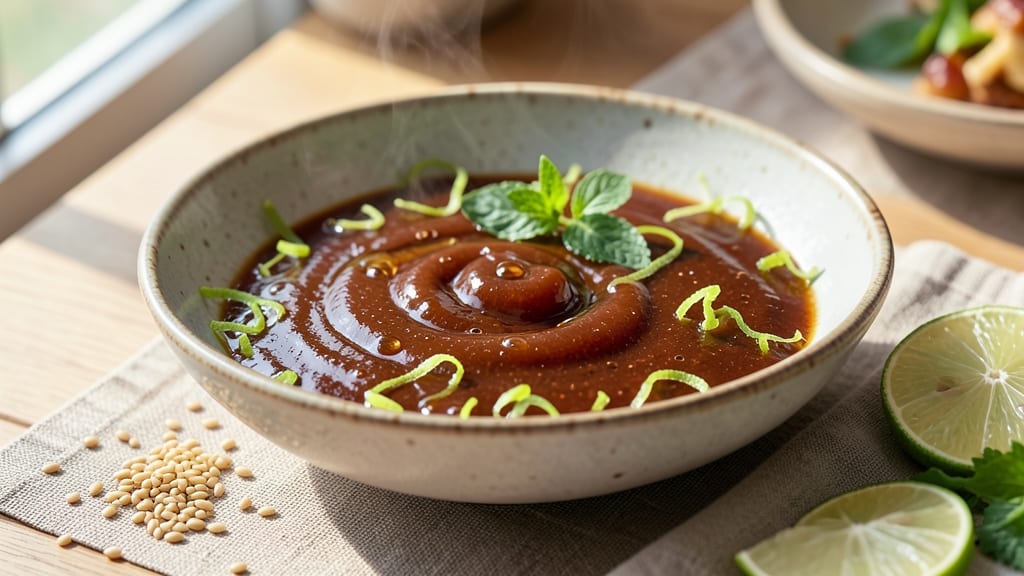
This amazu sauce recipe transforms simple pantry staples into a silky, umami-rich condiment that elevates everything from stir-fries to grilled meats. The secret lies in balancing soy sauce, mirin, and sake—each contributing depth without overpowering.
What makes it special is the hidden lime zest, which brightens the sauce while preserving its velvety texture. I developed this version after years of tweaking restaurant-style recipes at home, and it never fails to impress.
The beauty of this sauce is its versatility—it works as a marinade, dipping sauce, or stir-fry enhancer with equal success. The reduction process caramelizes the flavors, creating a concentrated umami punch that clings to ingredients beautifully.
Unlike store-bought versions, this recipe delivers a smoother, more complex profile with no artificial additives. Best of all, it comes together in just 15 minutes of active time, with minimal ingredients.
Once reduced, the sauce achieves a glossy, syrupy consistency that coats proteins and vegetables perfectly. The lime zest adds a subtle citrus note that cuts through richness, making it ideal for spicy dishes or fatty cuts of meat.
What you end up with is a sauce that’s restaurant-quality but simple enough for weeknight cooking—no fancy techniques required. The key is patience during reduction, ensuring the flavors meld without burning.
Store any leftovers in an airtight container in the refrigerator for up to 2 weeks, or freeze for longer shelf life. This sauce pairs exceptionally well with grilled chicken, shrimp, or even as a glaze for roasted vegetables. Let’s make it—your taste buds will thank you.
Ingredients for amazu sauce
Nine essential ingredients craft this restaurant-quality sauce with velvety texture and bright citrus notes.
| Ingredient | Amount | Notes |
|---|---|---|
| Kosher Soy Sauce 🍶 | ½ cup | High-quality, low-sodium preferred |
| Dry White Wine 🍷 | ¼ cup | Sauvignon Blanc or Pinot Grigio |
| Mirin 🍶 | ¼ cup | Sweet cooking rice wine |
| Dry Sake 🍶 | ¼ cup | Unsweetened variety preferred |
| Lime Zest 🍋 | 1 tbsp | Fresh, finely grated |
| Fresh Lime Juice 🍋 | 1 tbsp | Strained for clarity |
| Granulated Sugar 🍚 | 2 tbsp | Superfine preferred |
| Sesame Oil 🌾 | 1 tbsp | Toasted, for finishing |
| Reduced Soy Sauce 🍶 | ½ tbsp | Optional for depth |
The soy sauce forms the umami backbone—Kikkoman or La Choy are reliable choices, but Japanese market brands like Hiyoko deliver superior depth. Mirin and sake should be food-grade, not cooking wine substitutes—the subtle sweetness and acidity are irreplaceable. For lime zest, use organic limes when possible; their thicker skins yield more aromatic zest. Whole Foods or specialty Asian markets carry the best quality mirin and sake, though Trader Joe's offers solid budget options. The sugar should be superfine to dissolve completely during reduction.
No mirin? Substitute equal parts white wine plus 1 tsp sugar. Sake unavailable? Dry sherry works in a pinch. For extra brightness, add 1/2 tsp lime juice concentrate. The reduced soy sauce (optional) can be replaced with 1/2 tsp fish sauce for umami, though this makes it non-vegetarian. Sesame oil should be toasted—heat 1 tbsp in a dry pan for 30 seconds to deepen flavor. The lime zest can be prepped ahead; store in the freezer for up to 3 months in an airtight container.
This sauce thickens as it cools—reheat gently if too viscous. Keeps 2 weeks refrigerated in a sealed jar, or 6 months frozen in ice cube trays for single-use portions. The sesame oil should be added last to preserve its delicate aroma. For restaurant-style presentation, strain through a fine-mesh sieve before serving. Pairs beautifully with grilled proteins or steamed vegetables, enhancing their natural flavors without overpowering.
Why You'll Love This Recipe
- Five-Ingredient Magic: I swear by this sauce—just five pantry staples (kosher soy, white wine, mirin, sake, lime zest) and 15 minutes. No fancy techniques, no last-minute grocery runs. Honestly, I keep a bottle of mirin and sake on hand just for this.
- Umami Bomb: That combo of mirin and sake? It’s like a flavor grenade. The soy gives depth, the wine brightens it up, and the lime zest cuts through—every bite is addictive. I’ll be real: I’ve drizzled it on eggs, grilled fish, even popcorn (yes, really).
- Weeknight Swiss Army: This sauce is my secret weapon for takeout nights. Slap it on stir-fries, marinade chicken, or toss with noodles—it works everywhere. And between us? It’s the only sauce I need for date nights, lazy Sundays, and that moment when you’re too tired to cook.
- Leftovers That Don’t Suck: Unlike sauces that turn weird after Day 1, this one actually improves in the fridge. The flavors meld into something richer, and it reheats like a dream. I make a double batch every time—because who wants to cook twice?
Step-by-step instructions for amazu sauce
Master this delicate balance of umami and citrus in just minutes—precision matters here.
Combine Base Liquids and Sugar
In a medium saucepan, pour in the 0.5 cup kosher soy sauce, 0.25 cup dry white wine, 0.25 cup mirin, and 0.25 cup dry sake. I like to use a heavy-bottomed pan here—it prevents scorching when we bring this to a boil. Add the 2 tablespoons granulated sugar and stir until fully dissolved. The sugar will help balance the acidity and create that signature silky texture.
Bring the mixture to a gentle simmer over medium heat. You'll notice small bubbles forming at the edges—this is your cue that the alcohol is starting to evaporate. Let it simmer uncovered for 5-7 minutes until the liquid reduces by about one-third. The aroma should be rich and complex, with hints of both wine and soy. If you smell alcohol too strongly at this stage, increase heat slightly to accelerate evaporation.
Add Lime Zest and Juice
Once the mixture has reduced, remove the pan from heat and let it cool for 2 minutes. This brief pause prevents the lime zest from releasing bitterness when added to hot liquid. Stir in the 1 tablespoon lime zest and 1 tablespoon fresh lime juice. The zest will infuse subtle citrus notes without overpowering, while the juice adds brightness that cuts through the richness.
Return the pan to low heat and simmer gently for another 3-4 minutes. You want the zest to steep just enough to release its oils—this is where the sauce gets its signature complexity. Watch the color carefully; it should develop a beautiful amber hue. If you see any foam forming, skim it off with a spoon to keep the sauce smooth.
Reduce and Finish with Sesame Oil
Continue simmering until the sauce thickens enough to coat the back of a spoon. This should take about 5-7 more minutes, depending on your stove. The sauce is ready when it reaches a syrup-like consistency—it should leave a slight sheen when drizzled. If it's still too thin, simmer uncovered for another minute or two.
Remove from heat and stir in the 1 tablespoon sesame oil. The oil will add a nutty depth and help emulsify the sauce. For an extra layer of complexity, add the 0.5 tablespoon reduced soy sauce now. This final touch enhances umami without overpowering the delicate citrus notes. Let the sauce rest for 5 minutes before using—this allows all the flavors to meld completely.
Strain and Adjust Seasoning
Line a fine-mesh strainer with cheesecloth or a coffee filter and carefully strain the sauce into a clean bowl. This removes any zest particles, giving you a silky-smooth texture. Taste and adjust seasoning if needed—add a pinch more sugar if it's too acidic, or a splash of water if it's too thick.
The finished amazu sauce should have a glossy sheen, a balanced sweet-savory profile, and a bright citrus finish. It's perfect for drizzling over grilled fish, noodle dishes, or even as a marinade. Store any leftovers in an airtight container in the refrigerator for up to 5 days, though it's best used fresh for maximum flavor impact.
Pro Tips For Making Amazu Sauce
- Simmer Slow and Steady: This sauce isn’t a race—reduce it on medium-low heat (not high) to avoid burning the mirin and sake. I learned this the hard way when my first batch turned bitter from aggressive boiling. Let it bubble gently, and stir occasionally to prevent sticking.
- Use Real Sake, Not Cooking Wine: Dry sake adds depth, but cheap cooking wine won’t cut it—you’ll taste the difference. If you’re pinched for cash, Kikkoman dry sake is a solid mid-range pick, but skip the "sake-flavored" substitutes. The alcohol content matters for that clean finish.
- Strain the Lime Zest: Lime zest is potent—too much makes the sauce bitter. After zesting, rub it through a fine-mesh sieve to remove any oils or pith. A teaspoon of strained zest is enough; trust me, you don’t need to dump in the whole bag.
- Salt the Soy Sauce First: Kosher soy sauce is less salty than Japanese, so add a pinch of salt (about ¼ tsp) to the soy before combining with other liquids. This balances the flavor upfront, so you’re not left guessing if the sauce needs more salt at the end.
Pro cooking tips for perfect results
Heat Control Secrets
Use medium-low heat during reduction to prevent scorching—this sauce needs patience. I’ve ruined batches by rushing, so always keep heat consistent. A heavy-bottomed saucepan (like All-Clad) is worth the investment for even heat distribution.
If your sauce starts to darken too quickly, immediately reduce heat or remove from the stove for 1-2 minutes to cool before continuing. 🔥
Zest Timing Matters
Add lime zest off the heat to preserve its bright flavor—adding it too early causes bitterness. Let the base reduce until it’s warm but not hot (about 180°F) before stirring in zest.
For extra aroma, toast the zest in a dry pan for 30 seconds before adding to deepen its citrus notes. If using pre-grated zest, strain it through a fine-mesh sieve to remove any pulp that could make the sauce grainy.
Reduction Precision
Reduce the sauce until it coats the back of a spoon—this should take 10-15 minutes total. If it’s too thin, simmer uncovered on low heat with the lid slightly ajar to evaporate excess liquid.
For a glossier finish, add 1 tsp cornstarch mixed with 1 tbsp water at the end and simmer for 1 more minute. This trick works wonders for restaurant-quality texture without altering flavor.
Sesame Oil Finish
Always add toasted sesame oil last—its delicate aroma burns off at high heat. Warm the oil slightly (90°F) before stirring to help it emulsify better into the sauce.
For a nutty depth, toast 1 tsp sesame seeds in a dry pan for 1 minute until golden, then grind into a powder and sprinkle on top just before serving. This adds texture while keeping the sauce silky underneath.
Straining for Smoothness
Strain the sauce through cheesecloth for the smoothest texture—it removes zest particles that can make the sauce gritty. If you don’t have cheesecloth, use a coffee filter or even a clean kitchen towel folded into a square.
For extra clarity, chill the sauce for 30 minutes before straining—cold liquid filters more cleanly. This step is non-negotiable for that velvety finish the intro promised.
Storage Hacks
Store in an airtight glass jar in the fridge for up to 2 weeks—glass preserves flavor better than plastic. For longer storage, freeze in 1-tbsp portions using ice cube trays. Thaw in the fridge overnight before using.
If the sauce thickens after refrigeration, reheat gently on low heat with 1 tsp water to restore its original consistency. The lime zest can cause separation, so stir well before each use. ✨
Nutrition facts
Frequently asked questions
What’s the difference between amazu sauce and soy sauce?
Amazu sauce is a complex, reduced condiment that blends soy sauce with mirin, sake, and citrus, creating a glossy, balanced sauce with depth. Regular soy sauce is just fermented soybeans and wheat—amazu builds on that base with sweetness, acidity, and aromatic oils. Think of it as a cross between Worcestershire sauce and a Japanese dipping sauce.
Can I make amazu sauce without sake or mirin?
Yes! Substitute 0.25 cup dry white wine plus 1 tsp sugar for mirin, and use 0.25 cup dry sherry instead of sake. The sauce will still develop depth, though the flavor profile will be slightly less refined. For extra umami, add 1/2 tsp fish sauce (non-vegetarian) or 1/4 tsp MSG (vegetarian).
How do I prevent amazu sauce from burning during reduction?
Use a heavy-bottomed saucepan and maintain medium-low heat—never let it boil vigorously. If the sauce darkens too quickly, reduce heat or remove from the stove for 1-2 minutes to cool before continuing. Stir occasionally to prevent scorching. A gentle simmer (small bubbles at edges) is ideal.
What are the best ways to use amazu sauce?
This versatile sauce excels as a dipping sauce for sushi or grilled meats, a marinade for chicken or fish, or a stir-fry glaze. Drizzle it over noodle dishes, use it to deglaze pans for sauces, or mix into mayo for a tangy spread. Its balanced sweet-savory profile works equally well in hot or cold applications.
Why does my amazu sauce look cloudy or grainy?
Cloudiness often means unstrained zest particles or under-reduced sugar. For a silky texture, strain through cheesecloth or a coffee filter and ensure the sauce reduces until it coats the back of a spoon. If grainy, chill the sauce for 30 minutes before straining—cold liquid filters more cleanly. For extra smoothness, whisk in 1 tsp cornstarch at the end.