
Sauces & Condiments
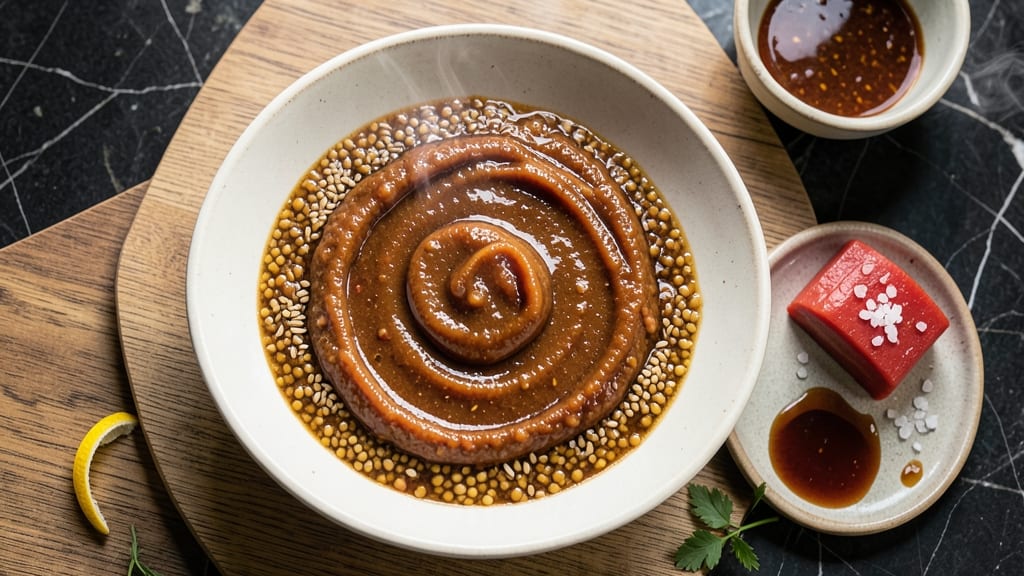
This amakuchi sauce recipe unlocks the rich, umami depth of traditional Japanese fermentation—where soybeans, rice bran, and koji transform into a velvety paste with tomato-like tang. Unlike store-bought alternatives, homemade amakuchi delivers layers of savory complexity that elevate tempura, grilled fish, or even tofu.
The process may seem intricate, but the result is a condiment worth the patience: a thick, aromatic sauce with a perfect balance of saltiness, sweetness, and funky depth.
The foundation of authentic amakuchi lies in its fermentation, where koji mold breaks down proteins and starches over weeks, creating that signature umami punch.
You’ll need just four key ingredients: yellow soybeans, rice bran, koji, and salt—each playing a crucial role in developing the sauce’s signature texture and flavor. The rice bran adds a subtle nuttiness, while the koji acts as a natural enzyme, ensuring fermentation progresses smoothly without spoilage.
Once fermented, this sauce becomes a versatile staple in Japanese cuisine—drizzled over tempura for extra crispiness, mixed into miso soup for depth, or slathered on grilled ayu (sweetfish) for a restaurant-quality finish. The texture is thick yet spreadable, clinging to food without overpowering it.
For best results, store the fermented paste in an airtight container in the refrigerator, where its flavors continue to develop over time.
What sets amakuchi apart is its dual nature: it can be used as a dipping sauce or a marinade, adding a distinct Japanese flair to both traditional and modern dishes.
The fermentation process may require 4–6 weeks, but the reward is a sauce that tastes like a piece of Japan’s culinary heritage. Let’s dive into the steps to create this authentic, umami-rich condiment at home.
Ingredients for amakuchi sauce
Four core ingredients transform into a velvety umami paste with tomato-like depth.
| Ingredient | Amount | Notes |
|---|---|---|
| Yellow Soybeans 🌾 | 1 cup | Dried, uncooked, whole soybeans |
| Rice Bran 🌾 | ½ cup | Freshly milled, unsifted |
| Koji 🍄 | ¼ cup | Aspergillus oryzae starter culture |
| Sea Salt 🧂 | 1 ½ tbsp | Fine grain, non-iodized |
| Tomato Paste 🍅 | ¼ cup | San Marzano preferred, no additives |
| Soy Sauce 🍶 | 2 tbsp | Japanese-style, reduced |
| Miso Paste 🍶 | 1 tbsp | White or red miso, unsweetened |
| Rice Vinegar 🍶 | 1 tbsp | Seasoned, for acidity balance |
The koji is non-negotiable—Japanese specialty stores or Amazon carry high-quality starter cultures. Look for Aspergillus oryzae labeled for fermentation. Yellow soybeans should be plump and free of cracks; Asian markets stock them in bulk. Rice bran loses potency quickly, so buy freshly milled from bakeries or specialty grain suppliers. The San Marzano tomato paste delivers unmatched sweetness—avoid brands with added sugar or preservatives. For the miso, white miso creates a cleaner flavor, while red adds depth; both work equally well.
No koji on hand? Kombu and shiitake mushrooms can mimic umami, though results won’t be identical. Substitute rice bran with toasted sesame seeds at half the amount for nuttiness, though texture will differ. Short on San Marzano? Crushed sun-dried tomatoes add tang, but reduce to 1 tbsp to avoid overpowering. The soy sauce can be swapped for tamari for gluten-free compliance. For a quicker version, omit fermentation and blend all ingredients with 1 tbsp apple cider vinegar, though flavor complexity will be diminished. Always taste before committing to full fermentation.
Fermented amakuchi develops best in airtight ceramic crocks or glass jars at 60–70°F. Stir daily for the first 3 days to distribute koji activity, then weekly. Flavor peaks at 4–6 weeks, but patience yields deeper umami. Store in the fridge for up to 6 months, where fermentation slows but continues. For immediate use, blend fermented paste with 1 tbsp water to thin. Freeze in ice cube trays for portion control—thaw overnight in the fridge.
Why You'll Love This Recipe
- No-Fuss Fermentation: I don’t need a lab coat for this—just a jar and patience. The koji does the heavy lifting while I sip tea, and by the time it’s ready, I’ve barely lifted a finger beyond stirring. Honestly, it’s the kind of recipe that makes me feel like a lazy genius.
- Umami Bomb: That deep, nutty funk from the yellow soybeans and koji? It’s like a slow dance of savory and sweet that just won’t quit. A splash of tomato paste ties it all together—rich, tangy, and impossible to stop dipping into.
- Pot Luck Hero: My go-to for game nights, potlucks, or when I’m too tired to cook. Slather it on grilled fish, toss it with noodles, or drizzle it over rice—it turns even the simplest meal into something special. (Yes, even on a Tuesday night.)
- Budget Magic: A little goes a long way, and the ingredients? Cheap as chips. Rice bran and soybeans stretch my grocery budget, while the koji adds that restaurant-quality depth without the price tag. Plus, it keeps for weeks—so I’m always covered.
Step-by-step instructions for amakuchi sauce
Here's the precise method to develop this complex umami-rich sauce through fermentation and reduction.
Prepare the Fermentation Base
In a clean, non-reactive ceramic or glass bowl, combine the 1 cup yellow soybeans and 0.5 cup rice bran. Add 0.25 cup koji and mix thoroughly with your hands until the koji evenly coats all the ingredients. This starter culture will initiate fermentation by converting starches into fermentable sugars.
Transfer the mixture to a fermentation vessel—traditionally a ceramic pot or food-grade plastic container. Sprinkle the 1.5 tbsp sea salt evenly over the surface and gently press down to eliminate air pockets. Cover loosely with a clean cloth or fermentation lid to allow airflow while preventing contamination. Let this ferment at room temperature (70-75°F) for 48 hours, stirring once daily to distribute moisture and prevent mold formation.
You'll notice the mixture develop a slightly sour aroma and may see small bubbles forming. This indicates active fermentation—essential for developing the sauce's depth of flavor. If the mixture smells overly pungent or develops mold, discard and start fresh.
Blend and Reduce the Fermented Mixture
After fermentation, transfer the mixture to a high-speed blender. Add 0.25 cup tomato paste and 2 tbsp soy sauce to the blender along with the fermented base. Blend on high until completely smooth, scraping down the sides as needed. The texture should resemble thick, sticky paste with no visible graininess.
Transfer the blended mixture to a heavy-bottomed saucepan and place it over medium-low heat. Stir in the 1 tbsp miso paste and 1 tbsp rice vinegar, allowing the miso to dissolve completely into the warm mixture. Bring to a gentle simmer, then reduce heat to maintain a steady bubble—this prevents scorching while allowing flavors to meld.
Simmer uncovered for 45-60 minutes, stirring frequently with a silicone spatula to prevent sticking. The sauce will gradually thicken as moisture evaporates. You're aiming for a consistency between thick syrup and soft paste—it should coat the back of a spoon but still flow when stirred vigorously.
Develop Complexity Through Reduction
Continue simmering until the sauce reduces by 30-40% of its original volume. You'll notice the color deepen to a rich mahogany hue and the aroma become intensely umami with subtle fermented notes. The sauce should now coat the back of a spoon with a glossy sheen when stirred.
For optimal flavor development, transfer the sauce to a clean glass jar and let it cool to room temperature. Then refrigerate for 24 hours to allow flavors to further integrate. This resting period is crucial—it mellows the acidity and intensifies the umami profile that makes amakuchi sauce unique.
Before using, give the sauce a final taste and adjust seasoning if needed. The rice vinegar provides acidity balance, but you may find additional rice vinegar or soy sauce enhances the flavor profile to your preference. Store any unused portion in an airtight container in the refrigerator for up to 2 weeks or freeze for extended shelf life.
Pro Tips For Making Amakuchi Sauce
- Toast the Rice Bran: I learned this the hard way—skipping the toast makes your sauce taste raw and bitter. Heat the rice bran in a dry pan over medium-low until it smells nutty (about 5 minutes), then grind it fresh. That aroma is the foundation of the sauce’s depth.
- Soak Koji Properly: Don’t just sprinkle it in. Mix koji with the yellow soybeans and rice bran in a bowl, then cover with just enough warm water to dampen everything evenly—like a wet sponge, not a puddle. Let it sit for 2 hours before grinding, or the fermentation won’t kick in right.
- Control the Heat: Amakuchi sauce is delicate—boil it too fast, and you’ll scorch the tomato paste. Simmer it on the lowest heat possible after adding the paste, stirring constantly. If it starts to bubble hard, turn it off and let it cool slightly. Patience here keeps the sauce smooth, not grainy.
- Salt in Stages: Add half the sea salt at the start with the koji mix, but save the rest for the very end. Taste as you go—some rice bran absorbs salt differently, and overdoing it early can throw off the balance. A pinch at the finish lets you adjust without wrecking the texture.
Flavor customization for these flavors
Sweet and Tangy Twist
Add 1 tbsp honey or agave syrup to the blended mixture before simmering for a caramelized depth. I find Manuka honey adds subtle floral notes that pair beautifully with the fermented umami.
For extra tang, increase the rice vinegar to 2 tbsp—this balances the sweetness while enhancing the sauce’s complexity. 🍯
Spicy Kick Option
For heat lovers, stir in 1 tsp gochujang or ½ tsp red pepper flakes during the final 10 minutes of simmering. The fermented base mellows the spice, creating a slow-building heat. I recommend Mae Ploy Thai Chili Sauce for its fruity-spicy profile that complements the sauce’s richness.
Herb-Infused Variations
Fresh herbs elevate amakuchi sauce by adding brightness. Finely chop 1 tbsp cilantro or thyme leaves and stir into the warm sauce off heat. For a more robust flavor, add 1 tsp dried shiso leaves during fermentation—they’ll develop a subtle minty depth.
Always add herbs after simmering to preserve their freshness.
Smoky Depth Addition
Create a smoky version by adding ½ tsp smoked paprika or 1 tsp liquid smoke to the simmering sauce. For a more authentic approach, char ½ cup onion in a dry pan until blackened, then blend into the fermented base before reduction.
This technique adds a campfire-like quality that pairs perfectly with grilled dishes.
Creamy Texture Upgrade
For a velvety texture, whisk in 1 tbsp tahini or 2 tbsp coconut cream during the final 5 minutes of simmering. The fat content mellows the fermented sharpness while adding a luxurious mouthfeel. I recommend Soom Organic Tahini for its nutty depth that harmonizes with the sauce’s umami profile.
Nutrition facts
Frequently asked questions
What makes amakuchi sauce different from regular soy sauce?
Amakuchi sauce is fermented over weeks using koji, rice bran, and soybeans, creating a thick, complex paste with layers of umami and funky depth. Unlike soy sauce—which is liquid and primarily salted—amakuchi has a spreadable texture and a more intense, tomato-like tang from the fermentation process. Think of it as a savory, fermented cousin to miso but with a smoother consistency.
Can I skip the fermentation step for a quicker version?
Yes, but the flavor will be less complex. For a 30-minute shortcut, blend all ingredients (soybeans, rice bran, tomato paste, etc.) with 1 tbsp apple cider vinegar and 1 tsp miso paste, then simmer for 20 minutes until thickened. The result will taste like a rich dipping sauce but lack the deep umami development from fermentation. Patience yields the best results!
How do I know when the fermentation is complete?
Fermentation is done when the mixture develops a slightly sour aroma (like yogurt) and bubbles form on the surface after 48 hours. The color should deepen to a golden-brown hue, and the texture will soften noticeably. Taste a small amount—it should be tangy but not overly sharp. If mold appears (fuzzy spots), discard immediately.
What’s the best way to use amakuchi sauce?
This versatile sauce shines as a dipping sauce for tempura, tofu, or grilled fish, a marinade for shrimp or chicken, or a flavor booster in miso soup or ramen. Drizzle it over cold noodles for a Japanese-inspired twist or mix it into mayonnaise for a creamy, umami-rich spread. The thick texture makes it perfect for slathering rather than pouring.
Why did my amakuchi sauce turn out too salty?
Over-salting happens when the 1.5 tbsp sea salt isn’t distributed evenly during fermentation. To fix it, blend the sauce with 1-2 tbsp water and simmer for 5 minutes to dilute the saltiness. If the flavor is still too strong, stir in 1 tbsp rice vinegar or 1 tsp honey to balance it. Always taste the fermented base before adding extra salt!