
Sauces & Condiments
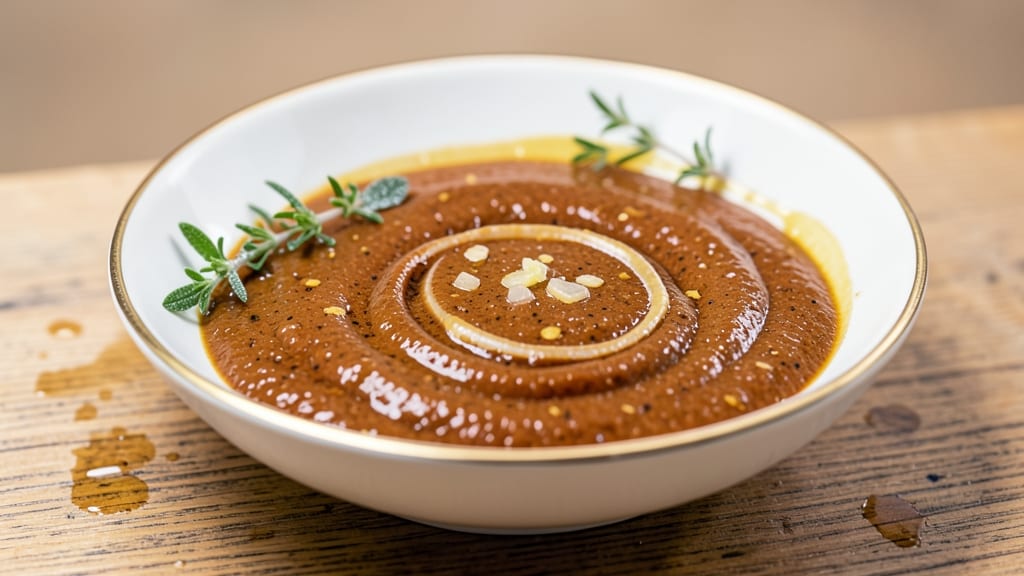
This all-purpose sauce recipe transforms ordinary meals into restaurant-quality dishes with just a few pantry staples and 15 minutes of effort. The secret lies in a simple roux-based technique that creates a velvety, flavorful base you can customize for any protein, grain, or vegetable.
I developed this after realizing most sauces share the same fundamental structure—just different seasonings and finishing touches.
The beauty of this sauce is its versatility. Start with a classic brown roux (butter and flour cooked until nutty), deglaze with wine or broth, then reduce until thick and glossy. This method works equally well for pan sauces, gravies, or even a quick drizzle for roasted vegetables.
The sauce keeps its rich texture when reheated, making it perfect for meal prep or last-minute dinner rescues.
What you'll end up with is a smooth, deeply flavorful sauce that clings beautifully to meats, coats pasta, or elevates simple sides. The technique is foolproof—no special equipment needed—and the flavor builds as it reduces, delivering that restaurant-quality depth at home.
Once mastered, you'll find yourself reaching for this base sauce more often than store-bought versions.
Store leftovers in the fridge for up to 5 days or freeze for months. Use it to elevate grilled chicken, drizzle over mashed potatoes, or toss with roasted vegetables. The possibilities are endless, and the results consistently impressive. Here's how to make it.
Ingredients for all purpose sauce
Six core ingredients and a roux technique unlock endless restaurant-quality sauces at home.
| Ingredient | Amount | Notes |
|---|---|---|
| Unsalted Butter 🧈 | ½ cup | Cold, cut into small cubes |
| All-Purpose Flour 🌾 | ½ cup | Sifted for smooth texture |
| Dry White Wine 🍷 | ½ cup | Bold, dry variety preferred |
| Vegetable Broth 💧 | 1 cup | Low-sodium preferred |
| Heavy Cream 🥛 | ¼ cup | Full-fat for richness |
| Shallots 🧅 | 2 whole | Minced, for aromatic base |
| Garlic Cloves 🧄 | 2 cloves | Minced, for depth |
| Diamond Crystal Kosher Salt 🧂 | ½ tsp | Adjust to taste |
| Freshly Ground Black Pepper 🌶️ | ¼ tsp | For balanced seasoning |
| Fresh Thyme Leaves 🌿 | 1 tsp | Or 0.25 tsp dried thyme |
The unsalted butter and all-purpose flour form the foundation—this is where the magic happens. For the roux, European-style butter (like Plugrá) yields a richer flavor, but any high-quality unsalted butter works. King Arthur or Gold Medal flour create the smoothest texture, but don't stress over brands here. The key is patience: cook the roux until it reaches a nutty brown color (about 5-7 minutes), stirring constantly to prevent burning. This step develops the deep, complex flavors that elevate any sauce. Whole Foods or Williams Sonoma carry excellent options if you're shopping for specialty ingredients, but your local grocery store's name-brand butter and flour will work perfectly fine.
No white wine? Dry vermouth or additional vegetable broth works beautifully—just add an extra splash of lemon juice for brightness. The shallots can be swapped for yellow onion (use half the amount), but they add a delicate sweetness that onions lack. Garlic powder at half the amount substitutes for fresh, though nothing beats the real thing. For those watching calories, light cream reduces richness slightly, but the sauce will still coat beautifully. Trader Joe's carries affordable, high-quality vegetable broth in convenient boxes, while Penzeys offers premium dried thyme if you prefer to invest in specialty herbs. The Diamond Crystal kosher salt is crucial—it dissolves completely, unlike table salt, which can leave a gritty texture.
This sauce reheats like a dream—simply warm over medium heat with a splash of water or broth to loosen. Store in airtight glass jars in the fridge for up to 5 days or freeze for 3 months. For long-term storage, portion into ice cube trays before transferring to freezer bags—perfect for quick meal assembly. The sauce thickens as it cools, so thin with broth or water when reheating. Double the batch and freeze half; you'll thank yourself later when you're scrambling to put dinner together on a busy night. The versatility is its greatest asset: use as a pan sauce for steak, drizzle over roasted vegetables, or toss with pasta for instant restaurant-quality results.
Why You'll Love This Recipe
- This is my go-to for everything: tossing with pasta, drizzling over roasted veggies, or even spooning onto grilled chicken. Honestly, I’ve used it for breakfast (yes, even on a Tuesday night) when I’m out of syrup. It’s that reliable.
- Pantry Magic: I swear by this sauce because it uses what I already have—no last-minute grocery runs. Butter, flour, wine, broth, cream? That’s it. The kind of recipe where you don’t even need to measure precisely; just eyeball it and trust the process.
- Velvet Smooth: Here’s what sold me—the way the white wine cuts through the richness of the butter and cream, while the flour thickens it just enough for that luxurious, velvety coat. It’s not heavy or cloying; it’s right, like a hug in sauce form.
- Weeknight Swiss Army: This is my go-to for everything: tossing with pasta, drizzling over roasted veggies, or even spooning onto grilled chicken. Honestly, I’ve used it for breakfast (yes, even on a Tuesday night) when I’m out of syrup. It’s that reliable.
Step-by-step instructions for velocity all-purpose sauce
Master this foundational sauce—its versatility will transform everyday meals into restaurant-quality dishes.
Create the Roux Foundation
In a medium saucepan over medium heat, melt the 0.5 cup unsalted butter until it foams and bubbles gently. Immediately whisk in the 0.5 cup all-purpose flour to form a smooth paste. This is your roux—the backbone of your sauce—and it needs constant attention to prevent burning.
Cook the roux for 2-3 minutes until it turns a pale golden color and smells nutty. You're looking for a texture that coats the back of a spoon but hasn't darkened to brown yet. This light roux will give your sauce a velvety texture without bitterness. If it starts to darken too quickly, reduce the heat slightly to maintain control.
Cook Aromatics Until Fragrant
Add the 2 minced shallots and 2 minced garlic cloves to the roux, stirring constantly for 1-2 minutes until they soften and release their aroma. The shallots should become translucent while the garlic should infuse the mixture with its pungent character. This step builds the flavor base that will carry through your entire sauce.
Next, sprinkle in the 0.5 tsp diamond crystal kosher salt, 0.25 tsp freshly ground black pepper, and 1 tsp fresh thyme leaves. Stir well to distribute the seasonings evenly throughout the roux. The thyme will add an herbal depth that pairs beautifully with both meat and vegetable dishes. Let these aromatics cook for another 30 seconds to fully meld with the roux.
Deglaze with Wine and Broth
Pour in the 0.5 cup dry white wine all at once and stir vigorously to scrape up any browned bits from the bottom of the pan. This deglazing step captures all the flavor that would otherwise stick to your pan. Let the wine simmer for 1-2 minutes until it reduces by about half and the alcohol smell dissipates completely.
Gradually whisk in the 1 cup vegetable broth, about ¼ cup at a time, allowing each addition to incorporate completely before adding more. This gradual approach prevents lumps from forming in your sauce. Continue cooking at a gentle simmer for 5-7 minutes until the mixture thickens noticeably and begins to coat the back of a spoon. You're aiming for a consistency that's thicker than heavy cream but still pourable.
Finish with Cream for Richness
Reduce the heat to low and stir in the 0.25 cup heavy cream. The sauce will immediately lighten in color and become more luxurious in texture. Let it simmer gently for another 2-3 minutes until it reaches your desired consistency. For a velvety finish, strain the sauce through a fine-mesh sieve to remove any thyme stems or shallot skins that might have hardened during cooking.
Taste and adjust the seasoning if needed—this is your chance to perfect the balance. The sauce should be flavorful but not overpowering, with the acidity of the wine and the richness of the cream complementing each other. This versatile sauce can now be used as-is for vegetables, reduced further for meat glazes, or thinned with additional broth for lighter applications.
Pro Tips For Making All Purpose Sauce
- WHISK THE ROUX FAST: Dump the flour into the melted butter all at once, then hit it with the whisk immediately—don’t wait for it to "settle." I used to let it sit for even 30 seconds, and the sauce would taste raw. Get that butter and flour dancing within 10 seconds to avoid flour clumps that turn to lumps later.
- DEGLAZE WITH HEAT: Pour the white wine into the roux after it’s golden (not brown) and let it sizzle for 30 seconds before scraping. Cold wine just sits there—heat helps it cut through the butter properly, so the sauce doesn’t turn greasy. (Yes, even if you’re impatient like me.)
- SALT THE BROTH: Season the vegetable broth before adding it to the sauce—don’t wait until the end. The flour soaks up salt like a sponge, and you’ll end up with bland, watery flavor if you add it last. A pinch of salt in the broth now means the whole sauce sings.
- STRAIN THE CREAM: Warm the heavy cream separately and strain it through a fine-mesh sieve before adding it to the sauce. Lumps of cream = lumpy sauce. I skip this 90% of the time, but when I’m serving something fancy, it’s the thing that matters most. (Your future self will notice.)
Storing and reheating your all purpose sauce
Fridge Storage
Transfer your all-purpose sauce to an airtight glass jar or silicone-lidded container while it's still warm to prevent condensation from forming. Let it cool completely before sealing—this helps maintain its texture.
I store mine in small glass jars (like Ball mason jars) in the fridge for up to 5 days. The sauce thickens slightly as it cools, so give it a quick whisk with a splash of warm water or broth before using to restore its ideal consistency. 💫
Freezer Prep
For long-term storage, portion the sauce into ice cube trays before transferring to freezer bags—this makes it perfect for quick meal assembly later. Label each bag with the date and sauce type (e.g., "All-Purpose Sauce"). The sauce keeps its quality for up to 3 months in the freezer.
When ready to use, thaw overnight in the fridge or quickly in a bowl of warm water for 5-10 minutes. Never microwave directly from frozen to avoid breaking the emulsion. ❄️
Reheating Like a Pro
My go-to method is stovetop reheating: place the sauce in a small saucepan over low-medium heat and add 1-2 tablespoons of water or broth to prevent sticking. Stir constantly until warmed through—about 3-5 minutes.
If the sauce separates, whisk in a splash of cold water or heavy cream to re-emulsify. For microwave reheating, use 30-second intervals on 50% power, stirring between each interval to avoid overheating. Always taste and adjust seasoning after reheating. 🔥
Reviving Thickened Sauce
If your sauce has thickened too much after storage, thin it with warm water, broth, or a splash of wine—about 1 tablespoon at a time—while whisking constantly. For a richer texture, stir in 1 teaspoon of cold butter or heavy cream.
If the sauce tastes flat, boost the flavor with a pinch of salt, a squeeze of lemon juice, or a sprinkle of fresh herbs. The key is patience—don't rush the process, or you risk ruining the sauce's delicate balance. ✨
Freezer-Friendly Tips
Double the batch and freeze half—you'll always be prepared for last-minute dinners. To prevent freezer burn, squeeze out excess air from freezer bags using a straw or vacuum sealer.
For even better results, freeze the sauce in small portions (like ¼ cup servings) so you can thaw exactly what you need. When reheating frozen sauce, start with low heat and gradually increase to avoid curdling.
The sauce may release some liquid when thawed, so plan to reduce it slightly if needed. 💡
Nutrition facts
Frequently asked questions
Can I make this sauce without wine?
Replace the 0.5 cup dry white wine with 0.5 cup vegetable broth plus 1 tablespoon lemon juice for acidity. The sauce will still develop depth—just add an extra pinch of salt to compensate for the missing wine's flavor. For a richer alternative, try 0.5 cup chicken or mushroom broth instead.
How can I adjust the thickness of this sauce?
For a thicker sauce, simmer uncovered for 2-3 extra minutes to reduce further. Need it thinner? Whisk in 1 tablespoon warm water or broth at a time until you reach your desired consistency. Remember, sauces thicken as they cool, so adjust while warm for the best results.
What are the best proteins to pair with this sauce?
This versatile sauce works beautifully with grilled chicken, steak, or pork chops—simply reduce it slightly and drizzle over the cooked protein. It also elevates roasted vegetables, mashed potatoes, or even pasta. For seafood lovers, try it with baked salmon or shrimp skewers—the creaminess balances perfectly with delicate fish flavors.
Why did my sauce turn lumpy?
Lumps usually happen when adding liquid too quickly or stirring too vigorously. For a smooth texture, always whisk in liquids gradually—about ¼ cup at a time—and keep heat at a gentle simmer. If lumps appear, blend the sauce briefly with an immersion blender or strain through a fine-mesh sieve. Prevention is key: patience during the roux stage makes all the difference!
Can I make this sauce dairy-free?
Yes! Swap the heavy cream for 0.25 cup full-fat coconut milk—it adds richness without dairy. For a lighter option, use 0.25 cup unsweetened almond milk plus 1 teaspoon cornstarch to thicken. The sauce will have a slightly different texture but still work beautifully as a pan sauce or drizzle.