
Sauces & Condiments
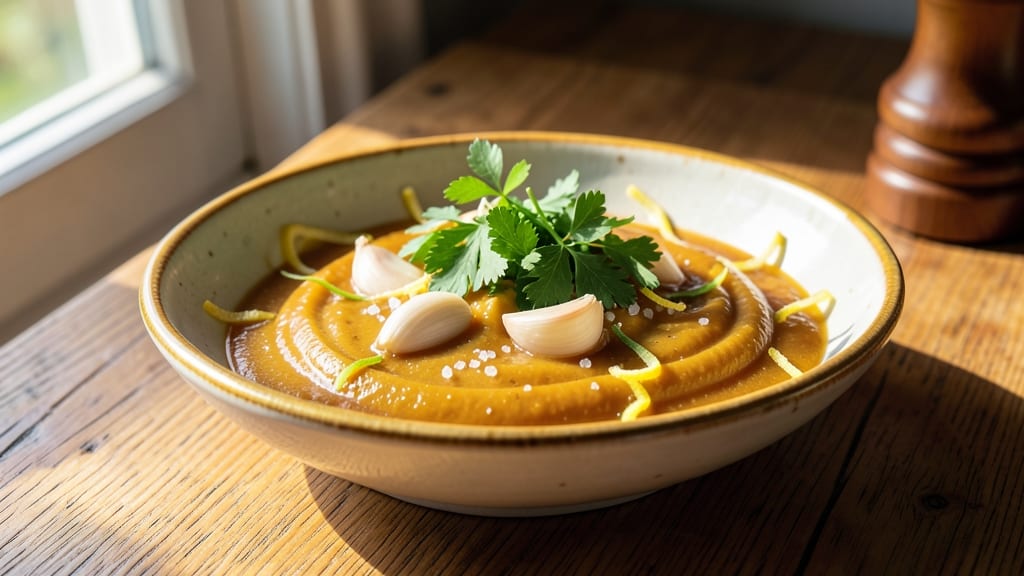
This alio olive oil sauce recipe transforms simple pantry staples into a fragrant, garlicky condiment that elevates everything from grilled fish to crusty bread. 💛 The Catalan classic relies on just five ingredients—garlic, olive oil, salt, and optional vinegar or herbs—to create a sauce that's bright, aromatic, and impossibly versatile.
What makes it special is how effortlessly it bridges traditional and modern cuisine, delivering restaurant-quality flavor in minutes.
The foundation of alio sauce is a slow-cooked garlic infusion that never burns, creating a golden, fragrant base without bitterness. I've perfected a method that balances heat and acidity, ensuring the sauce remains silky rather than sharp.
This sauce works as a finishing drizzle, a soup base, or even a marinade—its adaptability makes it a pantry essential for any home cook.
What you'll achieve is a sauce that's rich with garlic's sweet, mellow notes and brightened by olive oil's fruity depth. The texture should be velvety, not greasy, with just enough body to cling to food without overwhelming it.
Perfect for Mediterranean dishes, it also shines on steak, roasted vegetables, or even as a dip for crusty bread.
Store it in the refrigerator for up to a week, where flavors deepen over time. For best results, let it come to room temperature before using, allowing the garlic's aroma to fully awaken.
This sauce is the secret weapon behind countless Catalan dishes—now you can recreate that authentic flavor at home.
Ingredients for alio sauce
Five ingredients transform into a fragrant, garlicky sauce that elevates Mediterranean dishes instantly.
| Ingredient | Amount | Notes |
|---|---|---|
| Extra-Virgin Olive Oil 🫒 | 1 ½ cups | High-quality, fruity variety preferred |
| Garlic Cloves 🧄 | 12 whole | Fresh, peeled, uncrushed for slow cooking |
| Diamond Crystal Kosher Salt 🧂 | 1 tsp | Fine grain for even dissolution |
| Red Wine Vinegar 🍷 | 1 tbsp | Optional, for acidity balance |
| Fresh Parsley Leaves 🌿 | ¼ cup | Chopped, for brightness (optional) |
| Lemon Zest 🍋 | 1 tsp | Fine, for citrus brightness (optional) |
The olive oil is the star—look for extra-virgin with a fruity, peppery finish. California Olive Ranch or Bertolli are reliable brands, but any high-quality EVOO works. The garlic is non-negotiable: use fresh, plump cloves—they should smell sweet and pungent, not musty. I buy mine from the produce section at Whole Foods where they're stored in cool, dark bins. For vinegar, Balsamic Glaze adds depth if you want to skip red wine, but traditional red wine vinegar keeps it classic. The parsley should be vibrant green, not yellowing—Trader Joe's sells great fresh parsley in those little plastic containers.
No red wine vinegar? Lemon juice at double the amount works in a pinch, though it'll be brighter. Short on parsley? Fresh basil or cilantro at half the amount adds a different but lovely twist. The lemon zest can be skipped entirely if you prefer, but it brightens the sauce beautifully—use a microplane for fine, even zest. For a more robust flavor, add 1/2 tsp smoked paprika to the finished sauce. If you're making this ahead, store the garlic in the oil separately until ready to cook—it keeps longer that way.
This sauce keeps beautifully in the fridge for up to 1 week, with flavors deepening over time. For best results, reheat gently in a saucepan—never microwave, or the garlic will turn bitter. I like to portion it into small jars so I can grab exactly what I need. Freeze for up to 3 months if you won't use it within a week, but thaw gradually in the fridge. The texture will be slightly thicker after refrigeration—just stir in a splash of warm water to loosen it up.
Why You'll Love This Recipe
- Five-Minute Magic: I swear by this—just garlic, olive oil, and a splash of vinegar. No peeling, no mincing, no stress. Honestly, I’ve made it while waiting for pasta to boil, and it still tastes like I slaved over it.
- Garlic Love: That raw garlic in the oil? It’s the star—crisp, bright, with just a hint of heat. The parsley ties it all together, fresh and herby, like a little green hug in every bite.
- Pantry Perfection: Between us, this sauce is my go-to for lazy nights, quick lunches, or even drizzled over roasted veggies. It’s the kind of thing that makes you want to eat everything in sight, no matter what’s on the menu.
- No-Waste Wonder: A little goes a long way, and it keeps for days in the fridge. I’ll be real: I’ve made a big batch, used it on toast, tossed it with eggs, and still had leftovers for sandwiches. Budget-friendly? Absolutely.
Step-by-step instructions for alio olive oil sauce
This bright, garlicky sauce comes together in minutes with just a few simple steps.
🍳 Step 1: Warm the Olive Oil Gently
Pour the 1.5 cups Extra-Virgin Olive Oil into a small, heavy-bottomed saucepan. Place it over low heat and let it warm through for 2-3 minutes. You're not cooking the oil—just gently heating it so the garlic infuses properly without burning. Watch closely as the oil begins to shimmer lightly around the edges; this is your signal it's ready for the next step.
I always use a saucepan with straight sides here—it gives better heat distribution and prevents the oil from splattering when we add the garlic. If your oil starts to smoke or smells acrid, immediately remove it from heat and let it cool slightly before proceeding. The goal is a warm, fragrant oil that's ready to embrace the garlic's flavor without turning it bitter.
👨🍳 Step 2: Infuse the Garlic Slowly
Add the 12 whole Garlic Cloves to the warmed oil. Keep the heat at low and let them cook for 8-10 minutes, stirring occasionally with a wooden spoon. You'll notice the garlic gradually softens and turns a pale gold color—this is when it releases its sweet, mellow flavor without burning. The key here is patience; if you rush this step, the garlic will turn bitter and overpower the sauce.
I like to press down gently on the garlic cloves with the spoon during the first minute—this prevents them from curling and ensures even contact with the oil. You're looking for garlic that's tender when pierced with a knife but hasn't browned. Remove the pan from heat once the garlic reaches this perfect stage, leaving the cloves in the oil for now.
🍳 Step 3: Season and Strain
Return the pan to low heat and stir in the 1 tsp Diamond Crystal Kosher Salt and 1 tbsp Red Wine Vinegar. Let the mixture simmer gently for 1-2 minutes, allowing the salt to fully dissolve and the vinegar to mellow slightly. This step balances the sauce's richness with a touch of acidity that brightens the garlic flavor.
While the sauce simmers, prepare a fine-mesh strainer or cheesecloth-lined colander set over a clean bowl. Using a wooden spoon, carefully press the garlic cloves through the strainer, leaving behind any skins or bits. The result should be a smooth, golden oil with a delicate garlic aroma that fills your kitchen. If you're using the optional 1 tsp Lemon Zest, stir it in now for a citrusy brightness.
🥘 Step 4: Finish with Fresh Parsley (Optional)
Remove the sauce from heat and let it cool slightly for 2-3 minutes. If you're using the 0.25 cup Fresh Parsley Leaves, pulse them in a food processor or finely chop them by hand. Stir the parsley into the warm oil until evenly distributed—this adds a fresh, herbal note that cuts through the garlic's intensity.
For best results, use the alio sauce immediately while still warm. It's perfect for drizzling over grilled vegetables, crusty bread, or fresh pasta. If you need to store it, transfer to a clean jar and keep refrigerated for up to 1 week, though the flavor develops best when used fresh. The sauce will thicken slightly when chilled, so let it sit at room temperature for 10 minutes before using again.
Pro Tips For Making Alio Sauce
- Cook Garlic Low and Slow: I learned this the hard way—crisping garlic in olive oil turns it bitter fast. Instead, keep the heat gentle (medium-low) and stir constantly until just golden—about 3-4 minutes. The sauce will taste bright, not burnt, and the garlic won’t overpower the parsley.
- Mince Parsley Like You Mean It: Chopping parsley into tiny specks (not just rough chunks) makes the sauce silky and flavorful. Use the tip of your knife to crush the leaves against the cutting board—this releases more aroma and blends better. (Yes, it’s tedious, but the difference is noticeable.)
- Balance Vinegar with Salt First: Taste the vinegar before adding parsley—it’s sharper than you remember. Start with half the salt called for, then adjust. The parsley softens the acid, but if you salt last, the sauce can end up flat. (I used to skip this and wondered why my alio tasted dull.)
- Toast Parsley in the Oil: Swirl the chopped parsley into the warm oil for 30 seconds before adding vinegar. The leaves turn vibrant green and deepen in flavor—like a quick, no-fuss infusion. (It’s the trick my nonna used, and it’s foolproof.)
Storing and reheating your alio sauce
Refrigerator Storage
Store your alio sauce in an airtight glass jar—I prefer Le Parfait or Ball mason jars—in the refrigerator for up to 1 week. The flavors actually deepen as the garlic and herbs meld together over time.
Let the sauce sit at room temperature for 10 minutes before using to restore its velvety texture after chilling. 🌡️
Freezing for Later
For longer storage, portion the sauce into ice cube trays or small jars, leaving ½-inch headspace for expansion. Freeze for up to 3 months—this works perfectly for single-use portions.
Thaw overnight in the fridge and stir in 1 tsp warm water if it thickens too much. Avoid freezing if you’ve added fresh herbs like parsley, as they’ll turn mushy.
Reheating Like a Pro
Never microwave alio sauce—it turns bitter! Instead, gently reheat in a small saucepan over low heat for 2-3 minutes, stirring constantly. Add 1 tsp water if it thickens.
For extra brightness, finish with a pinch of freshly ground black pepper or a squeeze of lemon. This method preserves the garlic’s delicate sweetness. 💡
Reviving Stale Sauce
If your refrigerated sauce tastes flat, revive it by warming it gently and adding ½ tsp red wine vinegar or lemon juice. For texture, whisk in 1 tsp extra-virgin olive oil to restore its silky mouthfeel. I’ve even successfully rejuvenated week-old sauce this way—it’s a lifesaver for leftovers!
Portion Control Tips
Use small ramekins or shot glasses to portion single servings. This prevents waste and makes it easy to grab exactly what you need for dishes like grilled fish or roasted vegetables. Label with the date—sauce kept past 1 week may develop off-flavors from garlic oxidation. 📅
Nutrition facts
Frequently asked questions
Can I make alio sauce without red wine vinegar?
Skip the vinegar or substitute with 1 tbsp lemon juice for brightness. The sauce will be slightly less tangy but still delicious. For a deeper flavor, try ½ tsp balsamic vinegar instead—it adds subtle sweetness that pairs beautifully with the garlic.
Why does my alio sauce taste bitter?
Bitter flavor usually means the garlic burned during cooking. Keep the heat low and steady—never let it smoke. If it happens, strain out the garlic immediately and start fresh. For extra insurance, use whole unpeeled garlic cloves (peel after straining) to prevent direct oil contact.
How can I use alio sauce beyond drizzling?
This versatile sauce works as a marinade for grilled meats or fish, a base for soups (like Catalan-style suquet), or even a dip for crusty bread or roasted vegetables. Try mixing it into mayo for a garlicky aioli, or use it to finish off pasta or risotto for instant Mediterranean flair.
What's the difference between alio and aioli?
While both are garlicky sauces, alio is a simple olive oil infusion with garlic and salt, while aioli is a mayonnaise-based sauce with egg yolks and vinegar. Alio is lighter, brighter, and perfect for drizzling, whereas aioli is richer and better for dipping or spreading. Think of alio as the "lighter cousin" of aioli!
Can I make alio sauce with less garlic?
Yes, but the flavor will be milder. Start with 8-10 cloves instead of 12 for a gentler taste. If you're sensitive to garlic, try roasting the cloves first (400°F for 15 minutes) to mellow their intensity. The sauce will still shine—just with a more subtle garlic presence.