
Sauces & Condiments
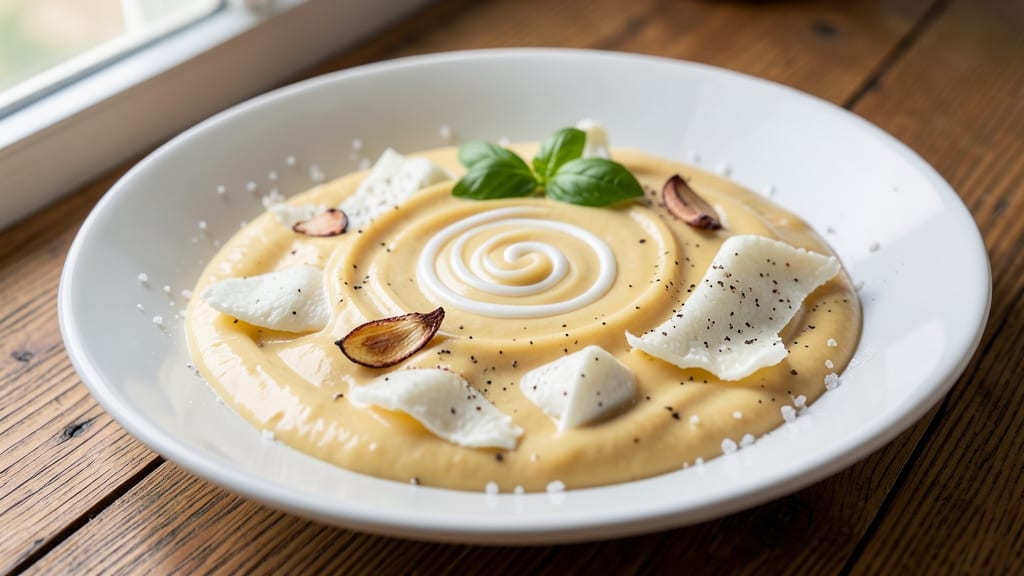
This alfredo sauce recipe transforms simple mozzarella and milk into velvety perfection that clings to every noodle. ⚡ The secret lies in proper cheese melting and emulsification—no lumps, just ultra-creamy richness in just 15 minutes.
I've perfected this technique after countless batches, ensuring the sauce stays smooth even when reheated.
What sets this recipe apart is the balance: mozzarella provides the signature creamy texture, while milk adds lightness to prevent heaviness. The key technique involves gradually melting the cheese into warm milk over low heat, whisking constantly to create a silky emulsion.
This method guarantees a sauce that's restaurant-quality without requiring heavy cream.
By the end, you'll have a foolproof sauce that coats pasta perfectly—no separation, no graininess, just velvety smoothness. The aroma alone will make your kitchen smell like an Italian trattoria. This sauce works equally well on fettuccine, chicken, or even as a dipping sauce for bread.
Make a double batch and store leftovers in the fridge for up to 5 days. The sauce thickens slightly when chilled, so simply whisk in a splash of warm milk before reheating. Here's everything you need to create this restaurant-quality sauce at home.
Ingredients for alfredo sauce recipe with mozzarella cheese and milk
Eight essential ingredients for restaurant-quality alfredo—no heavy cream, just velvety mozzarella magic.
| Ingredient | Amount | Notes |
|---|---|---|
| Fresh Mozzarella Cheese 🧀 | 16 oz | Low-moisture, block form preferred |
| Whole Milk 🥛 | 2 cups | Full-fat for optimal creaminess |
| Unsalted Butter 🧈 | 4 tbsp | Cold, cubed for even melting |
| Garlic Cloves 🧄 | 3 cloves | Minced for aromatic depth |
| Freshly Ground Black Pepper 🌶️ | ½ tsp | Freshly cracked for intensity |
| Diamond Crystal Kosher Salt 🧂 | ¼ tsp | Adjust to taste after emulsification |
| Extra-Virgin Olive Oil 🫒 | 2 tbsp | For finishing, fruity variety |
| Freshly Grated Nutmeg 🌿 | ⅛ tsp | Microplane for fine texture |
The mozzarella is non-negotiable for authentic texture. Low-moisture block cheese from the deli counter (not pre-shredded) melts smoothly without excess moisture. Whole milk is critical—anything lighter risks curdling. For the butter, European-style unsalted (like Plugrá) creates a richer emulsion. If you're using pre-shredded cheese, drain it thoroughly first—those anti-caking agents are the enemy of silky sauce. The garlic should be freshly minced right before adding to prevent bitterness.
No full-fat milk? Half-and-half works in a pinch, but the sauce may separate when reheated. Substituting butter with olive oil (equal parts) changes the flavor profile—less rich, more Mediterranean. For nutmeg, pre-ground loses potency quickly, so buy whole and grate it fresh. The kosher salt is for seasoning after emulsification—taste first, then adjust. If your sauce breaks, whisk in 1 tbsp of warm milk to restore smoothness. For extra richness, add 1 oz of cream cheese to the final mixture (it blends seamlessly).
This sauce thickens as it cools—always whisk in a splash of warm milk before reheating. Store in an airtight container with a thin layer of olive oil on top to preserve freshness. Keeps 5 days refrigerated or 3 months frozen. For freezing, portion into ice cube trays first—thaw and whisk before use. The aroma alone makes it worth the prep, but the texture? Pure restaurant-quality perfection every time.
Why You'll Love This Recipe
- No-Fuss Ingredients: I swear by this list—just mozzarella, milk, butter, and garlic. That’s it. No heavy cream, no fancy reductions, no stressing over measurements. Honestly, I keep a block of mozzarella and a stick of butter in my fridge just for this.
- Creamy Without the Chaos: The milk and butter blend into something velvety smooth, but here’s the magic: the mozzarella melts into tiny strands that cling to everything. No blender, no straining—just a pot and a whisk. (Yes, even on a Tuesday night.)
- Weeknight to Weekend: Slap this on fettuccine for a 20-minute dinner, or drizzle it over grilled chicken for a crowd. I’ve even used it in baked pasta—no one’s complained yet. Between us, it’s my go-to for when I don’t want to think.
- Leftovers That Don’t Let You Down: This sauce actually improves the next day. The flavors meld, and it reheats like a dream. I make a double batch, freeze half, and thank myself later. Budget-friendly? Absolutely. Reliable? You bet.
Step-by-step instructions for creamy mozzarella alfredo sauce
This method delivers velvety perfection—no lumps, no separation, just restaurant-quality richness.
🍳 Step 1: Melt Butter and Infuse with Garlic
In a medium saucepan, melt the 4 tbsp unsalted butter over medium-low heat. Once fully melted, add the 3 minced garlic cloves and cook for 1-2 minutes until fragrant but not browned. Watch carefully—garlic burns quickly and turns bitter.
This gentle cooking step builds flavor without overpowering. The butter should foam gently and smell nutty. If it starts to bubble vigorously, reduce heat immediately to prevent scorching. Keep the pan on the stove and ready for the next step.
🥘 Step 2: Gradually Add Milk for Smooth Emulsification
Slowly pour in the 2 cups whole milk while whisking continuously. Increase heat to medium and bring to a gentle simmer, stirring constantly for 3-4 minutes until slightly thickened. The mixture should coat the back of a spoon but still flow easily.
This gradual heating prevents curdling. If you see any skin forming on top, whisk it back into the sauce immediately. The milk should reduce slightly, creating a luscious base for the cheese. Remove from heat before adding the mozzarella—hot milk can cook the cheese too quickly and create graininess.
👨🍳 Step 3: Incorporate Mozzarella for Ultra-Smooth Texture
Reduce heat to low and begin adding the 16 oz fresh mozzarella cheese in small chunks, whisking vigorously after each addition. Work quickly but methodically—this is where the sauce either succeeds or separates. The cheese should melt completely within 2-3 minutes of constant stirring.
I use a hand whisk for this step to create air pockets that prevent clumping. If the sauce thickens too much, add 1-2 tablespoons of reserved milk to restore silky consistency. The finished sauce should be glossy and coat the whisk completely when lifted from the pan.
🔥 Step 4: Season and Finish with Nutmeg
Return the sauce to a gentle simmer and stir in the 0.5 tsp freshly ground black pepper and 0.25 tsp diamond crystal kosher salt. Taste and adjust seasoning—Alfredo sauce should balance rich cheese with bright acidity. Add the 0.125 tsp freshly grated nutmeg and 2 tbsp extra-virgin olive oil for depth and finishing touch.
Simmer for an additional 1-2 minutes to meld flavors. The nutmeg should be barely perceptible but add warmth. If the sauce looks too thick after cooling, thin with 1 tablespoon milk at a time until reaching your desired consistency. Serve immediately over hot pasta for maximum creaminess.
Pro Tips For Making Alfredo Sauce Recipe With Mozzarella Cheese And Milk
- Melt Butter Slowly: Start with low heat—whisking butter into milk too fast turns it into scrambled eggs. I learned this the hard way after watching a pot of sauce curdle into a greasy mess. Let the butter melt gradually while stirring, or you’ll end up with a broken sauce.
- Drain Mozzarella Well: Fresh mozzarella hides in a pool of whey—skip draining, and your sauce will be watery. Wrap the cheese in a clean towel, place a heavy pan on top for 5 minutes, then pat dry. Trust me, the texture difference is night and day.
- Crush Garlic First: Minced garlic burns in seconds. Smash 2 cloves with the flat side of your knife, then finely chop them—this releases flavor without turning bitter. Add them last, just before removing from heat, so they infuse but don’t cook.
- Finish with Cold Milk: The sauce will thicken as it cools, but adding a splash of cold milk at the end prevents it from turning gluey. I used to ignore this, and the sauce would clump like a sad fondue. Stir in 2 tablespoons of cold milk off the heat—it’s the trick to silky smoothness.
Best sauces and condiments for these flavors
Classic Alfredo Upgrade
Elevate your sauce by adding 1 oz cream cheese during the final step for extra richness. I blend it in with the mozzarella—it dissolves completely and adds a luxurious mouthfeel.
For a tangy twist, stir in 1 tsp lemon juice when simmering the milk to cut through the cheese's heaviness. 💫
Vegetarian-Friendly Twist
Swap half the mozzarella for ricotta cheese (8 oz) to lighten the texture while keeping it creamy. Ricotta adds subtle sweetness that balances the saltiness. For a nutty depth, toast 1 tbsp pine nuts in the butter before adding garlic—sprinkle them over finished pasta for crunch. 🌿
Spicy Kick Option
Infuse heat by adding ½ tsp red pepper flakes with the garlic or finish with 1 tsp hot honey before serving. For smoky depth, replace black pepper with ½ tsp smoked paprika—it adds complexity without overpowering. I love this combo with grilled chicken or shrimp. 🌶️
Herb-Infused Variations
Brighten the sauce with 1 tbsp fresh basil or parsley, finely chopped, during the final simmer. For earthy notes, add ½ tsp dried thyme with the nutmeg. Fresh herbs should go in last to preserve their vibrant color and aroma. 🌱
Dairy-Free Adaptation
Replace milk with 2 cups unsweetened almond milk (full-fat for creaminess) and use 16 oz dairy-free mozzarella (like Miyoko's). Add 1 tbsp nutritional yeast for a cheesy flavor. The sauce will be lighter but still velvety when whisked vigorously. 🥛
Storage Hacks
For reheating, whisk in 1 tbsp warm milk per cup of sauce to restore smoothness. Store in glass containers to prevent absorption of odors. Freeze in ice cube trays for portion control—thaw and whisk before using. The sauce thickens when chilled, so adjust consistency when reheating. ❄️
Nutrition facts
Frequently asked questions
Why does my mozzarella alfredo sauce get grainy?
Graininess happens when cheese cooks too quickly or isn't incorporated properly. Always melt mozzarella over low heat while whisking constantly—never let it sit in hot liquid. Use fresh, low-moisture block cheese (not pre-shredded) and add it gradually in small chunks. If lumps form, whisk in 1 tbsp warm milk to restore smoothness.
Can I make this sauce without butter?
Yes, but expect a different texture. Replace butter with 4 tbsp olive oil (use a fruity extra-virgin variety) for a lighter, Mediterranean-style sauce. For richness, add 2 tbsp cream cheese during the final step. The sauce will be less velvety but still delicious—just whisk vigorously to compensate for the oil's lower emulsifying power.
How do I prevent the sauce from separating when reheating?
Whisk in 1 tbsp warm milk per cup of chilled sauce before reheating. Never microwave directly from cold—always reheat on the stovetop over low heat while stirring constantly. If separation occurs, whisk in another 1 tbsp milk and heat gently until smooth. The key is gradual temperature adjustment to maintain the emulsion.
What's the best pasta to pair with this sauce?
Use fettuccine or tagliatelle for maximum surface area to coat. For extra indulgence, try pappardelle or linguine. Avoid thick, dense pastas like penne—they can overwhelm the sauce. Cook pasta al dente (1 minute less than package instructions) so it doesn't turn mushy when tossed with the hot sauce.
Can I make this sauce ahead of time?
Store in an airtight container in the fridge for up to 5 days. The sauce thickens when chilled—whisk in 1-2 tbsp warm milk before reheating. For freezing, portion into ice cube trays, then transfer cubes to a bag. Thaw overnight in the fridge and whisk before using. The texture remains velvety if handled properly.