
Sauces & Condiments
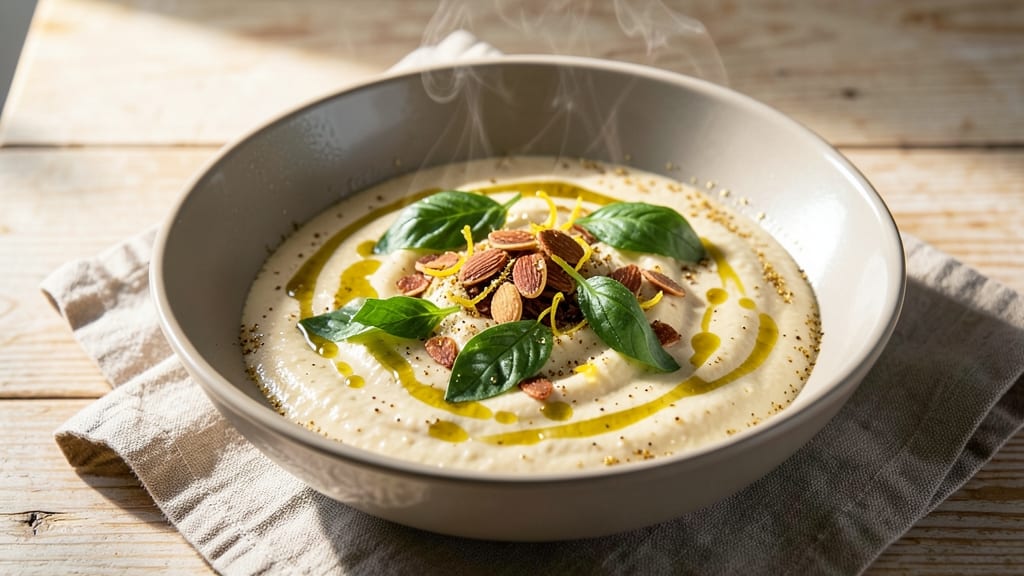
This alfredo sauce recipe with coconut milk transforms creamy pasta nights without dairy—rich, velvety, and packed with umami depth. The secret lies in blending coconut milk with garlic, nutritional yeast, and a touch of lemon juice for brightness, creating a sauce that clings to fettuccine like restaurant-quality perfection.
No heavy cream, no guilt—just velvety texture and bold flavor in under 15 minutes.
What sets this recipe apart is the balance of ingredients: coconut milk provides the creamy base, while nutritional yeast delivers that unmistakable cheesy note. A splash of pasta water ensures the perfect consistency, and simmering gently prevents separation.
The result is a sauce that’s smooth, flavorful, and adaptable—ideal for vegan Alfredo dishes or anyone watching their dairy intake.
By the time you twirl that first forkful, you’ll taste layers of garlic, a hint of tang, and the comforting richness of coconut milk. This sauce works equally well over fettuccine, roasted vegetables, or even as a dip for grilled chicken.
The best part? It’s foolproof—no lumps, no curdling, just pure, creamy satisfaction.
The versatility doesn’t stop there. Double the batch and freeze for quick weeknight meals, or adjust the thickness with more pasta water or a splash of coconut milk.
Pair it with fresh herbs like basil or parsley for an extra pop of freshness. Let’s make this creamy, dairy-free Alfredo sauce that everyone will ask for.
Ingredients for alfredo sauce recipe with coconut milk
Nine simple ingredients create restaurant-quality Alfredo sauce without dairy.
| Ingredient | Amount | Notes |
|---|---|---|
| Full-Fat Coconut Milk 🥥 | 1 ½ cups | Canned, well-shaken for creaminess |
| Nutritional Yeast 🍞 | ½ cup | Fortified, for cheesy flavor |
| Garlic Cloves 🧄 | 4 cloves | Fresh, minced for aromatic depth |
| Extra-Virgin Olive Oil 🫒 | ¼ cup | High-quality, for richness |
| Fresh Lemon Juice 🍋 | 1 tbsp | Brightens the sauce |
| Vegetable Broth 💧 | ½ cup | Low-sodium, for depth |
| Salt 🧂 | ½ tsp | Kosher or sea salt |
| Black Pepper 🌶️ | ¼ tsp | Freshly ground preferred |
| Fresh Basil Leaves 🌿 | ¼ cup | Chopped, for freshness |
| Pasta Water 🍝 | ¼ cup | Reserved from cooking pasta |
The coconut milk is the star here—full-fat canned gives the best creaminess (none of that watery stuff). Grab the Thai Kitchen brand at most grocery stores; it’s affordable and reliable. Nutritional yeast is a must for that cheesy flavor—Bob’s Red Mill is my go-to brand, but any fortified variety works. Fresh garlic is non-negotiable; pre-minced jars lack depth. For the olive oil, California olive oil brands like Corto or Bertolli add a fruity note that complements the coconut beautifully. If you’re short on time, jarred minced garlic works in a pinch, but fresh is always better.
No coconut milk? Cashew cream (blend soaked cashews with water) mimics the texture, though it’s slightly thinner. Short on nutritional yeast? White miso paste (1 tsp) adds umami depth, though the cheesy note will be milder. Fresh basil wilting? Dried basil at half the amount keeps the flavor, just without the fresh pop. The lemon juice can be swapped for white wine vinegar if you prefer a sharper tang. For extra richness, add 1 tbsp vegan butter at the end—it melts right into the sauce without curdling. The pasta water is key for consistency; always reserve a cup while cooking your noodles.
This sauce reheats beautifully—just warm gently on the stove with a splash of water or coconut milk if it thickens. Store leftovers in an airtight container in the fridge for up to 5 days. For longer storage, freeze in ice cube trays; thaw overnight in the fridge. The sauce thickens as it cools, so add a splash of pasta water or coconut milk when reheating. If making ahead, whisk vigorously before serving to restore that silky texture. Pairs perfectly with fettuccine, grilled veggies, or roasted chicken—just drizzle and enjoy.
Why You'll Love This Recipe
- No-Fuss Blend: The coconut milk and olive oil blend together in seconds—no whisking, no straining, just a quick shake in a jar. Honestly, I’ve made this while waiting for pasta water to boil, and it still comes out silky smooth.
- Umami Magic: That nutritional yeast? It’s the secret weapon—adding a cheesy, savory depth without dairy. The lemon brightens it just enough to cut through the richness, so it’s never heavy.
- Weeknight Hero: Drizzle it over fettuccine, toss it with roasted veggies, or slather it on grilled chicken—it’s my go-to when I’m too tired to fuss. Between us, it’s saved me from takeout more times than I can count.
- Budget Stretch: Full-fat coconut milk is the MVP here—it’s cheaper than heavy cream but just as luscious. A single can makes enough for two meals, and the leftovers? Even better reheated the next day.
Step-by-step instructions for Alfredo sauce with creamy coconut milk
Here's how to create a rich, dairy-free alfredo that's silky smooth and packed with flavor.
Sauté Garlic Until Fragrant
Heat the 0.25 cup extra-virgin olive oil in a medium saucepan over medium-low heat. Add the 4 minced garlic cloves and cook for 1-2 minutes until the garlic becomes golden and releases its aroma—this prevents bitterness. Be careful not to let it brown, as that would create an unpleasant taste.
I like to stir constantly during this step to ensure even cooking. The garlic should smell intensely aromatic when ready. This foundational step builds the sauce's flavor profile, so don't rush it. If your garlic burns easily, reduce the heat slightly or remove the pan from heat momentarily while stirring.
Build the Base with Coconut Milk and Broth
Pour in the 1.5 cups full-fat coconut milk and 0.5 cup vegetable broth, stirring to combine. Increase heat to medium-high and bring the mixture to a gentle simmer. Let it cook for 5-6 minutes until the liquid reduces slightly and becomes slightly thickened.
This reduction step concentrates the flavors and creates a velvety texture. You'll notice the sauce starts to coat the back of a spoon, which indicates proper thickening. If it reduces too quickly, lower the heat to maintain a gentle simmer—you want to avoid scorching the coconut milk.
Incorporate Nutritional Yeast and Seasonings
Reduce heat to low and stir in the 0.5 cup nutritional yeast, 0.5 tsp salt, and 0.25 tsp black pepper. Add the 1 tbsp fresh lemon juice next, which brightens the rich coconut flavor. Let the sauce simmer for another 3-4 minutes to allow all the ingredients to meld together.
The nutritional yeast is what gives this sauce its characteristic cheesy flavor without any dairy. Stir constantly during this final simmer to prevent any ingredients from settling at the bottom. You'll know the sauce is ready when it's smooth and all the seasonings are fully incorporated.
Finish with Fresh Basil and Pasta Water
Remove the sauce from heat and stir in the 0.25 cup chopped fresh basil leaves. Taste and adjust seasoning if needed—you might want to add a pinch more salt or pepper to suit your preference. If the sauce is too thick, stir in the 0.25 cup pasta water 1 tablespoon at a time until you reach your desired consistency.
This final step adds freshness and balances the richness of the coconut milk. The pasta water helps achieve the perfect silky texture that clings beautifully to noodles. Let the sauce sit for 2-3 minutes off the heat before serving to allow the flavors to fully develop.
Pro Tips For Making Alfredo Sauce Recipe With Coconut Milk
- Bloom the Garlic First: Toss your minced garlic into the olive oil over low heat for 30 seconds—just until fragrant, not browned. I learned this the hard way: charred garlic turns bitter and overpowers the coconut milk’s creamy balance. Keep the heat gentle, or you’ll regret it.
- Strain the Coconut Milk: Unless you’re using ultra-smooth canned milk, strain it through a fine-mesh sieve before adding. The leftover pulp clumps and makes the sauce grainy—trust me, it’s a game-changer. Takes 30 seconds but saves you from scraping lumps off your plate later.
- Simmer, Don’t Boil: Keep the sauce at a barely bubbling simmer, not a rolling boil. Coconut milk curdles fast when it gets aggressive, and you’ll end up with a lumpy mess instead of velvety richness. Stir often and watch it like a hawk—especially in those first 5 minutes.
- Zest the Lemon Last: Add the lemon juice early for acidity, but save the zest until the very end. It burns off quickly and loses its bright, citrusy punch if cooked too long. Sprinkle it in at the finish, then toss—it’ll make the sauce sing without bitterness.
Storing and reheating your alfredo sauce recipe with coconut milk
Fridge Storage Tips
Store your coconut milk Alfredo sauce in an airtight container (I love Pyrex glass jars for this) and refrigerate for up to 5 days. The sauce thickens as it cools—simply whisk in 1-2 tablespoons of warm water or coconut milk before reheating to restore its silky texture.
The flavors actually deepen overnight, making it perfect for meal prep. 🥥
Freezer-Friendly Method
For longer storage, freeze the sauce in ice cube trays—each cube makes a perfect single-serving portion later. Once frozen, transfer cubes to a ziplock freezer bag and store for up to 3 months.
To use, thaw overnight in the fridge, then gently reheat on the stove with a splash of water. The sauce may separate slightly after freezing, so whisk vigorously before serving. ❄️
Reheating Like a Pro
For stovetop reheating, warm the sauce over low-medium heat in a saucepan, stirring constantly to prevent scorching. If it thickens too much, add 1 tablespoon of pasta water or coconut milk at a time until smooth.
Microwave reheating? Use 50% power in 30-second intervals, stirring between each, until heated through. Never microwave at full power—it can make the sauce grainy. 🔥
Sauce Consistency Hacks
If your reheated sauce is too thick, thin it with warm pasta water (the starch helps rebuild creaminess). For extra richness, stir in 1 teaspoon of vegan butter or a splash of cashew cream while reheating.
Always taste and adjust seasoning—reheated sauce often needs a pinch more salt or black pepper to brighten flavors. The key is gentle heat and patience. ✨
Make-Ahead for Meals
Double the recipe and store half for future meals—I often make a big batch on Sundays. When reheating for pasta, add the sauce directly to the cooked noodles (off heat) to prevent overcooking.
For baked dishes, brush the sauce onto veggies or chicken just before serving to keep it fresh. The sauce's versatility makes it a pantry staple worth prepping ahead. 💡
Avoiding Curdling
Never boil the sauce when reheating—gentle heat is key to prevent separation. If you notice oil separating, whisk vigorously and add 1 teaspoon of arrowroot powder mixed with water to help emulsify.
For extra insurance, stir in 1 tablespoon of coconut cream (the thick part from a can) while reheating. The goal is to maintain that velvety, restaurant-quality texture every time. 💪
Nutrition facts
Frequently asked questions
Why does this coconut milk Alfredo sauce taste different from traditional dairy-based Alfredo?
The coconut milk adds a subtle sweetness and richness, while nutritional yeast provides that classic cheesy umami flavor. The lemon juice brightens the sauce, balancing the coconut's natural sweetness. The result is creamy but lighter than heavy cream, with a more complex flavor profile that many find surprisingly delicious.
Can I use light coconut milk instead of full-fat for this recipe?
Not recommended—light coconut milk contains more water and will make your sauce thin and watery. Full-fat canned coconut milk (like Thai Kitchen brand) provides the necessary creaminess. If you're out of full-fat, blend soaked cashews with water for a similar texture, but expect slightly different flavor notes.
What's the best way to fix a sauce that's too thick after reheating?
Stir in 1 tablespoon of warm pasta water or coconut milk at a time until smooth. The starch in pasta water helps rebuild creaminess without thinning the flavor. For extra insurance, whisk in 1 teaspoon of arrowroot powder mixed with water to help emulsify any separated coconut oils.
Does this sauce work well with non-pasta dishes?
This versatile sauce works beautifully over roasted vegetables, grilled chicken, or even as a dip for veggie sticks. The creamy texture pairs well with crispy textures, and the flavor profile complements both savory and slightly sweet dishes. Try brushing it on baked potatoes or mixing it into veggie curries for extra richness.
How do I prevent the coconut milk from separating when simmering?
Keep the heat at a gentle simmer (medium-low) and stir occasionally. Never let it boil, as high heat causes coconut milk to break. For extra stability, whisk in 1 tablespoon of cornstarch mixed with water at the end of cooking. The nutritional yeast also helps bind the sauce naturally.