
Sauces & Condiments
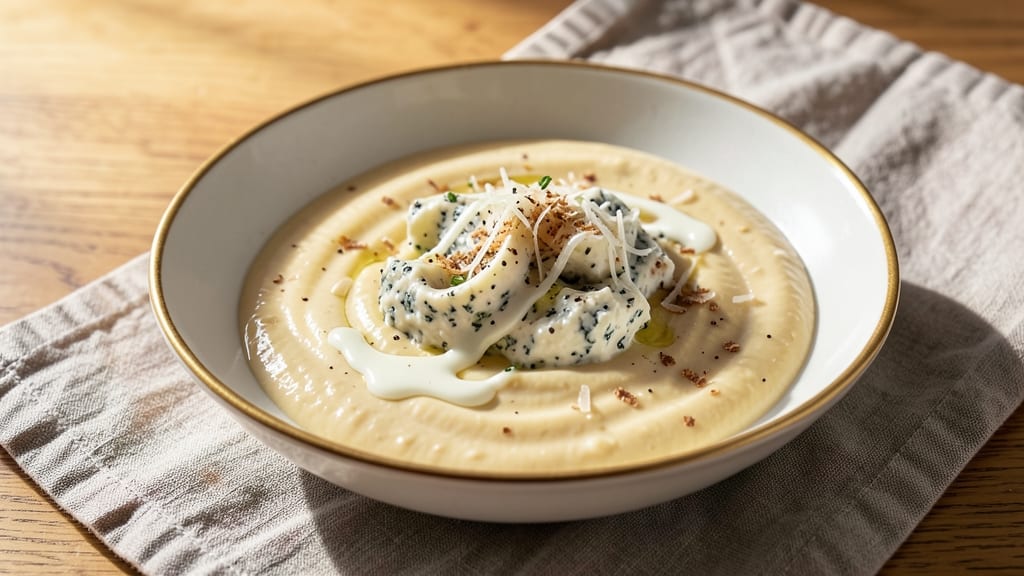
This Alfredo sauce recipe with Boursin cheese delivers restaurant-quality richness you won’t find in store-bought versions. The secret lies in blending Boursin’s creamy, herbed base with traditional Alfredo ingredients—creating a sauce that’s velvety, flavorful, and perfect for pasta or grilled meats.
Unlike heavy cream-based sauces, this version stays smooth without separating, thanks to a simple emulsification trick.
The magic happens when you simmer Boursin with butter and garlic until fully melted, then gradually whisk in heavy cream and Parmesan. This method ensures a silky texture that coats every strand of pasta or protein beautifully.
The Boursin adds a subtle herby depth that elevates classic Alfredo into something extraordinary—no artificial flavors needed.
What you’ll end up with is a creamy, golden sauce that’s rich but not overly heavy, balancing tangy Parmesan with Boursin’s mellow creaminess. It reheats perfectly and keeps its luxurious consistency, making it ideal for meal prep.
The best part? Just 15 minutes of active time transforms simple ingredients into a sauce that’ll impress even picky eaters.
Use it immediately over fettuccine, toss with grilled chicken, or drizzle over roasted vegetables. For extra flavor, stir in fresh herbs or a splash of white wine during cooking.
Store leftovers in the fridge for up to 5 days—just reheat gently with a splash of milk or cream to restore its velvety texture.
Ingredients for alfredo sauce recipe with boursin cheese
Nine essential ingredients transform into a luxurious Alfredo sauce with Boursin's signature herbed richness.
| Ingredient | Amount | Notes |
|---|---|---|
| Boursin Cheese 🧀 | 8 oz | Herbed variety preferred |
| Unsalted Butter 🧈 | 4 tbsp | Cold, cubed for even melting |
| Garlic Cloves 🧄 | 4 cloves | Minced for aromatic depth |
| Heavy Cream 🥛 | 1 cup | Full-fat for velvety texture |
| Parmesan Cheese 🧀 | ½ cup | Freshly grated, fine grade |
| Extra-Virgin Olive Oil 🫒 | 1 tbsp | For emulsification stability |
| Diamond Crystal Kosher Salt 🧂 | ½ tsp | Adjust to taste |
| Freshly Ground Black Pepper 🌶️ | ¼ tsp | For subtle seasoning |
| All-Purpose Flour 🌾 | 1 tbsp | Slurry for thickening |
| Whole Milk 🥛 | ¼ cup | For reheating consistency |
The Boursin cheese is the centerpiece here—herbed variety adds depth without overpowering the classic Alfredo profile. Look for Boursin in the dairy section of stores like Whole Foods or Trader Joe's, where it's typically sold in 8-ounce tubs. The freshly grated Parmesan is non-negotiable; pre-grated versions contain anti-caking agents that disrupt the sauce's velvety texture. For the butter, European-style unsalted brands like Plugrá or Kerrygold provide superior flavor, though any quality brand will work. The garlic should be freshly minced right before cooking to preserve its aromatic oils—never pre-minced from a jar.
No Boursin? Substitute with a blend of cream cheese and Gruyère (equal parts) for a similar herbed richness, though the flavor won't be identical. Running out of heavy cream? Half-and-half works in a pinch, though the sauce will be slightly lighter. For the Parmesan, Pecorino Romano adds a sharper tang that pairs beautifully with Boursin's creaminess. The olive oil serves as an emulsifier—avoid strong-flavored varieties like fruity EVOO that might compete with the cheese's profile. When making the flour slurry, use cold water to prevent premature thickening. The milk for reheating should be whole milk to maintain the sauce's luxurious mouthfeel.
This sauce reheats beautifully—simply warm over low heat with a splash of milk or cream to restore its silky texture. Store in an airtight container in the fridge for up to 5 days, though the flavor peaks within the first 2 days. For longer storage, portion into ice cube trays, freeze, then transfer to a sealed bag for up to 3 months. When reheating frozen portions, thaw overnight in the fridge before gently warming. The sauce thickens as it cools, so add a splash of milk if it becomes too stiff after refrigeration.
Why You'll Love This Recipe
- Five-Ingredient Magic: I swear by this combo—just melt butter, fold in Boursin, and let the garlic and cream do the rest. No fancy techniques, no stress, just pure, velvety sauce in minutes.
- Garlic-Cream Dream: That first bite? Rich, tangy, and just a hint of garlic heat cutting through the creaminess. The Boursin adds this unexpected depth—like a fancy restaurant trick in your own kitchen.
- Weeknight to Dinner Party: Toss it over fettuccine for a quick weeknight meal, or drizzle it on roasted veggies for a fancy-ish side. Honestly, I’ve used it on grilled chicken and even as a dip—it’s that adaptable.
- Leftovers That Don’t Suck: Unlike store-bought Alfredo that separates into a sad, watery mess, this sauce reheats like a dream. Keep it in the fridge for up to 5 days—perfect for lazy mornings or last-minute pasta nights.
Step-by-step instructions for Alfredo sauce with Boursin cheese
This method delivers a velvety, restaurant-quality sauce that's richer than traditional recipes.
Melt Butter and Bloom the Flour
In a medium saucepan, melt the 4 tablespoons unsalted butter over medium-low heat until it foams but doesn't brown. Add the 1 tablespoon all-purpose flour immediately and whisk vigorously for 1-2 minutes until the mixture forms a smooth paste and loses its raw flour taste. This process, called blooming, removes the flour's raw flavor while creating a stable base for thickening.
Watch the color carefully—it should be a pale golden hue, not browned. If it starts to darken, reduce the heat slightly. The butter should coat the back of a spoon with a thin, even layer when you stir. This step is crucial for preventing lumps later in the cooking process.
Cook the Garlic and Add Cream
Add the 4 minced garlic cloves to the saucepan and cook for 30-45 seconds until fragrant but not browned. The garlic should perfume the mixture without adding bitterness. Immediately pour in the 1 cup heavy cream and stir to combine. Increase the heat to medium and bring the mixture to a gentle simmer.
Let it simmer for 3-4 minutes until the sauce begins to thicken slightly. You'll notice it coats the back of a spoon but isn't yet fully emulsified. This simmering step develops the garlic's flavor while preparing the sauce for the cheese addition. Don't let it boil vigorously, as this can cause the cream to curdle.
Incorporate the Cheeses
Reduce the heat to low and gradually add the 8 oz Boursin cheese, broken into small chunks, and the 0.5 cup freshly grated Parmesan cheese. Whisk constantly for 2-3 minutes until the cheeses melt completely and the sauce becomes smooth and glossy. The sauce should thicken noticeably as it emulsifies.
Here's the thing—Boursin's herbed flavor adds depth that store-bought Alfredos lack. If you see any unmelted cheese, keep whisking gently over low heat until fully incorporated. The sauce should now have a luxurious, velvety texture with a subtle herbed aroma. Taste and adjust seasoning with the 0.5 teaspoon kosher salt and 0.25 teaspoon black pepper if needed.
Finish with Olive Oil and Milk
Remove the saucepan from heat and stir in the 1 tablespoon extra-virgin olive oil. This step is critical—it stabilizes the emulsion and prevents the sauce from breaking when reheated later. The oil should disperse completely, giving the sauce a silky sheen.
Return the sauce to low heat and slowly whisk in the 0.25 cup whole milk until fully incorporated. The milk helps achieve the perfect consistency for reheating and coating pasta. The sauce should now be smooth, glossy, and perfectly thick—coating the back of a spoon but still pourable. If it's too thick, add 1-2 teaspoons hot water to reach your desired consistency.
Rest and Serve
Transfer the sauce to a clean bowl and let it rest for 5-10 minutes at room temperature. This resting period allows the flavors to meld and the sauce to reach its optimal texture. The sauce will thicken slightly as it cools, which is normal and desirable.
To serve, gently reheat the sauce over low heat, stirring occasionally, until warmed through. The sauce should coat the back of a spoon but remain smooth and velvety. Pour over cooked fettuccine or tagliatelle and toss immediately. The sauce should cling beautifully to each strand of pasta, creating that signature creamy, luxurious finish.
Pro Tips For Making Alfredo Sauce Recipe With Boursin Cheese
- Melt Butter Slowly: Start with cold butter—yes, even when you’re eager to get cooking. If you toss in butter straight from the fridge, it’ll seize up the sauce and leave you scraping lumps out later. Let it melt gradually over medium-low heat while stirring constantly, and you’ll avoid that greasy, grainy mess that ruins everything.
- Minimize Garlic Burn: Crush those garlic cloves first—really crush them with the flat side of your knife. Whole cloves take forever to soften and turn bitter if you let them sit too long in hot butter. Once they’re bruised, they’ll release flavor fast and won’t overcook into garlic-flavored regret.
- Strain the Cream: Heavy cream loves to separate when mixed with cold cheese, and Boursin’s herbed richness makes it worse. After combining everything, pour the sauce through a fine-mesh sieve into your pot. It’s a pain, but it guarantees a silky texture—no one wants to serve a sauce that looks like it’s curdling mid-bite.
- Balance the Boursin: Boursin is herby and tangy, which is great—but it can overpower Parmesan if you’re not careful. Start with half the Parmesan called for, taste, then add more. You’re aiming for a harmony, not a cheese showdown. (Pro move: Use freshly grated Parmesan—pre-shredded stuff is just sad.)
Storing and reheating this alfredo sauce recipe with boursin cheese
Fridge Storage Tips
Store your Boursin Alfredo sauce in an airtight container with a tight-fitting lid—glass containers work best for preserving texture. Let it cool completely before refrigerating to prevent condensation, which can dilute the sauce.
The flavor actually improves over the first 2 days in the fridge, so make it fresh for best results. I like using glass Pyrex containers because they don’t absorb odors and allow me to see the sauce’s consistency at a glance. 🧀
Freezer-Friendly Methods
For longer storage, portion the sauce into ice cube trays—this makes thawing and reheating a breeze. Once frozen, transfer the cubes to a freezer-safe bag with all the air squeezed out to prevent freezer burn.
Label with the date, as it keeps well for up to 3 months without losing its creamy texture. When ready to use, thaw overnight in the fridge before reheating gently. 🥶
Reheating Like a Pro
Always reheat your sauce over low heat—never microwave it directly, as this can cause separation. Start with a splash of whole milk or cream (about 2 tablespoons) to restore its silky texture. Stir constantly and add more liquid gradually if needed.
For extra richness, I sometimes add a pat of softened butter while reheating. The sauce should warm through to 160°F while maintaining its velvety consistency. 🔥
Fixing Common Issues
If your sauce thickens too much after refrigeration, thin it with warm milk or cream—just 1 tablespoon at a time—while whisking constantly. For a broken emulsion (oily separation), whisk in 1 teaspoon Dijon mustard or 1 tablespoon heavy cream to re-emulsify.
Avoid adding water, as it can make the sauce watery. A splash of white wine also works wonders for restoring balance. 💡
Meal Prep Strategies
Double the recipe and store half for later—this sauce reheats beautifully for quick weeknight dinners. I keep a batch in the freezer specifically for grilled chicken or roasted vegetables on busy evenings.
To prep ahead, make the sauce, let it cool, then store it in small portions (like ½-cup servings) for easy reheating. Just toss with cooked pasta or drizzle over proteins for a restaurant-worthy finish. ✨
Nutrition facts
Frequently asked questions
Can I substitute Boursin with another cheese?
Yes! For a similar herbed richness, blend cream cheese with Gruyère (equal parts). If you prefer sharper flavor, try fontina or Gruyère alone. Avoid sharp cheeses like Parmigiano-Reggiano—stick to mild, creamy options to maintain the sauce's velvety texture.
Why does my sauce get grainy?
Graininess usually means the cheese didn't melt fully. Always whisk constantly over low heat and break cheeses into small chunks before adding. If it happens, strain through a fine-mesh sieve or blend briefly with an immersion blender to smooth out any lumps.
How do I make this sauce lighter?
Replace half the heavy cream with low-fat Greek yogurt or evaporated skim milk for a lighter version. For extra protein, stir in 1 tablespoon nutritional yeast after cooking—it adds a cheesy, umami flavor without extra fat.
Can I use this sauce for dishes other than pasta?
This creamy sauce works beautifully as a dip for crudités, a topping for grilled chicken or fish, or even a filling for stuffed shells. For a heartier dish, mix with cooked mushrooms or spinach before serving.
What if I don't have olive oil for emulsifying?
No problem! Substitute with 1 tablespoon melted butter or 1 teaspoon cornstarch mixed with 1 tablespoon cold water. The key is to stabilize the emulsion—just add it at the end while whisking vigorously to prevent separation.