
Sauces & Condiments
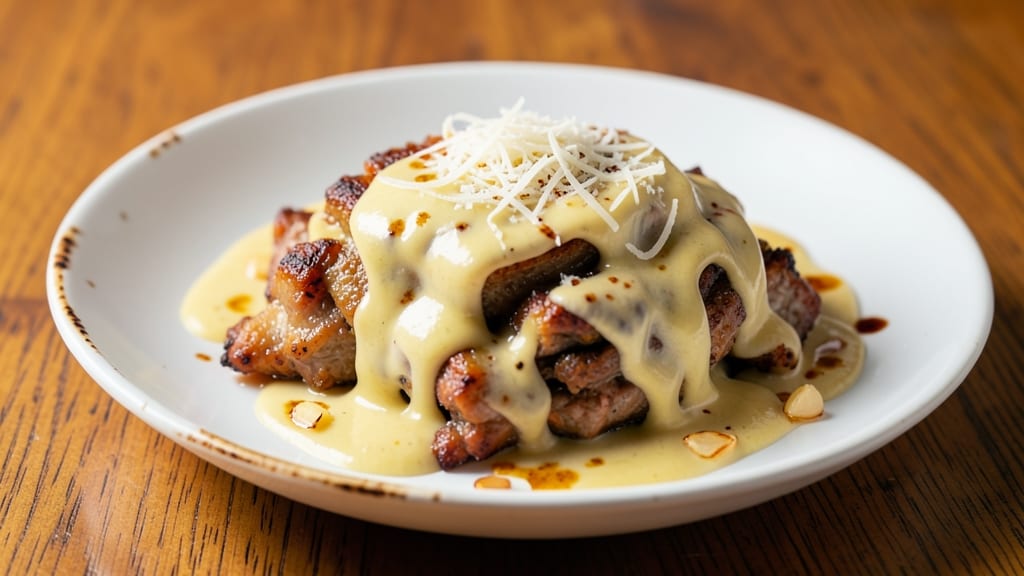
This creamy Alfredo sauce recipe Panlasang Pinoy transforms classic Italian richness with bold Filipino flavors—think tender pork, aromatic garlic, and a touch of umami that makes every bite unforgettable.
The secret lies in balancing buttery creaminess with savory depth, using local ingredients like patis (fish sauce) or calamansi for that signature Filipino tang. Unlike traditional Alfredo, this version stays true to its roots while delivering restaurant-quality results at home.
The foundation is simple: garlic butter, heavy cream, and cheese—but the Filipino twist elevates it. Slow-cooked pork adds meaty richness, while a splash of patis or sachet (soy sauce) bridges the gap between creamy and savory.
The sauce thickens beautifully, clinging to pasta, grilled meats, or even seafood like a dream. No heavy cream? No problem—substitute with coconut milk for a lighter, tropical variation that still delivers.
What makes this sauce special is its versatility. Use it as a dipping sauce for spring rolls, a glaze for grilled pork chops, or the star of a creamy pasta dish.
The flavor only deepens as it sits, making it perfect for meal prep—just reheat gently to maintain that velvety texture. Store leftovers in the fridge for up to 5 days or freeze for longer shelf life, though you’ll likely use it all before then.
Whether you're serving it over bistek (beef steak), sinigang (sour soup), or classic spaghetti, this Panlasang Pinoy Alfredo sauce proves Filipino flavors can shine in any dish. The creamy, garlicky goodness with that unmistakable umami kick is what makes it a standout—ready to impress without the fuss.
Ingredients for alfredo sauce recipe panlasang pinoy
Eleven ingredients blend Italian creaminess with bold Filipino umami for restaurant-quality results.
| Ingredient | Amount | Notes |
|---|---|---|
| Unsalted Butter 🧈 | ½ cup | Cold, cubed for even melting |
| Garlic Cloves 🧄 | 8 cloves | Freshly minced, aromatic variety |
| Heavy Cream 🥛 | 1 ½ cups | Full-fat for optimal richness |
| Grated Parmesan Cheese 🧀 | 1 cup | Freshly grated from block |
| Ground Pork 🐖 | ½ lb | Lean or fatty for depth |
| Filipino Patis (Fish Sauce) 🍶 | 1 tbsp | Authentic umami base |
| Soy Sauce (Sachet) 🍶 | 1 tbsp | Dark soy for color depth |
| Calamansi Juice 🍋 | 1 tbsp | Freshly squeezed for tang |
| All-Purpose Flour 🌾 | 1 tbsp | For thickening consistency |
| Salt 🧂 | ½ tsp | Diamond Crystal preferred |
| Black Pepper 🌶️ | ¼ tsp | Freshly cracked for heat |
The butter and garlic form the aromatic base—European-style butter (like Plugrá) melts cleaner than American brands. For the pork, ground shoulder delivers more flavor than lean cuts, but pre-cooked leftover pork works too. Filipino patis (fish sauce) is non-negotiable for authenticity—Red Boat brand is widely available at Asian markets. If you can't find calamansi, lime juice is a decent substitute, though it lacks the same bright acidity. The Parmesan should be freshly grated; pre-shredded contains anti-caking agents that prevent proper melting.
No heavy cream? Full-fat coconut milk creates a lighter, tropical variation that still clings beautifully to pasta. Swap the soy sauce for oyster sauce (1 tbsp) if you prefer a sweeter profile, but reduce the patis by half to balance saltiness. For a vegetarian version, omit the pork entirely and use mushroom powder (1 tsp) to mimic umami depth. The flour is critical for thickening—arrowroot powder works too but yields a slightly glossier finish. If you're sensitive to gluten, cornstarch is an effective alternative, though it requires more precise monitoring during cooking.
This sauce thickens as it cools, so reheat gently over low heat, stirring frequently, to restore its velvety texture. Store in an airtight container with a thin layer of olive oil on top to preserve freshness for up to 5 days in the fridge. For longer storage, freeze in ice cube trays—thawed portions work perfectly for quick pasta sauces or dipping. The flavor actually improves after 24 hours, as the ingredients meld together, so making a double batch is highly recommended.
Why You'll Love This Recipe
- One-Pot Magic: I swear by this—just brown the ground pork in butter, toss in garlic, and let the cream and cheese do the rest. No separate saucepan, no extra bowls, just one skillet that smells like heaven by the time you’re done.
- Garlic-Parmesan Bomb: That first bite? Rich, nutty Parmesan cutting through the creamy pork, with garlic so fragrant it’ll make your neighbors peek in. Honestly, I’ve tried store-bought Alfredo—this tastes like a restaurant’s secret, not a jar.
- Leftover Goldmine: Make a double batch and freeze half. Thaw it later for quick pasta, stir-fries, or even a lazy breakfast hash. (Yes, even on a Tuesday night.) The texture stays creamy, not watery, because we’re talking real butter and heavy cream here.
- Budget-Friendly Luxe: Ground pork stretches farther than steak, and Parmesan’s the only fancy bit—but a little goes a long way. I’ve fed four people for under $15, and they all asked for seconds. That’s a win in my book.
Step-by-step instructions for creamy garlic butter pork Alfredo
Master this Filipino-inspired twist on classic Alfredo with rich, velvety sauce and savory pork depth.
Sear the Ground Pork for Maximum Flavor
Heat a large skillet over medium-high heat until hot. Add the 0.5 lb ground pork and cook, breaking it apart with a wooden spoon, until the meat loses its raw color and begins to brown around the edges. This should take about 5-6 minutes—don't rush this step, as proper browning develops deep, meaty flavor.
Once the pork is fully cooked, drain it in a fine-mesh strainer, pressing gently to remove excess fat. Reserve 2 tablespoons of the rendered pork fat in the skillet (discard the rest if you prefer a lighter sauce). This fat contains concentrated pork flavor that will form the base of your sauce. If you need more fat, add 1 tablespoon of the 0.5 cup unsalted butter to the skillet.
Build the Garlic Butter Base
Return the skillet to medium heat and add the remaining 0.5 cup unsalted butter (if you haven't already). Let it melt completely, then add the 8 cloves freshly minced garlic cloves and the reserved pork fat. Cook for 1-2 minutes until the garlic turns golden and fragrant—this is crucial for developing the sauce's aromatic foundation.
Here's where the Filipino flavors come in: Stir in the 1 tablespoon Filipino patis (fish sauce) and 1 tablespoon soy sauce (sachet). Let these simmer together for 30 seconds to allow the umami to meld with the garlic butter. The sauce should smell rich and complex, with a balance of sweet, salty, and funky notes. If you notice the garlic starting to brown too quickly, reduce the heat slightly to maintain its color.
Thicken with Flour and Add Acidic Brightness
Sprinkle the 1 tablespoon all-purpose flour over the garlic mixture and stir vigorously with a wooden spoon for 1 minute to cook out the raw flour taste. This creates a roux that will thicken your sauce beautifully. Pour in the 1.5 cups heavy cream all at once and stir constantly to prevent lumps from forming.
Bring the mixture to a gentle simmer over medium-low heat, stirring frequently to prevent sticking. After 3-4 minutes, add the 1 tablespoon calamansi juice and the 0.5 teaspoon salt. The acidity from the calamansi balances the richness of the cream and butter, while the salt enhances all the flavors. Taste and adjust seasoning if needed—you might want to add a pinch more salt or a splash of calamansi juice for brightness.
Incorporate Cheese and Finish with Pepper
Reduce the heat to low and gradually whisk in the 1 cup grated Parmesan cheese until fully melted and smooth. The sauce should now be thick and creamy, coating the back of a spoon. If it's too thick, thin it with 1-2 tablespoons of hot water or pasta water from your cooking pot. For a silkier texture, strain the sauce through a fine-mesh sieve to remove any cheese grit.
Finally, stir in the 0.25 teaspoon freshly cracked black pepper and return the cooked pork to the skillet. Let the mixture simmer together for 1-2 minutes to ensure even heating and perfect flavor integration. The sauce should now be luxuriously creamy with a perfect balance of garlic, pork, and umami depth.
Serve Immediately Over Pasta or Vegetables
This sauce is best served immediately over freshly cooked pasta, such as fettuccine or spaghetti. Toss the sauce generously with the drained pasta, ensuring every strand is well-coated. For extra richness, reserve some pasta water to thin the sauce if needed—this starchy liquid helps create the perfect consistency.
The sauce should cling beautifully to the pasta, creating a glossy, velvety coating with visible strands of melted cheese. Garnish with additional black pepper and a sprinkle of extra Parmesan if desired. Serve immediately while the sauce is at its peak creaminess and the pasta is still al dente. This Filipino-inspired Alfredo sauce delivers all the comfort of classic Alfredo with a bold, savory twist that makes it truly special.
Pro Tips For Making Alfredo Sauce Recipe Panlasang Pinoy
- CRUSH GARLIC FIRST: Mince the garlic before heating the butter—no chopping mid-fry. I learned this the hard way: raw garlic burns instantly in butter, turning your sauce bitter. A quick 30-second prep keeps the flavor bright and the texture smooth.
- COOK PORK LOW AND SLOW: Brown the ground pork on medium-low heat until fully cooked—no rushing. High heat makes it dry out, and you’ll end up with a greasy, unappetizing base. Stir often and let it release moisture gradually.
- TEMPER THE CREAM: Warm the heavy cream separately in a small saucepan before mixing it in. Cold cream curdles when hit with hot butter, and nobody wants lumpy Alfredo. Just heat it to body temperature—no boiling needed.
- FINISH WITH FRESH PARMESAN: Skip the pre-shredded cheese—it’s coated with anti-caking agents that make the sauce grainy. Use freshly grated Parmesan at the very end while the sauce simmers. The heat melts it perfectly, and the flavor sings. (Yes, even if you’re impatient like me.)
Pro cooking tips for perfect results
Filipino Umami Boost
That Filipino patis (fish sauce) and soy sauce (sachet) combo is where the magic happens—these ingredients create a savory depth that traditional Alfredo sauce lacks. Use Red Boat patis for authentic flavor, and don’t skimp on the soy sauce; dark soy adds a subtle caramelized richness.
Let the two simmer together for 30 seconds to meld their flavors before adding the cream. This step is non-negotiable for that signature Panlasang Pinoy taste. 🌶️
Garlic Mastery
Freshly minced garlic is key—8 cloves should be finely chopped to release their oils without burning. Cook them in butter over medium heat until golden (not brown) for a fragrant base.
If your garlic burns too quickly, reduce the heat slightly. Pro tip: Use a garlic press for even mincing, which ensures consistent flavor distribution throughout the sauce. 🧄
Thickening Secrets
The 1 tablespoon flour creates a light roux that thickens the sauce without making it gluey. Stir vigorously for 1 minute to cook out the raw flour taste before adding the cream.
If the sauce thickens too much, thin it with hot pasta water—this starchy liquid mimics the sauce’s natural consistency. For a smoother finish, strain through a fine-mesh sieve after adding cheese. ⚡
Pork Flavor Infusion
Cook the ground pork until fully browned to develop its meaty flavor, then drain it well. Reserve 2 tablespoons of pork fat in the skillet—this adds depth that butter alone can’t match.
If you’re short on time, use pre-cooked leftover pork (like bistek or longganisa) for convenience without sacrificing flavor. 🐖
Acid Balance
The calamansi juice is the sauce’s secret weapon—its bright acidity cuts through the richness of the cream and butter. If you can’t find calamansi, lime juice works in a pinch, but it lacks the same floral tang.
Add the juice after the cream simmers to preserve its freshness. Taste as you go and adjust with more acid or salt until balanced. 🍋
Cheese Integration
Whisk in the Parmesan cheese gradually over low heat to avoid clumping. For extra creaminess, use half Parmesan and half cream cheese (mix in at the end). If the sauce seems too thick, thin it with 1-2 tablespoons of hot water or reserved pasta water.
Strain for a silky texture, but don’t skip this step if you love cheese grit—it adds texture! 🧀
Nutrition facts
Frequently asked questions
Can I make this sauce without heavy cream?
Yes! For a lighter version, substitute the 1.5 cups heavy cream with 1 can (13.5 oz) full-fat coconut milk—it adds a tropical twist while keeping the sauce rich. The sauce will be slightly thinner but still creamy. For extra thickness, reduce it longer on the stove or add 1 extra tablespoon flour when making the roux.
How do I adjust the sauce for spicier Filipino dishes?
Add ½ teaspoon finely chopped siling labuyo (bird's eye chili) or 1 teaspoon sriracha when incorporating the pork fat. For deeper heat, blend 1 tablespoon chili flakes into the sauce at the end. Balance with a splash of calamansi juice to prevent the sauce from becoming too harsh. Start with half the amount and adjust to taste.
What’s the best way to reheat leftovers without breaking the texture?
Reheat the sauce over low heat on the stove, stirring constantly with a silicone spatula to prevent sticking. Add 1-2 tablespoons of water or pasta water if it thickens too much. For microwave reheating, cover with a damp paper towel and heat in 20-second intervals, stirring between each. Never boil—this can cause the sauce to separate or become grainy.
Can I use this sauce for dishes other than pasta?
This versatile sauce works beautifully as a dipping sauce for spring rolls or lumpia, a glaze for grilled pork chops or fish fillets, or even a topping for sinigang (sour soup). For seafood, add 1 teaspoon lemon juice to brighten the flavors. The creamy texture clings perfectly to proteins and vegetables alike.
Why did my sauce turn out too thin?
This usually happens if you didn’t cook the flour long enough to form a proper roux or if the cream wasn’t reduced sufficiently. To fix it, simmer the sauce uncovered over medium heat for 5-7 minutes, stirring often, until it thickens. For a quicker fix, whisk in 1 teaspoon cornstarch mixed with 1 tablespoon cold water and cook for 1 minute until clear.