
Sauces & Condiments
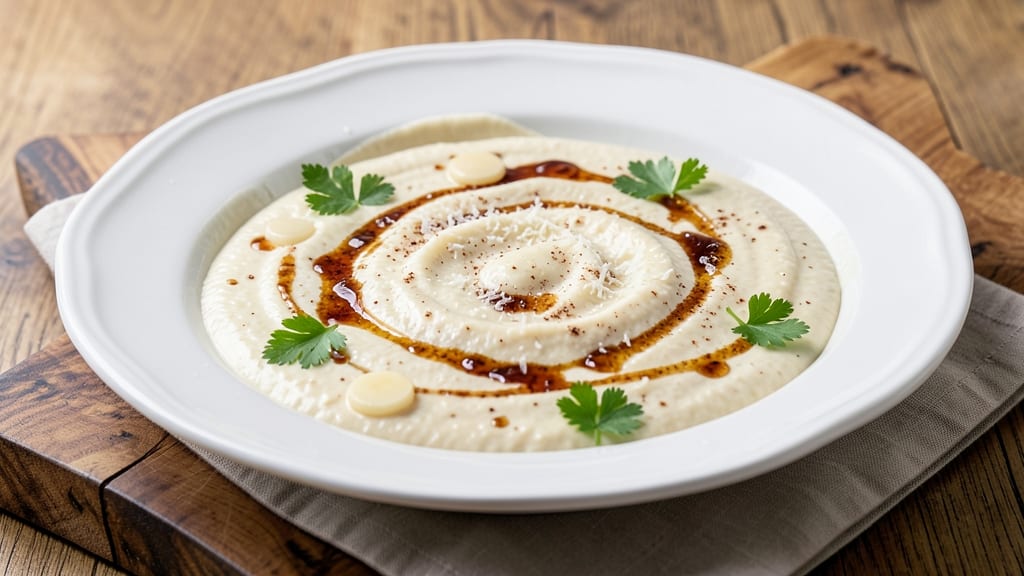
The Alfredo sauce recipe that earned NYT approval delivers velvety perfection without a single lump—no small feat when working with cheese and cream. The secret lies in tempering the cheese gradually while whisking continuously, a technique that transforms ordinary ingredients into something restaurant-worthy.
This isn't just another sauce; it's a creamy masterpiece that clings to pasta like a second skin, with depth from fresh garlic and a touch of white wine for brightness.
What sets this recipe apart is its foolproof method for avoiding curdling, which relies on patience and precise heat control. You'll start with butter and flour to create a roux, then slowly incorporate warm cream and freshly grated parmesan while whisking vigorously.
The result? A sauce so smooth it practically melts on your tongue, with a rich, nutty parmesan flavor that lingers long after the last bite.
This sauce isn't just for pasta—it elevates chicken parmesan, grilled vegetables, or even as a dipping sauce for crusty bread. The best part? It keeps beautifully in the fridge for up to 5 days or freezes for months, so you can always have that creamy luxury on hand.
Whether you're hosting dinner guests or treating yourself to a weeknight indulgence, this recipe delivers every time.
For those avoiding dairy, a simple vegan adaptation uses cashew cream and nutritional yeast, proving that creamy Alfredo can be both classic and inclusive. Let's get started on creating your perfect sauce.
Ingredients for alfredo sauce recipe nyt
Restaurant-quality Alfredo relies on just ten ingredients—simple but precise.
| Ingredient | Amount | Notes |
|---|---|---|
| Unsalted Butter 🧈 | ½ cup | Cold, cut into small pieces |
| All-Purpose Flour 🌾 | ¼ cup | For roux base |
| Heavy Cream 🥛 | 1 ½ cups | Full-fat for richness |
| Parmesan Cheese 🧀 | 1 ½ cups | Freshly grated, block preferred |
| Garlic Cloves 🧄 | 4 cloves | Minced, fresh preferred |
| Dry White Wine 🍷 | ¼ cup | Bold variety like Sauvignon Blanc |
| Salt 🧂 | ½ tsp | Kosher or sea salt |
| Black Pepper 🌶️ | ¼ tsp | Freshly ground preferred |
| Nutmeg 🌿 | ⅛ tsp | Freshly grated for warmth |
| Whole Milk 🥛 | ¼ cup | For thinning if needed |
The Parmesan makes or breaks this sauce. Grab a wedge from the deli counter—pre-grated loses flavor and texture. Parmigiano-Reggiano is ideal, but any aged Parmesan works. For the butter, European-style unsalted like Plugrá or President melts smoother than American brands. The garlic should be fresh—roasted garlic adds sweetness but lacks the punch of raw. Heavy cream is non-negotiable here; half-and-half will thin the sauce too much. The white wine adds brightness, so don't skimp on quality—whatever's open works, but avoid sweet varieties.
No Parmesan? Pecorino Romano is a solid swap, though it's saltier. Short on butter? Olive oil can replace up to half, but the sauce will taste different. The flour is crucial for the roux—all-purpose works fine, but bread flour adds extra body. For a dairy-free version, cashew cream (blend soaked cashews with water) replaces the heavy cream, and nutritional yeast stands in for Parmesan. The nutmeg is optional but adds that classic Alfredo depth—skip it if you prefer a cleaner flavor. If the sauce curdles, whisk in a splash of warm milk to rescue it.
This sauce keeps beautifully in the fridge for 5 days—just reheat gently, stirring constantly to prevent separation. For longer storage, freeze in ice cube trays for perfect single portions. The roux stage is where most mistakes happen, so keep the heat low and whisk like your life depends on it. If the sauce thickens too much, thin with warm milk or broth. The flavor actually improves after resting, so make extra—it disappears fast.
Why You'll Love This Recipe
- One-Pot Magic: I swear by this recipe because it’s actually just butter, flour, cream, and cheese—no blender, no stress. The roux forms in minutes, and by the time the garlic sizzles, you’re already tasting that rich, velvety finish.
- Garlic-Parmesan Bomb: Between us, the secret’s in the ratio: toast the garlic just until fragrant, then fold in that sharp, nutty Parmesan. One bite and you’ll forget store-bought ever existed—especially when the sauce clings to fettuccine like it’s been waiting its whole life.
- Weeknight Swiss Army: This sauce is my go-to for pasta, chicken, or even a quick veggie stir-fry. Double the batch on Sunday, freeze half, and boom—you’ve got a backup for when takeout cravings hit. (Yes, even on a Tuesday night.)
- Pantry-Proof Perfection: Heavy cream and Parmesan make this ridiculously affordable—way cheaper than pre-made sauces. And the leftovers? They taste even better the next day, reheated with a splash of milk to keep it silky. Budget win, flavor win.
Step-by-step instructions for NYT-approved Alfredo sauce
Mastering this velvety sauce comes down to technique—here's how to achieve perfect creaminess without curdling.
Create a Smooth Roux with Butter and Flour
Melt the 0.5 cup unsalted butter in a medium saucepan over medium heat. Once fully melted and foaming subsides, reduce heat to low and gradually whisk in the 0.25 cup all-purpose flour. This creates a roux that will thicken your sauce and form its foundation.
Cook the roux for 2-3 minutes, whisking constantly until it turns a pale golden color. You'll smell a nutty aroma—this is your cue that the raw flour flavor is cooking off. Be patient here; rushing causes the flour to burn and add bitterness. The mixture should thicken enough to coat the back of a spoon but remain smooth.
Deglaze with Wine and Infuse with Garlic
Pour in the 0.25 cup dry white wine and scrape the bottom of the pan vigorously with a wooden spoon to release all the browned bits. This deglazing step captures flavor that would otherwise stick to the pan. Let the wine simmer for 2-3 minutes until reduced by half—you should see a glossy sheen on the surface.
Add the 4 minced garlic cloves and cook for 30 seconds until fragrant but not browned. Garlic burns quickly, so watch carefully. The wine should now be mostly evaporated, leaving behind concentrated flavor. This is where the sauce builds its aromatic depth before adding the dairy components.
Gradually Incorporate Cream and Cheese
Reduce heat to low and begin adding the 1.5 cups heavy cream very slowly, whisking constantly to prevent lumps. Start with just ¼ cup at a time, waiting 30 seconds between additions to let each increment warm through. This gradual approach prevents curdling by allowing the sauce to adjust to the cold cream.
Once all the cream is incorporated, sprinkle in the 1.5 cups freshly grated Parmesan cheese in small additions, whisking vigorously after each. The cheese should melt completely, creating a thick, velvety texture. If the sauce looks too thick at this stage, add 1-2 tablespoons of whole milk to reach your desired consistency.
Season and Finish with Warmth
Add the 0.5 tsp salt, 0.25 tsp black pepper, and 0.125 tsp nutmeg, whisking until fully combined. Taste and adjust seasoning—this is your final opportunity to balance flavors before serving. The nutmeg should add subtle warmth without overpowering the creamy base.
Simmer the sauce gently for 3-5 minutes to let all the flavors meld together. It should coat the back of a spoon smoothly but still be pourable. If you notice any lumps, strain the sauce through a fine-mesh sieve for a silky texture. Serve immediately over your choice of pasta for the ultimate creamy experience.
Pro Tips For Making Alfredo Sauce Recipe Nyt
- Infuse the Garlic Slow: Toss those minced garlic cloves into the butter before you heat it—let them bloom in the fat for 30 seconds until fragrant. I used to add it raw, and the sauce always tasted sharp and unfinished. This step makes the garlic melt into the sauce instead of sitting like little bitter rocks.
- Low and Slow Simmer: Once you add the heavy cream, drop the heat to a bare simmer—just enough to see tiny bubbles at the edges. I learned this after watching my sauce split twice; rushing it turns creamy Alfredo into a sad, grainy mess. Keep it steady, or you’ll regret it.
- Grated Parmesan Only: Skip the pre-shredded stuff—it’s coated with anti-caking agents that turn your sauce into a gluey nightmare. Freshly grate your own (about 1 cup) and add it off the heat so the cheese melts smoothly. Yes, it’s more work, but the texture difference is night and day.
- Whisk Like Your Life Depends on It: Don’t just stir—whisk vigorously when combining the flour and butter to form the roux. I used to let it sit, and the sauce would clump or taste raw. Keep moving that whisk until it’s smooth and golden, or you’ll end up with flour lumps hiding in every bite.
Perfect pairings for this dish
Pasta Pairings
This creamy Alfredo sauce clings perfectly to fettuccine or tagliatelle, where its rich texture becomes the star. For extra decadence, try pappardelle—the wide noodles create a luxurious surface for the sauce to cling to.
I also love it with linguine for a slightly lighter presentation, or spaghetti if you prefer a classic Italian feel. 🍝
Protein Pairings
Alfredo sauce transforms chicken parmesan into a restaurant-worthy dish. The creamy sauce balances the crispy breading and tender chicken beautifully. It also elevates shrimp scampi—toss cooked shrimp with sauce and a splash of lemon for a bright, creamy seafood dish.
For vegetarians, roasted eggplant or mushroom risotto becomes irresistible with this sauce drizzled on top.
Vegetable Pairings
Grilled asparagus or broccoli gets a gourmet upgrade with Alfredo sauce as a dipping sauce or light drizzle. Try it with roasted Brussels sprouts for a sweet-savory contrast.
Even simple steamed green beans become special when tossed with this creamy sauce. The key is to use the sauce sparingly—just enough to enhance, not overpower.
Bread and Dippers
No one leaves extra sauce behind when it comes to garlic bread or fresh baguette slices. Warm the bread slightly, then dip it into the sauce for a creamy, cheesy bite. For a fun appetizer, serve with crudités like carrot sticks and celery—it’s a crowd-pleaser at parties. 🥖
Breakfast Twist
Who says Alfredo is just for dinner? Use it to elevate breakfast casseroles with hash browns, cheese, and sausage. Drizzle it over pancakes or waffles for a decadent weekend brunch. Even scrambled eggs get a gourmet upgrade when mixed with a spoonful of this sauce. The possibilities are endless!
Global Variations
For a Mediterranean twist, add a pinch of oregano and a splash of lemon juice to pair with grilled zucchini. A Mexican-inspired version swaps Parmesan for cotija cheese and adds cilantro—perfect with tortilla chips. The sauce’s versatility makes it a global player in any kitchen. 🌍
Nutrition facts
Frequently asked questions
Why does my Alfredo sauce get grainy or clumpy?
This usually happens when cheese is added too quickly or the heat is too high. The solution? Whisk constantly while adding grated cheese gradually over low heat, and always use freshly grated Parmesan (pre-grated contains anti-caking agents). If lumps appear, strain through a fine-mesh sieve for a silky finish.
Can I make Alfredo sauce ahead of time?
This sauce actually tastes better after resting. Store it in an airtight container in the fridge for up to 5 days, or freeze in ice cube trays for single portions. Reheat gently over low heat, stirring constantly to prevent separation. For a smoother texture, whisk vigorously before serving.
What's the best pasta to serve with Alfredo sauce?
Wide, flat noodles work best—fettuccine or tagliatelle are classic choices because their surfaces catch the creamy sauce perfectly. For extra indulgence, try pappardelle (giant ribbons) or linguine. Avoid thin spaghetti, as it can get overwhelmed by the rich sauce.
How can I make this recipe vegan?
Replace the butter with olive oil or vegan butter, heavy cream with cashew cream (blend soaked cashews with water), and Parmesan with nutritional yeast for a cheesy flavor. Use the same technique of gradual incorporation to prevent curdling. The texture will be slightly lighter but still creamy and delicious!
Why does my sauce curdle when I add the cream?
Curdling happens when cold cream hits hot liquid too quickly. To prevent this, always reduce heat to low and add the cream very slowly, whisking constantly. If it starts to separate, immediately remove from heat and whisk in 1 tablespoon of warm milk to stabilize it. Patience is key—rushing is the enemy of creamy perfection!