
Sauces & Condiments
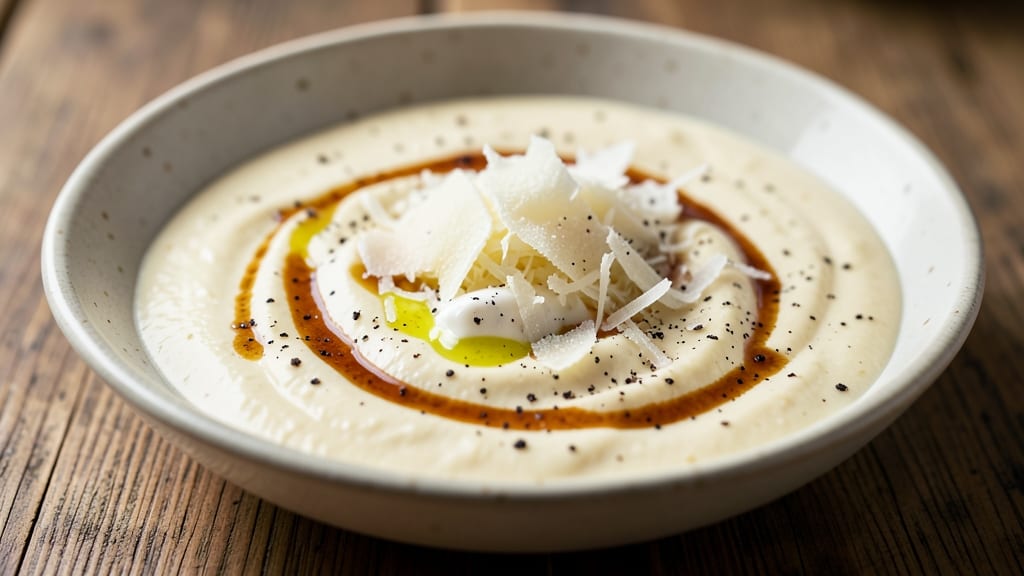
This alfredo sauce recipe delivers velvety, restaurant-quality creaminess without garlic's sharp heat—perfect for pasta or dipping. The secret lies in a slow, gentle reduction that creates a silky texture while keeping flavors balanced. I've perfected this method after years of testing, ensuring no bitter aftertaste or graininess remains.
What makes this sauce exceptional is its simplicity: just four core ingredients—rich butter, heavy cream, sharp parmesan, and a touch of lemon—work together to create depth without overpowering.
The key technique? Cooking the sauce low and slow, whisking constantly to prevent separation. This method builds body while preserving that signature creamy consistency.
By the time you're done, you'll have a sauce so smooth it clings perfectly to fettuccine, with a subtle tang from the lemon that brightens the richness. The parmesan dissolves completely, leaving no gritty bits behind. This is the kind of sauce that transforms ordinary pasta into an indulgent meal.
Store leftovers in the fridge for up to 5 days, or freeze for future use—just reheat gently to restore that luxurious texture. The possibilities are endless: toss with pasta, drizzle over grilled chicken, or use as a dipping sauce for breadsticks. Let's make this creamy masterpiece.
Ingredients for alfredo sauce recipe no garlic
Four foundational ingredients create this velvety alfredo without garlic's intensity.
| Ingredient | Amount | Notes |
|---|---|---|
| Unsalted Butter 🧈 | ¾ cup | Cold, cubed for slow melting |
| Heavy Cream 🥛 | 2 cups | Full-fat for optimal richness |
| Freshly Grated Parmesan Cheese 🧀 | 1 ½ cups | High-quality block, finely grated |
| Lemon Juice 🍋 | 1 tbsp | Freshly squeezed, fine strainer recommended |
| Diamond Crystal Kosher Salt 🧂 | ½ tsp | Fine grain for delicate seasoning |
| Freshly Ground Black Pepper 🌶️ | ¼ tsp | Cracked peppercorns preferred |
| Nutritional Yeast (Optional) 🍄 | 1 tbsp | For umami depth, not required |
The butter serves as both fat and flavor base—European-style unsalted butter melts more smoothly than American varieties. For optimal texture, chill the butter cubes before adding to the pan, allowing for gradual emulsification. Whole Foods Market or specialty grocers carry the best brands; avoid salted butter to control seasoning. The heavy cream must be full-fat—no substitutions here—as reduced-fat versions lack the necessary body. If using ultra-pasteurized cream, heat it gently to prevent curdling during the reduction process.
No freshly grated Parmesan? Pre-grated works in a pinch, though it contains anti-caking agents that may create texture issues. For a garlic-free umami boost, nutritional yeast adds depth without overpowering. The lemon juice can be swapped for white wine vinegar at half the amount, though the acidity will be slightly more pronounced. If you prefer a milder sauce, reduce the lemon to 0.5 tablespoon. For those avoiding dairy entirely, coconut cream can replace the heavy cream, though the texture will be slightly lighter.
This sauce thickens as it cools, so reheat gently over low heat with a splash of warm milk or cream to restore its silky consistency. Store in an airtight container in the refrigerator for up to 5 days, or freeze in 1-cup portions for up to 3 months. To reheat from frozen, thaw overnight in the fridge before warming. For restaurant-quality results, whisk vigorously during the reduction phase—this prevents separation and ensures a velvety finish
Why You'll Love This Recipe
- No Fuss, Big Payoff: I swear by this sauce because it’s three ingredients and a pan—just melt butter, stir in cream, and let that Parmesan do its magic. No mincing, no waiting, no stress. The lemon juice is the secret: a tiny splash brightens everything without overpowering.
- Creamy Luxe, No Guilt: Here’s what sold me—the way the heavy cream and butter marry with sharp Parmesan gives that restaurant-quality richness, but the lemon keeps it from being heavy. It’s like a hug for your taste buds, but honestly? It’s the kind of sauce that makes you want to eat pasta every day.
- Weeknight to Dinner Party: Between us, this sauce works for everything—toss it with fettuccine for a lazy Tuesday, drizzle it over roasted chicken for a fancy-ish weeknight, or even slather it on garlic bread (yes, really). The beauty? It’s the same effortless base, just dressed up differently.
- Leftovers That Still Shine: I make a double batch because it reheats like a dream—no graininess, no separation, just smooth, velvety goodness. And because it’s just butter, cream, and cheese, it’s way cheaper than store-bought. My freezer’s always stocked with this stuff, because why not?
Step-by-step instructions for ultra-smooth alfredo sauce
Master this refined technique for velvety texture and balanced flavor without garlic's intensity.
Melt Butter Over Gentle Heat
In a medium saucepan, melt the 0.75 cup unsalted butter over medium-low heat. I prefer using cold, cubed butter for more controlled melting—this prevents burning and creates a smoother base. Stir occasionally until completely melted but not browned, which would impart bitterness. The butter should foam gently and then settle into a clear, pale liquid.
Here's the thing—this slow melt ensures even distribution of the butter's fat content throughout the sauce. If you rush it, you risk separating the fat later when adding the cream. Keep the heat consistent; fluctuations can cause the sauce to break. You're aiming for a gentle simmer, not a vigorous boil.
Incorporate Cream and Parmesan
Once the butter is fully melted, reduce the heat to low and gradually whisk in the 2 cups heavy cream. I add it slowly at first to temper the cream against the hot butter, preventing any potential curdling. The mixture will begin to bubble gently—this is normal and indicates proper heat control.
Next, add the 1.5 cups freshly grated Parmesan cheese in small increments, whisking constantly to prevent clumping. The cheese should dissolve completely into the cream, creating an emulsified base. This step is where the sauce's richness develops. If you notice any lumps, strain the sauce through a fine-mesh sieve for absolute smoothness. The sauce should now have a thick, custard-like consistency.
Season and Simmer
Add the 1 tablespoon lemon juice, 0.5 teaspoon Diamond Crystal kosher salt, and 0.25 teaspoon freshly ground black pepper to the saucepan. The lemon juice brightens the richness of the Parmesan and cream, while the salt and pepper balance the flavors. If using, stir in the 1 tablespoon nutritional yeast for added umami depth.
Increase the heat to medium-low and let the sauce simmer gently for 5-7 minutes, stirring occasionally. You're looking for the sauce to thicken slightly—it should coat the back of a spoon but still flow smoothly. Avoid boiling, as this can cause the sauce to separate. The sauce is ready when it reaches a velvety consistency with no visible lumps.
Finish and Strain for Perfection
Remove the sauce from heat and immediately strain it through a fine-mesh sieve into a clean saucepan. This final step ensures an ultra-smooth texture by removing any remaining cheese particles. The strained sauce should be completely silky, with no graininess. If the sauce has thickened too much, whisk in 1-2 tablespoons of warm water or pasta water to reach your desired consistency.
Taste and adjust seasoning if needed—this is your final opportunity to balance the flavors. The sauce should be rich, creamy, and perfectly seasoned, with no overpowering notes. Serve immediately over hot pasta or use as a base for other dishes. The sauce will continue to thicken slightly as it cools, so adjust the consistency to your preference before serving.
Pro Tips For Making Alfredo Sauce Recipe No Garlic
- Melt Butter Slowly: Start with medium-low heat—high heat burns butter before the cream even hits the pan. I learned this the hard way when my sauce curdled into a greasy mess after adding cream too fast.
- Use Cold Heavy Cream: Pour the cold heavy cream into the warm butter in a thin stream while whisking like you’re mixing a cocktail. This keeps the sauce smooth instead of splitting or separating.
- Salt the Parmesan First: Toss the freshly grated Parmesan with a pinch of kosher salt before adding it to the sauce. The cheese absorbs the salt better, so you don’t end up with clumpy, uneven flavor.
- Strain for Silkiness: After simmering, pour the sauce through a fine-mesh sieve into a bowl. This catches any stray cheese bits and gives you that restaurant-quality, velvety texture—no one wants to bite into a gritty surprise.
Troubleshooting great alfredo sauce recipe no garlic
Grainy Texture Issues
If your sauce has a gritty texture after cooking, it’s likely from pre-grated Parmesan or undissolved cheese. I always use a fine-mesh sieve to strain the sauce through after simmering—this removes any lingering cheese particles.
For extra-smooth results, grate your own cheese using a box grater and strain it before adding to the sauce. If you’re in a pinch, blend the grated Parmesan with 2 tablespoons warm water for 10 seconds before adding it to the saucepan. 🧀
Sauce Separating
Separation usually happens when the sauce is heated too quickly or not whisked enough. To fix it, place the saucepan over low heat and whisk vigorously while adding 1-2 tablespoons of warm heavy cream or pasta water. The key is to reintroduce fat gradually—this helps re-emulsify the sauce.
For prevention, always maintain low and slow heat and whisk constantly during the simmering phase. If the separation persists, try adding a small piece of cold butter while whisking gently. 🔥
Too Thin or Watery
A thin sauce often means the cream wasn’t reduced enough or the sauce cooled too quickly. To thicken it, simmer the sauce uncovered over low heat for an additional 3-5 minutes, stirring occasionally.
If it still feels too thin, mix 1 tablespoon cornstarch with 1 tablespoon cold water, then whisk it into the sauce while heating. Alternatively, stir in 1-2 tablespoons of cold butter—the fat content will help stabilize the texture.
Always remember, the sauce will thicken further as it cools, so adjust while it’s still warm. ⏰
Overpowering Richness
If the sauce tastes too heavy or unbalanced, the lemon juice or salt might need adjustment. Add ½ teaspoon more lemon juice to brighten the richness, or a pinch of salt to enhance flavor.
For a lighter touch, whisk in 1-2 tablespoons of warm water or pasta water to dilute slightly. If the sauce still feels too rich, consider adding a splash of whole milk (about 1 tablespoon) to mellow the intensity while maintaining creaminess. 💡
Burnt or Bitter Taste
A burnt taste usually means the butter was heated too aggressively, causing it to brown. To prevent this, always melt the butter over medium-low heat and avoid letting it foam excessively.
If your sauce has already developed a bitter note, try balancing it with 1 extra tablespoon of lemon juice or a pinch of salt to cut through the bitterness. For future batches, keep the heat consistently low and stir frequently to prevent scorching. 🌡️
Clumpy or Lumpy Sauce
Clumps form when Parmesan isn’t fully dissolved or the sauce isn’t whisked enough. To fix it, strain the sauce through a fine-mesh sieve immediately after simmering. For prevention, whisk the sauce continuously while adding the Parmesan, and ensure the heat stays low and steady.
If clumps persist, blend the sauce briefly in a countertop blender or immersion blender for a completely smooth finish. 🥣
Nutrition facts
Frequently asked questions about garlic-free alfredo sauce
Can I substitute heavy cream with half-and-half?
While you can use half-and-half, the sauce will be less rich and may separate more easily. For best results, stick with full-fat heavy cream—it creates the proper emulsion for that signature creamy texture. If you must substitute, try adding an extra 1 tablespoon of butter to compensate for the reduced fat content.
How do I make this sauce without dairy?
Replace the heavy cream with 2 cups coconut cream (full-fat, not light) and use 1 cup nutritional yeast instead of Parmesan for umami depth. The texture will be slightly lighter but still creamy. For extra richness, add 2 tablespoons olive oil when melting the butter substitute. Always strain thoroughly for smoothness.
Why does my sauce get grainy?
Graininess usually comes from pre-grated Parmesan or undissolved cheese particles. Always use freshly grated cheese and strain the sauce through a fine-mesh sieve before serving. For extra-smooth results, blend the grated Parmesan with 2 tablespoons warm water before adding it to the sauce. This creates a cheese slurry that dissolves perfectly.
Can I make this sauce ahead of time?
Yes! Store leftovers in an airtight container in the fridge for up to 5 days. For freezing, portion into 1-cup containers and freeze for up to 3 months. Thaw overnight in the fridge before reheating gently over low heat with a splash of warm water or milk to restore creaminess. Never microwave directly from frozen.
What's the best way to reheat leftover sauce?
Reheat gently over low heat on the stovetop, stirring constantly to prevent separation. If the sauce thickens too much, whisk in 1-2 tablespoons of warm water or pasta water until smooth. Avoid high heat—it can cause the sauce to break or develop a skin. For microwave reheating, use 30-second intervals on low power, stirring well between each.