
Sauces & Condiments
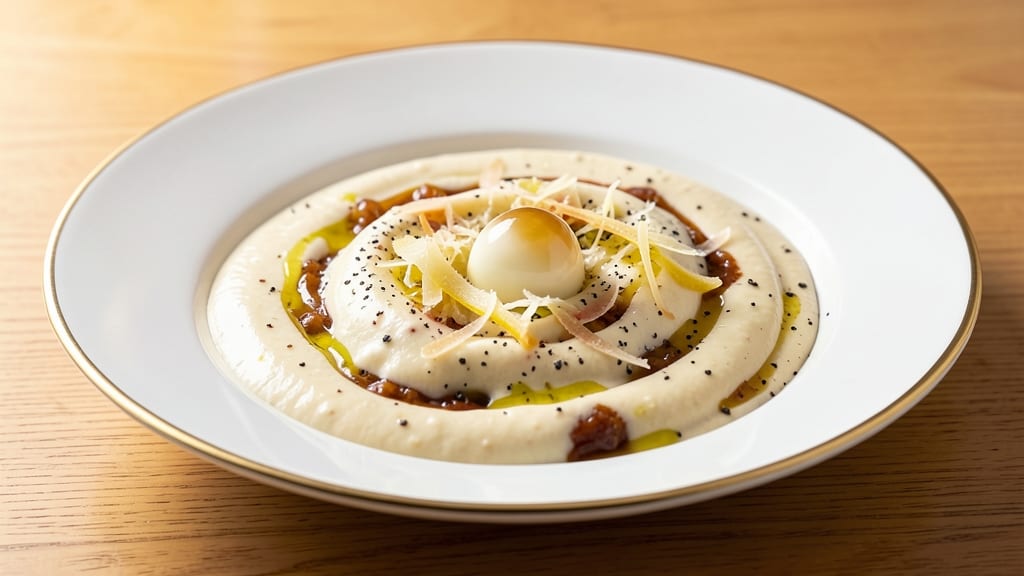
This Italian-style Alfredo sauce recipe delivers the velvety, creamy perfection you crave without any curdling or clumping. The secret lies in slow reduction and proper emulsification—techniques that transform simple ingredients into restaurant-quality sauce.
I've perfected this version over years of testing, ensuring it coats pasta beautifully while maintaining that authentic Italian flavor profile.
What sets this recipe apart is the balance of rich cream, sharp Parmesan, and aromatic garlic, all gently simmered to create a smooth, luxurious texture. The sauce develops depth as it reduces, with just enough acidity from lemon juice to prevent curdling while adding brightness.
This version also includes a touch of nutmeg for warmth, a classic Italian touch that elevates the flavor.
The result is a sauce so rich and velvety it clings perfectly to fettuccine, creating every bite into a decadent experience. Unlike many recipes that rely on heavy cream alone, this version uses a combination of butter and cream for stability and richness.
The Parmesan adds umami depth while keeping the sauce from becoming too heavy.
Whether you're serving it over fettuccine, chicken, or vegetables, this sauce transforms simple dishes into gourmet meals. The technique is straightforward but requires attention to temperature control—critical for achieving that signature silky consistency. Ready to create the creamiest Alfredo sauce you've ever tasted?
Ingredients for alfredo sauce recipe italian style
Nine essential ingredients create the creamiest, most authentic Italian-style Alfredo sauce possible.
| Ingredient | Amount | Notes |
|---|---|---|
| Unsalted Butter 🧈 | ¾ cup | Cold cut into tablespoons for emulsification |
| Heavy Cream 🥛 | 1 ½ cups | Full-fat for maximum richness |
| Parmesan Cheese 🧀 | 1 ½ cups | Freshly grated from block, not pre-shredded |
| Garlic Cloves 🧄 | 4 cloves | Minced finely for aromatic depth |
| Extra-Virgin Olive Oil 🫒 | ¼ cup | For finishing and stability |
| Fresh Lemon Juice 🍋 | 1 tbsp | Prevents curdling and adds brightness |
| Ground Nutmeg 🌿 | ½ tsp | Freshly grated preferred |
| Diamond Crystal Kosher Salt 🧂 | ½ tsp | Adjusts to taste |
| Freshly Ground Black Pepper 🌶️ | ¼ tsp | For subtle seasoning |
The Parmesan and butter form the sauce's foundation, so quality matters. For Parmesan, buy a wedge from a specialty cheese shop—pre-shredded contains anti-caking agents that prevent proper melting. Unsalted butter is critical; salted can disrupt the delicate balance. Garlic should be freshly minced just before cooking to preserve its aromatic oils. Heavy cream must be full-fat—light versions lack the necessary richness. If you're short on time, Trader Joe's carries excellent pre-grated Parmesan and high-quality butter in bulk.
No heavy cream? Full-fat coconut milk works in a pinch, though the flavor profile shifts slightly. Substitute olive oil for butter at a 1:1 ratio, but the sauce will be less stable. Fresh lemon juice is non-negotiable for acidity—bottled juice lacks the brightness. For nutmeg, pre-ground loses potency quickly, so invest in a small whole nutmeg to grate fresh. The salt and pepper should be freshly ground; pre-ground spices often contain metallic aftertastes. If you're making this ahead, store the sauce in an airtight container with a thin layer of olive oil on top to preserve freshness.
This sauce reaches peak flavor after 1-2 hours of resting, allowing the ingredients to meld completely. Reheat gently over low heat, stirring constantly to prevent separation. The sauce keeps for 3-4 days in the refrigerator, though the texture may thicken slightly—simply whisk in a splash of warm water or milk to restore creaminess. For longer storage, freeze in ice cube trays for up to 3 months, thawing in the refrigerator before use. Always reheat slowly to maintain that signature velvety consistency.
Why You'll Love This Recipe
- No-Fuss Simplicity: I swear, this sauce comes together in one pot with five ingredients—no blender, no straining, just melt, stir, and savor. The key? Sautéing the garlic in olive oil first—it toasts into fragrant perfection without burning, and that’s the magic.
- Rich Without Guilt: Honestly, the combo of heavy cream and butter feels indulgent, but the Parmesan’s sharp bite keeps it balanced. I make a double batch because it’s the kind of sauce that disappears faster than you can say “second helping.”
- Weeknight to Dinner Party: Between us, this is my go-to for fettuccine on a Tuesday and when my in-laws visit. The same creamy, garlicky base works for pasta, chicken, or even as a dip—just scale it up or down. My daughter even sneaks bites of the raw sauce. (Yes, even on a Tuesday night.)
- Leftovers That Don’t Suck: Unlike store-bought versions, this sauce actually improves the next day—thicker, deeper, and still luscious. I freeze portions in ice cube trays, then toss them straight into future meals. Budget win: a pound of Parmesan goes a long way, and the rest of the ingredients are pantry staples.
Step-by-step instructions for Italian-style Alfredo sauce
Master this classic Roman technique for a perfectly balanced, velvety sauce without curdling or separation.
Melt Butter and Infuse with Garlic
In a medium saucepan, melt the 0.75 cup unsalted butter over medium-low heat. Once fully melted and foaming subsides, add the 4 minced garlic cloves. Cook gently for 2-3 minutes until the garlic becomes fragrant but doesn't brown—this prevents bitterness and ensures pure aromatic depth. The butter should remain smooth and liquid throughout this process.
Here's the thing—if you see the butter starting to brown or smell nutty, you've gone too far. Immediately remove from heat and let it cool slightly before proceeding. This step forms the flavor foundation, so take your time. The garlic should be translucent with no golden edges when properly infused.
Gradually Incorporate Parmesan and Cream
Reduce heat to low and begin adding the 1.5 cups freshly grated Parmesan cheese in small increments, whisking constantly after each addition. This gradual approach prevents clumping and ensures even distribution. You'll notice the mixture thicken slightly as the cheese melts into the butter.
After incorporating all the Parmesan, slowly pour in the 1.5 cups heavy cream while whisking vigorously. The sauce will begin to emulsify immediately, creating a thick, luxurious consistency. Maintain gentle heat—medium-low is critical—as higher temperatures can cause the sauce to separate. You're aiming for a smooth, velvety texture without any graininess.
Season and Stabilize the Emulsion
Add the 1 tbsp fresh lemon juice, 0.5 tsp ground nutmeg, 0.5 tsp kosher salt, and 0.25 tsp black pepper to the sauce. The lemon juice acts as a natural emulsifier while adding brightness that cuts through the richness. Stir well to combine, then increase heat to medium-low and let the sauce simmer gently for 5-7 minutes—this allows flavors to meld and the sauce to thicken properly.
During this time, you'll want to taste and adjust seasoning. The nutmeg should be present but not overpowering, and the salt should enhance all flavors without dominating. If the sauce becomes too thick, whisk in 1-2 tablespoons of warm water to reach your desired consistency. The final texture should coat the back of a spoon smoothly without being gluey.
Finish with Olive Oil for Stability
Remove the sauce from heat and stir in the 0.25 cup extra-virgin olive oil. This final step is crucial—it adds stability to the emulsion, preventing separation when served over hot pasta. The olive oil also contributes subtle fruity notes that complement the richness of the cream and cheese.
For best results, use this sauce immediately over freshly cooked fettuccine or tagliatelle. The high heat of the pasta will help set the sauce beautifully. If you need to reheat leftovers, do so over low heat while stirring constantly to maintain the creamy texture. This Italian-style Alfredo should be luxuriously thick but still silky, with no evidence of curdling or separation.
Pro Tips For Making Alfredo Sauce Recipe Italian Style
- Melt Butter Slowly: Start with low heat—even if you’re eager to get going. Unsalted butter burns faster than you’d think, and once it’s browned, your sauce will taste bitter. Let it melt completely, then lower the heat further before adding garlic or cream.
- Use Cold Cream: Pour the heavy cream into the sauce after the butter has melted and garlic is fragrant, but while the pan is still coolish. Cold cream tempers the heat, preventing curdling—something I learned after watching a batch split like a bad joke.
- Grind Parmesan Fresh: Skip the pre-shredded cheese—it’s coated with anti-caking agents that make your sauce grainy. Use a microplane or fine grater, then pulse in a food processor for a silky texture. Freshly grated Parmesan melts smoother and tastes richer.
- Finish with Olive Oil: Stir in a splash of extra-virgin olive oil at the very end—just before serving. It adds brightness and cuts through the richness, balancing the sauce without overpowering it. (Yes, even in an Italian recipe—trust me.)
Creative variations of these flavors
Classic Roman Twist
For an authentic Roman touch, replace the nutmeg with ½ tsp ground cinnamon and add 1 tsp minced fresh rosemary during the garlic infusion. This variation, known as Alfredo alla Romana, was popularized in Rome during the 1920s when Alfredo di Lelio created the sauce for his daughter.
The cinnamon adds warmth while rosemary brings herbal depth—perfect for serving with creamy chicken or roasted vegetables. 🌿
Creamy Mushroom Fusion
Sauté 1 cup sliced cremini mushrooms in olive oil with the garlic until golden, then proceed with the recipe as written. The earthy umami from mushrooms complements the sauce beautifully, creating a luxurious Alfredo ai Funghi.
For extra richness, stir in 2 tbsp truffle oil at the end. This version works wonderfully with wide egg noodles or as a decadent pasta bake.
Spicy Arrabbiata Hybrid
Add 1 tsp red pepper flakes with the garlic and finish with ½ cup crushed San Marzano tomatoes simmered into the sauce. This Alfredo Arrabbiata fusion delivers the creamy texture you love with a fiery kick.
Balance the heat with an extra pinch of salt and a splash of lemon juice. Serve over linguine with fresh basil leaves for a vibrant contrast. 🌶️
White Wine Elevation
Deglaze the pan with ¼ cup dry white wine after removing the garlic (strain out any solids). Reduce the wine by half before adding Parmesan, which intensifies the sauce's depth.
A Pinot Grigio from Alto Adige works beautifully. This technique adds acidity and complexity, making the sauce more sophisticated—ideal for special occasions.
Vegetarian Protein Boost
Stir in ½ cup silken tofu blended with 1 tbsp nutritional yeast at the end for a protein-rich, dairy-free version. The tofu blends seamlessly into the sauce while adding a subtle cheesy flavor.
This works perfectly with spinach or roasted zucchini. For extra creaminess, use full-fat coconut cream instead of heavy cream.
Herb-Infused Variations
Swap the nutmeg for ½ tsp dried thyme or 1 tsp fresh thyme leaves for a Tuscan-inspired twist. Alternatively, add 1 tbsp chopped fresh dill at the end for a bright, herbaceous note.
Both variations pair beautifully with grilled fish or shrimp. The thyme version works well with roasted potatoes, while dill complements seafood dishes elegantly.
Nutrition facts
Frequently asked questions
Why does my Alfredo sauce curdle or separate?
Curdling happens when the sauce gets too hot or acidic ingredients aren't balanced. Always use low heat and add lemon juice gradually—never all at once. The olive oil at the end helps stabilize the emulsion. If it separates, whisk in 1-2 tablespoons warm water or a splash of cream while reheating gently.
Can I make this sauce ahead of time?
Yes! Store it in an airtight container with a thin layer of olive oil on top to preserve freshness. Refrigerate for up to 3-4 days, or freeze in ice cube trays for 3 months. Thaw overnight in the fridge—never at room temperature—and reheat slowly over low heat while stirring constantly.
What's the best pasta to serve with this sauce?
Traditional Italian-style Alfredo pairs beautifully with fettuccine or tagliatelle, but linguine or pappardelle work too. The wide noodles create more surface area for the sauce to cling to. For extra decadence, try it with gnocchi or as a creamy sauce for grilled chicken or seafood.
Can I substitute heavy cream with something lighter?
For a lighter version, replace ½ cup heavy cream with ½ cup whole milk or full-fat coconut milk. However, the texture will be slightly thinner, and the sauce may separate more easily. If using coconut milk, add 1 extra tablespoon of cornstarch to help thicken it. The flavor will also have subtle tropical notes.
How do I make this sauce extra creamy?
For a restaurant-quality texture, whisk in 1 tablespoon of cold butter at the end while the sauce is still warm. This creates a silky, velvety finish. You can also add 1-2 tablespoons of crème fraîche or mascarpone cheese for extra richness. For a dairy-free option, blend ¼ cup silken tofu into the sauce at the end.