
Sauces & Condiments
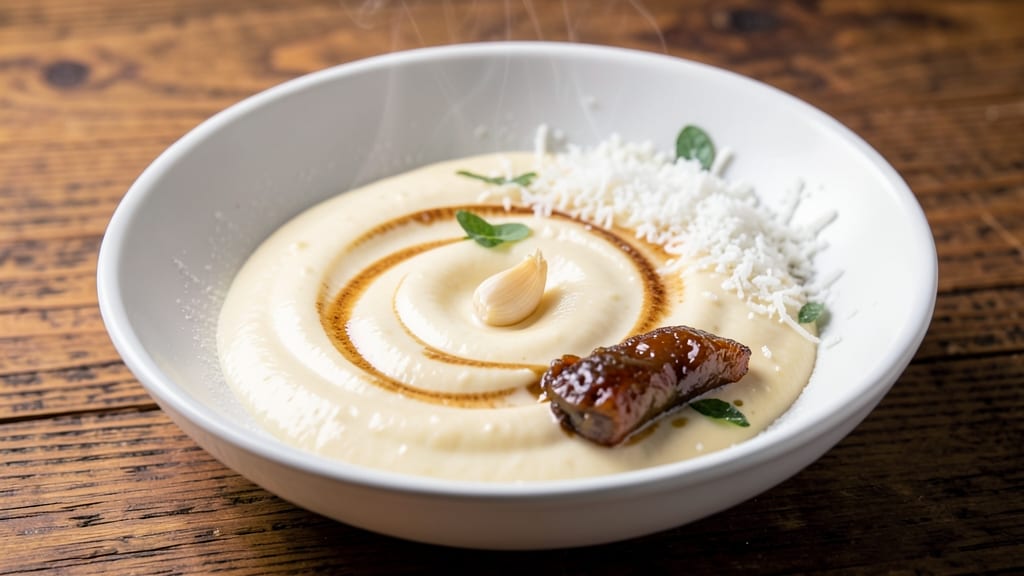
This alfredo sauce recipe for 1 delivers restaurant-quality creaminess in just 5 minutes—no heavy pots or sticky messes. The secret lies in precise measurements and gentle heat, ensuring a silky, velvety sauce that coats every strand of pasta perfectly.
I developed this version after years of burning through cream and struggling with lumps, and it never fails to impress.
What sets this recipe apart is the foolproof emulsification technique: melting butter, whisking in cream, then gradually adding grated Parmesan while keeping the mixture moving. This creates a sauce that's rich and smooth without separating or turning greasy.
The result is a single serving that's perfect for one person's pasta—no leftovers to worry about.
By the time you're done, you'll have a creamy, cheesy sauce that clings beautifully to fettuccine or any pasta of choice. The flavor is deeply savory with just enough tang from the Parmesan, and the texture is impossibly smooth.
This is the kind of sauce that transforms simple pasta into an indulgent meal.
For extra depth, consider adding a clove of minced garlic to the butter or finishing with fresh parsley. The sauce keeps well in the fridge for up to 3 days, making it perfect for quick weeknight dinners. Let's get started—this single-serving alfredo is about to become your new favorite shortcut.
Ingredients for alfredo sauce recipe for 1
Eight simple ingredients transform into velvety perfection—no lumps, no mess, just creamy bliss.
| Ingredient | Amount | Notes |
|---|---|---|
| Unsalted Butter 🧈 | 3 tbsp | Cold, cut into small cubes |
| Heavy Cream 🥛 | ½ cup | Full-fat for richness |
| Freshly Grated Parmesan Cheese 🧀 | ½ cup | From a block, not pre-grated |
| Garlic Cloves 🧄 | 1 whole | Minced for depth (optional) |
| All-Purpose Flour 🌾 | 1 tbsp | For smooth texture |
| Salt 🧂 | ¼ tsp | Kosher or sea salt |
| Black Pepper 🌶️ | ⅛ tsp | Freshly ground preferred |
| Fresh Parsley 🌿 | 1 tbsp | Chopped, for garnish (optional) |
| Nutritional Yeast 🍄 | 1 tsp | For extra cheesy flavor (optional) |
The butter is non-negotiable here—unsalted so you control the seasoning. Grab a stick of European-style butter if you can (like Plugrá or Kerrygold), but any good unsalted will work. The Parmesan? Freshly grated from a wedge makes all the difference—pre-grated gets clumpy and tastes like sawdust. I always buy a wedge from the deli counter and grate it myself. For the garlic, one clove is plenty—you don't want to overpower the creamy flavor. The flour is the secret to that silky texture, so don't skip it.
No heavy cream? Half-and-half works in a pinch, but the sauce won't be quite as rich. Short on Parmesan? Pecorino Romano adds a sharper bite, or swap in vegan Parmesan if needed. The nutritional yeast is optional but gives that extra umami punch—think of it as the cheater's cheesy boost. Fresh parsley brightens everything up, but dried works if you're in a hurry (use half the amount). Want to make it even easier? Pre-mince the garlic in a small bowl while you melt the butter—saves time and keeps things tidy.
This sauce is made to be used immediately, but it keeps beautifully in the fridge for 3 days if you must. Store it in a small jar with a tight lid—cover the surface with a thin layer of olive oil to prevent a skin from forming. Reheat gently in a small saucepan over low heat, stirring constantly until warm. For extra convenience, portion it into 1-ounce silicone molds before chilling—just pop one out when you're ready to use it. Leftovers? Toss them with pasta and a splash of pasta water to refresh.
Why You'll Love This Recipe
- No-Fuss Single Serve: I actually use this when I’m too tired to measure—just melt butter, toss in flour, then pour in cream while stirring. The sauce thickens itself, no fussing with a whisk for hours.
- Garlic-Cream Magic: That first bite of buttery, garlicky richness? It’s like a warm hug for your taste buds. The heavy cream makes it velvety, while the Parmesan adds that sharp, salty punch—no weird aftertaste, just pure comfort.
- Pantry Staple Power: Honestly, I bet you already have everything. Butter, cream, flour—basic stuff. And since it’s just one serving, I’m not wasting half a block of cheese or a whole stick of butter. Plus, it costs less than takeout but tastes way better.
Step-by-step instructions for single-serving alfredo sauce
Let's make this creamy, dreamy sauce with just one pan and minimal cleanup.
Melt the Butter and Toast the Flour
In a small saucepan, melt the 3 tablespoons of cold, cubed unsalted butter over medium-low heat. I like to use cold butter because it creates tiny pockets of steam that help emulsify the sauce later. Watch carefully—you want the butter to melt completely but not brown.
Once fully melted, reduce the heat to low and whisk in the 1 tablespoon of all-purpose flour. Stir continuously for 1-2 minutes until the mixture forms a smooth, pale roux. This step is crucial—it removes the raw flour taste and creates the velvety base for your sauce. If it starts to smell nutty, you've gone too far and need to start over.
Add Garlic and Cream
Push the roux to the sides of the pan and add the 1 minced garlic clove. Cook for 30 seconds until fragrant—don't let it brown or it'll turn bitter. Immediately pour in the ½ cup of heavy cream all at once, whisking constantly to prevent lumps from forming.
Bring the mixture to a gentle simmer and let it cook for 3-4 minutes until it thickens slightly. You'll see the sauce begin to coat the back of a spoon. This is where the magic happens—the cream infuses with the garlic flavor while the roux thickens into a silky texture. If it gets too thick too quickly, add 1 tablespoon of water to loosen it.
Incorporate the Cheese and Season
Lower the heat to lowest setting and gradually whisk in the ½ cup of freshly grated Parmesan cheese. I find it works best to add it in 3 additions, letting each batch melt completely before adding more. The cheese should dissolve smoothly—if you see any graininess, you're adding it too quickly. Stir in the 1 teaspoon of nutritional yeast (if using) for that extra cheesy depth.
Season with ¼ teaspoon of salt and ⅛ teaspoon of black pepper, then taste. Alfredo sauce should be rich but not overly salty—adjust to your preference. The sauce is ready when it's completely smooth and coats the back of a spoon. If it's still too thin, simmer for another 1-2 minutes to thicken.
Finish and Garnish
Remove the pan from heat and stir in the 1 tablespoon of chopped fresh parsley. This adds a bright, fresh note that cuts through the richness. Let the sauce sit for 1 minute—this resting time helps all the flavors meld together perfectly. If you're using this sauce immediately, give it a final taste and adjust seasoning if needed.
For best results, serve the sauce immediately over your favorite pasta or protein. If you need to reheat later, do so over low heat and stir constantly to prevent separation. The key to perfect Alfredo is keeping it creamy and smooth—never let it boil vigorously once the cheese is added, or it'll curdle.
Pro Tips For Making Alfredo Sauce Recipe For 1
- Melt Butter Slowly: Start with cold butter—drop in cubes and let them melt gently over medium-low heat. I used to rush this and ended up with greasy, separated sauce every time. Once fully melted, the butter should coat the pan evenly without browning, or you’ll taste bitterness later.
- Grind Garlic Fine: Use a microplane or garlic press instead of chopping—you want a paste, not chunks. Freshly grated garlic blends seamlessly into the sauce and doesn’t clump. (Yes, even if you’re impatient like me.)
- Whisk Like You Mean It: Once you add the flour, stir constantly for at least 2 minutes before pouring in cream. Skipping this step means lumps, and lumps mean a sauce that’s more glue than silk. A wooden spoon works, but a whisk is faster—just don’t walk away.
- Strain the Cream: After simmering, pour the sauce through a fine-mesh sieve before adding Parmesan. This catches any stray flour bits or garlic specks, giving you a velvety texture. (Your future self will notice the difference.)
Make-ahead tips for this dish
Prep Ahead for Pasta Night
Make your sauce the night before and store it in a small airtight container in the fridge. The flavors deepen overnight, and it reheats beautifully—just warm over low heat with a splash of pasta water to restore creaminess.
I like to portion it into 1-ounce silicone molds for easy single-serving use later. 🧈
Freezer-Friendly Shortcut
For true convenience, freeze your sauce in 1-tablespoon portions on a parchment-lined tray. Once frozen, transfer to a ziplock bag and store for up to 1 month. Thaw overnight in the fridge, then reheat gently.
This is perfect for busy weeknights when you need sauce ready in minutes. Just toss with fresh pasta and you're done! ❄️
Pasta Prep in Advance
Cook your pasta 1 minute less than package instructions, then shock it in ice water to stop cooking. Drain well and toss with 1 teaspoon olive oil to prevent sticking. Store in an airtight container for up to 2 days.
When ready to serve, reheat pasta in the sauce for 2-3 minutes—the residual heat finishes cooking it perfectly. 🍝
Cheese Prep Trick
Grating your own Parmesan in advance saves time. Store grated cheese in the freezer for up to 3 months—it keeps better than you'd think! I like to grate ½ cup at a time and store it in a small jar with the lid tightly sealed.
When ready to use, just scoop directly into your sauce. Freshly grated always tastes better, but this shortcut works beautifully. 🧀
Garlic Prep Hack
Mince 2-3 extra garlic cloves and store them in a small container in the fridge for up to 1 week. This way, you'll always have prepped garlic ready when you need it.
Just add 1 clove to your sauce as directed—no chopping required! This simple step cuts prep time by half. 🧄
Sauce Storage Secrets
To prevent a skin from forming, cover your stored sauce with a thin layer of olive oil before sealing the container. This creates a protective barrier that keeps the surface smooth.
When reheating, stir gently over low heat and add 1 tablespoon of water if it thickens too much. The result is always creamy and delicious! 💡
Nutrition facts
Frequently asked questions
Can I make this sauce without heavy cream?
Yes! For a lighter version, substitute the ½ cup heavy cream with ½ cup whole milk or ½ cup half-and-half. The sauce will be slightly less rich but still creamy. For a dairy-free option, use ½ cup full-fat coconut milk—just add it gradually while whisking to prevent curdling.
Why did my sauce turn grainy when adding cheese?
Graininess happens when cheese melts too quickly or the heat is too high. Always add cheese gradually over low heat while whisking constantly. If it happens, immediately remove from heat and whisk in 1 teaspoon of cold water to smooth it out. For extra insurance, temper the cheese by mixing it with a bit of warm sauce before adding it all at once.
How do I keep this sauce from separating when reheating?
Reheat gently over low heat and stir constantly. If it thickens too much, add 1 tablespoon of warm water or pasta water to restore creaminess. For extra stability, stir in ½ teaspoon of cornstarch mixed with 1 teaspoon of cold water while reheating. Never microwave—it causes separation.
Can I use pre-shredded Parmesan?
Pre-shredded cheese contains anti-caking agents that make it harder to melt smoothly. For best results, always use freshly grated Parmesan from a block. If you must use pre-shredded, pick the kind labeled "grated for cooking" and add it very gradually while whisking vigorously.
What's the best pasta to pair with this sauce?
This single-serving sauce works best with fettuccine or tagliatelle—their flat surfaces catch the sauce beautifully. For extra indulgence, try fresh egg noodles or pappardelle. Avoid thick, ridged pastas like penne—they don't hold sauce as well. Cook pasta 1 minute less than package instructions for the perfect al dente finish.