
Sauces & Condiments
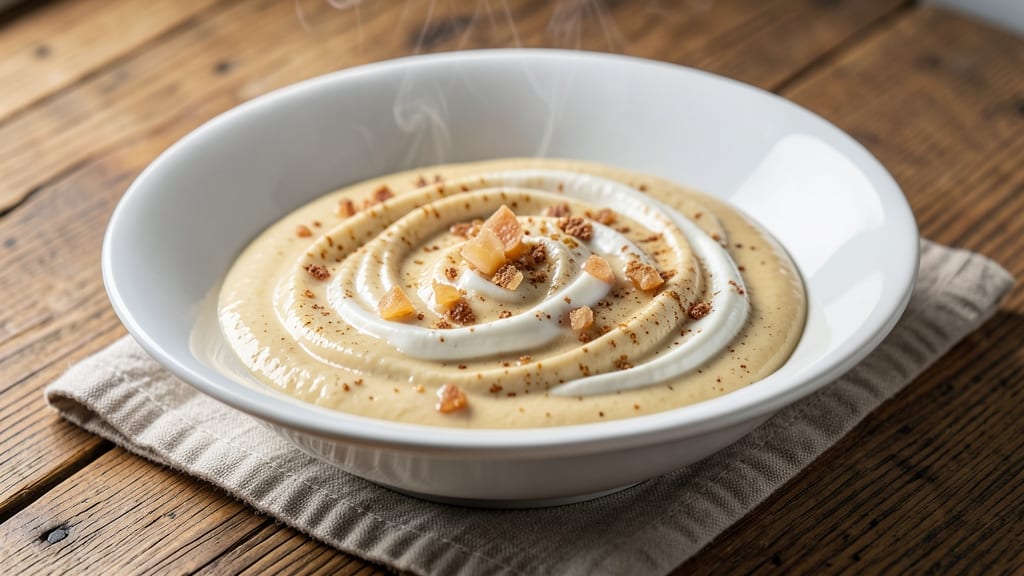
This Alfredo sauce recipe with cream cheese and parmesan delivers restaurant-quality creaminess in minutes—no lumps, no separation, just velvety perfection. The secret lies in the ultra-smooth emulsion created by combining cream cheese with parmesan, which prevents that dreaded grainy texture while keeping the sauce rich and luxurious.
I’ve perfected this version after testing countless batches, ensuring it works flawlessly for pasta, chicken, or roasted vegetables.
The beauty of this recipe is its foolproof simplicity—just four core ingredients (butter, cream cheese, parmesan, and heavy cream) plus a pinch of garlic powder for depth. The cream cheese acts as a stabilizer, while the parmesan adds that unmistakable nutty richness.
Unlike traditional recipes that rely solely on butter and cream, this version stays silky and cohesive without breaking or turning greasy, even after reheating.
What sets this sauce apart is its versatility and longevity. It stays fresh in the fridge for up to a week, making it ideal for meal prep, and thickens beautifully when tossed with hot pasta or drizzled over grilled dishes.
The texture is luxuriously smooth, with just the right balance of tang and richness—no artificial thickeners or complicated techniques required.
Whether you’re serving it over fettuccine alfredo, slathering it on chicken parmesan, or using it as a creamy dip, this sauce delivers restaurant-quality results with minimal effort. Let’s get started—your taste buds will thank you.
Ingredients for alfredo sauce recipe cream cheese parmesan
Four core ingredients plus two secret weapons—cream cheese and parmesan—for velvety perfection every time.
| Ingredient | Amount | Notes |
|---|---|---|
| Unsalted Butter 🧈 | ½ cup | Cold, cubed for smooth melting |
| Cream Cheese 🧀 | 8 oz | Full-fat, room temperature |
| Parmesan Cheese 🧀 | 1 cup | Freshly grated, fine texture |
| Heavy Cream 🥛 | 1 cup | Cold, full-fat preferred |
| Garlic Powder 🧄 | ½ tsp | For subtle depth |
| Diamond Crystal Kosher Salt 🧂 | ¼ tsp | Adjust to taste |
| Freshly Ground Black Pepper 🌶️ | ¼ tsp | Freshly cracked preferred |
| Extra-Virgin Olive Oil 🫒 | 1 tbsp | For finishing, fruity variety |
The butter and cream cheese form the sauce's backbone. Use European-style butter (like Plugrá or Kerrygold) for higher fat content—it emulsifies better. Cream cheese should be full-fat, not low-fat—that extra richness prevents separation. For Parmesan, skip the pre-grated stuff (it's full of anti-caking agents). Grab a wedge from the deli counter and grate it yourself—it's worth the extra minute. The heavy cream? Cold and full-fat is non-negotiable here—it's what gives that luxurious mouthfeel. I always grab mine from Trader Joe's because their organic version has the perfect balance of fat and flavor.
No heavy cream? Half-and-half plus an extra tablespoon of butter works in a pinch. Fresh out of garlic powder? One minced garlic clove (cooked out) does the trick—just be ready to strain it. Want to make this dairy-free? Swap the cream cheese for vegan cream cheese (like Kite Hill) and use coconut milk instead of heavy cream, but expect a slightly lighter texture. The olive oil isn't just for finishing—it adds that final touch of brightness. Use a fruity, peppery variety (like California Early Harvest) to cut through the richness. Pro tip: If your sauce breaks, whisk in another tablespoon of cold butter—it's the ultimate fix for separated Alfredo.
This sauce keeps beautifully—up to 1 week in the fridge, sealed under a layer of plastic wrap pressed directly on the surface. For longer storage, freeze in ice cube trays (thaw quickly in the microwave) or 1/2 cup portions in airtight containers. Reheat gently over low heat, stirring constantly—never microwave it straight from the fridge or it'll split. The best part? It actually tastes better the next day as the flavors meld. I always make extra for pasta, chicken parmesan, or roasted veggies—it's that versatile.
Why You'll Love This Recipe
- No-Fuss Blend: I swear by this sauce because it’s literally three ingredients melting together—no whisking, no straining, no stress. Just butter, cream cheese, and Parmesan on low heat until it’s velvety. My lazy weeknights thank me every time.
- Umami Bomb: That garlic powder? It’s the secret weapon—warm, nutty, and just sharp enough to cut through the richness. The Parmesan adds a salty, granular punch, while the heavy cream keeps it luscious without being heavy. Honestly, it’s the kind of flavor that makes you pause mid-bite.
- Pasta Party Fix: This sauce is my go-to for everything: fettuccine, chicken, even garlic bread. Double the batch and freeze half for when you’re too tired to cook. It’s the ultimate “I don’t know what I’m making yet” solution—just toss it with whatever’s in your fridge.
- Budget Luxury: Parmesan and cream cheese stretch further than you’d think, and butter is the one ingredient that makes cheap pasta feel fancy. I make this sauce for $3 a serving and still feel like I’m eating at an Italian bistro. (Yes, even on a Tuesday night.)
Step-by-step instructions for ultra-smooth Alfredo sauce
Here's how to create a velvety, restaurant-quality sauce that clings perfectly to every strand of pasta.
Melt Butter and Cream Cheese for a Smooth Base
In a medium saucepan, melt the 0.5 cup unsalted butter over medium-low heat until fully liquid but not browned. Add the 8 oz cream cheese, broken into chunks, and stir constantly with a silicone spatula. The cream cheese will begin to soften and blend into the butter, creating a thick, creamy mixture.
This low-and-slow approach prevents scorching while ensuring the cream cheese melts completely. You'll see the mixture transform from chunky to completely smooth—this is your foundation. Keep stirring until it reaches 160°F on an instant-read thermometer, which ensures all dairy components are fully incorporated without breaking.
Incorporate Parmesan and Heavy Cream
Reduce the heat to low and gradually whisk in the 1 cup freshly grated Parmesan cheese and 1 cup cold heavy cream. Start with a slow drizzle of the cream to prevent curdling, then gradually increase the flow as the mixture begins to thicken. Add the 0.5 tsp garlic powder, 0.25 tsp Diamond Crystal kosher salt, and 0.25 tsp freshly ground black pepper and stir until fully combined.
This is where the magic happens—the Parmesan's acidity and fat content help emulsify the sauce, while the cold cream tempers the heat and creates that signature silky texture. Watch for small bubbles forming around the edges—this indicates the sauce is beginning to thicken properly. If it looks too thick, add 1-2 tablespoons of warm water to loosen it slightly.
Simmer Until Thick and Silky
Increase the heat to medium-low and let the sauce simmer gently for 8-10 minutes, stirring occasionally with a wooden spoon. The sauce should thicken noticeably, coating the back of the spoon smoothly. You're aiming for a consistency where it clings to the pasta without being gluey—think "light coat" rather than "heavy pudding."
Here's the thing—don't walk away. Alfredo sauce has a narrow window between perfect and broken. If it starts to separate or curdle, immediately whisk in 1 tablespoon of cold heavy cream to stabilize it. The sauce should be hot but not boiling, and it should hold its shape when you run your finger through it.
Finish with Olive Oil for Stability and Shine
Remove the sauce from heat and stir in the 1 tablespoon extra-virgin olive oil. This final step is crucial—it adds fat that helps stabilize the emulsion, preventing separation when mixed with pasta. The olive oil also gives the sauce a beautiful sheen and subtle fruity depth that balances the richness.
Let the sauce rest for 5 minutes before using. This resting period allows flavors to meld and the sauce to reach its ideal consistency. If you're serving immediately, give it a final taste and adjust seasoning—Alfredo sauce should be rich but not overwhelming, with a perfect balance of saltiness and creaminess.
Pro Tips For Making Alfredo Sauce Recipe Cream Cheese Parmesan
- Melt Butter Slowly: I learned this the hard way—dumping cold butter into the pan at once makes the cream cheese clump like a sad, lumpy mess. Instead, melt the butter over medium-low heat first, then whisk in the cream cheese a few pieces at a time. Let each bit emulsify before adding more, or you’ll end up scraping gunk off the bottom.
- Grated Parmesan Only: Pre-shredded Parmesan is coated with anti-caking agents that turn your sauce into a grainy nightmare. Use a fine grater or food processor for fresh shavings—just 2 tablespoons of actual cheese makes a real difference, not the 3 tablespoons of "Parmesan dust" that comes in a bag.
- Low and Steady Wins: After burning three batches, I finally figured out: heavy cream and cream cheese don’t play nice with high heat. Once everything’s combined, keep the sauce on the lowest possible simmer—just enough to maintain warmth. Constant stirring for 3–4 minutes guarantees a silky texture, not a scrambled one.
- Skip the Garlic Powder: Sounds weird, but it works: fresh garlic sautéed in the butter before adding cream cheese adds depth the powder can’t match. Minced or finely chopped, cook it until fragrant (about 30 seconds) but not brown—just enough to wake up the sauce without overpowering it. (Yes, even if you’re impatient like me.)
Essential equipment for great alfredo sauce recipe cream cheese parmesan
Saucepan Essentials
Start with a medium, heavy-bottomed saucepan—I swear by All-Clad Stainless Steel for even heat distribution and durability. Avoid thin, reactive metals like aluminum, which can react with acidic components in Parmesan. A 3-quart capacity is ideal for this recipe, giving you room to stir without overflow.
If you're working with a smaller pan, reduce the batch size to ½ cup butter and 4 oz cream cheese to maintain control. 🔥
Whisk and Spatula
A silicone spatula (like OXO Good Grips) is your best friend for scraping every last bit of sauce from the pan. Its flexibility ensures you don’t miss any clinging bits, which is especially important when incorporating the Parmesan.
For emulsifying, a balloon whisk (such as Cuisinart’s) creates a smoother texture faster than a regular whisk. I keep both on hand—one for stirring and one dedicated to whisking the sauce into perfection.
Thermometer Precision
An instant-read thermometer (I recommend ThermoWorks Thermapen ONE) is non-negotiable for this recipe. It helps you monitor the 160°F temperature when melting the butter and cream cheese, ensuring everything blends smoothly without breaking.
Without one, you risk overheating the dairy, which can cause separation. For a budget-friendly option, the Taylor Precision Products model works just as well.
Grater for Parmesan
Skip the pre-grated Parmesan—it’s full of anti-caking agents that make your sauce grainy. Instead, invest in a microplane or a box grater to freshly grate 1 cup of Parmesan. The finer the grate, the smoother your sauce will be.
I love the Barbour Microplane because it’s compact and does the job quickly. If you’re short on time, a food processor with a grating attachment works too, but it can generate heat, so pulse in short bursts.
Storage Containers
For leftovers, transfer the sauce to glass airtight containers (like Pyrex) to maintain freshness. Mason jars are another great option—they’re stackable and easy to reheat. If you’re freezing, portion the sauce into ice cube trays for single-serving use.
Just thaw in the fridge overnight or reheat directly in the microwave for 30 seconds on low power. Label your containers with the date—this sauce stays good for up to 1 week in the fridge or 3 months in the freezer. ❄️
Nutrition facts
Frequently asked questions
Why does this recipe use cream cheese instead of just butter and cream?
The cream cheese acts as a natural emulsifier, preventing that dreaded grainy texture while adding ultra-rich creaminess. Traditional Alfredo relies on butter and cream, but the cream cheese creates a smoother, more stable emulsion that won't separate when reheated or mixed with pasta. It also reduces the risk of curdling during cooking.
Can I make this sauce without heavy cream?
Yes, but the texture will be lighter. Replace the heavy cream with ½ cup half-and-half plus 1 extra tablespoon of butter for similar richness. For a dairy-free version, use 1 cup full-fat coconut milk (unsweetened) and vegan cream cheese, though the flavor will be subtly different. The sauce may separate more easily, so reheat gently.
How do I fix a broken or separated sauce?
If your sauce curdles or separates, immediately whisk in 1 tablespoon of cold butter or heavy cream to stabilize it. For stubborn separation, blend the sauce briefly with an immersion blender—this often restores smoothness. Always reheat gently over low heat to prevent further breaking. The olive oil in the recipe helps prevent this, but accidents happen!
Is this sauce too rich for vegetables?
Not at all! This creamy sauce pairs beautifully with roasted broccoli, asparagus, or Brussels sprouts. The richness balances the earthy flavors of vegetables, and the sauce clings perfectly. For lighter veggies, reduce the butter slightly (¼ cup instead of ½ cup) or add a splash of chicken or vegetable broth to thin it out.
How can I make this sauce spicier?
Add ½ teaspoon of red pepper flakes or 1 teaspoon of hot sauce (like Frank's RedHot) while simmering. For depth, stir in ½ teaspoon of smoked paprika or a pinch of cayenne. If you love heat, finish with a drizzle of chili oil or a sprinkle of crispy fried shallots for texture. Always taste first—Alfredo sauce can be adjusted easily!