
Sauces & Condiments
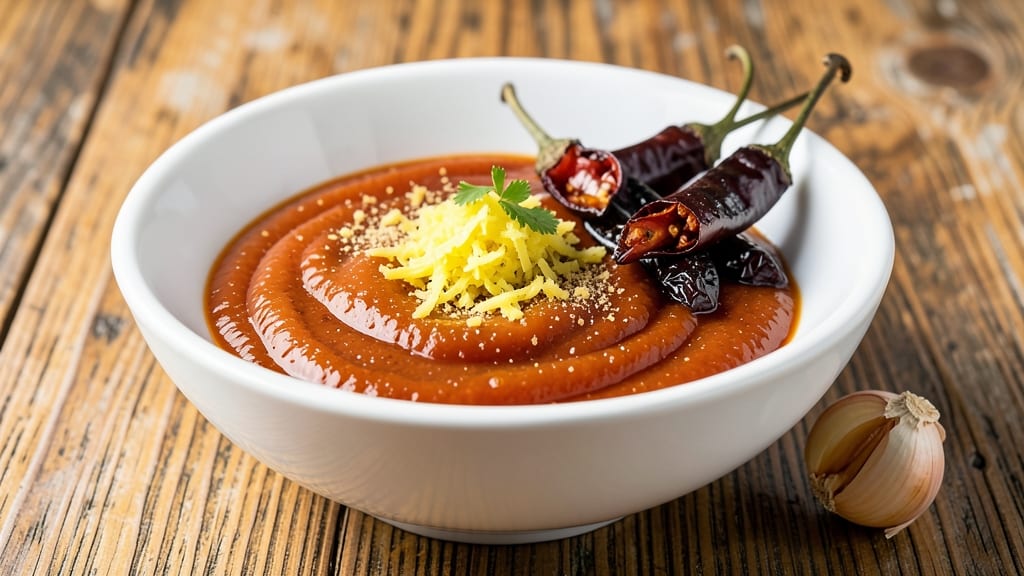
This T&L hot dog sauce recipe delivers the perfect balance of smoky chipotle heat, tangy tomato depth, and a hidden horseradish kick that transforms ordinary hot dogs into a gourmet experience.
The secret lies in simmering a precise blend of vinegar, spices, and fresh ingredients until the flavors meld into a rich, velvety sauce with just the right amount of viscosity. I developed this version after years of experimenting with commercial brands that never quite captured the restaurant-quality texture and flavor.
The sauce begins with a base of tomato paste and apple cider vinegar, which creates that signature tangy backbone. Smoked chipotle peppers in adobo sauce add layers of smoky heat, while fresh horseradish provides a subtle, sharp punch that lingers on the palate.
The blend of spices—garlic powder, onion powder, and a touch of cayenne—enhances the depth without overpowering the natural flavors. This recipe is designed to be made in batches, so you can enjoy the sauce for weeks without sacrificing freshness.
What sets this sauce apart is its ability to elevate any hot dog—whether you're serving them with classic toppings or as part of a gourmet spread. The sauce thickens just enough to cling beautifully to hot dogs, buns, or even as a dipping sauce for fries.
It’s versatile enough for game day, backyard barbecues, or a simple weeknight meal, yet refined enough to impress guests at a casual gathering.
Once you taste the difference, you’ll never go back to store-bought. The sauce keeps well in the refrigerator for up to two weeks, making it a perfect make-ahead condiment. Here’s how to create this restaurant-inspired sauce at home.
Ingredients for t&l hot dog sauce
Nine simple ingredients transform basic hot dogs into a gourmet experience with smoky, tangy depth.
| Ingredient | Amount | Notes |
|---|---|---|
| Tomato Paste 🍅 | ½ cup | Canned, unsweetened preferred |
| Apple Cider Vinegar 🍏 | ½ cup | Raw, unfiltered for tang |
| Smoked Chipotle Peppers in Adobo 🌶️ | 3 whole | Minced, seeds removed |
| Fresh Horseradish 🌿 | 1 tbsp | Grated, for sharp kick |
| Garlic Powder 🧄 | 1 tsp | Freshly ground preferred |
| Onion Powder 🧅 | 1 tsp | Not onion salt |
| Cayenne Pepper 🔥 | ¼ tsp | Adjust for heat preference |
| Brown Sugar 🍚 | 1 tbsp | Light or dark works |
| Salt 🧂 | 1 tsp | Kosher or sea salt |
| Black Pepper 🌶️ | ½ tsp | Freshly ground preferred |
| Water 💧 | 1 cup | Filtered for best flavor |
The chipotle peppers are the heart of this sauce—look for the smoky ones in adobo sauce at Latin markets or the international aisle. Trader Joe's usually carries them, and they're worth hunting down for that authentic restaurant flavor. Fresh horseradish is key too; the pre-grated kind loses its punch fast. If you can't find fresh, horseradish powder at half the amount works, but it won't have that same sharp bite. For the tomato paste, San Marzano is ideal if you want to splurge, but any good-quality canned paste will do. The vinegar should be raw apple cider—it's got more complexity than white vinegar.
No chipotle peppers in adobo? Substitute smoked paprika plus a pinch of cayenne for the smoky heat, but you'll lose that deep adobo flavor. Running out of fresh horseradish? Wasabi paste at half the amount gives a similar sharpness. The brown sugar adds just enough sweetness to balance the tang—coconut sugar works too if you're avoiding refined sugar. For the spices, Penzeys or bulk bins have the freshest ground spices, but the regular grocery store stuff is fine if it's labeled 'freshly ground.' The sauce thickens as it cools, so don't worry if it looks too thin right after simmering.
This sauce tastes even better the next day as the flavors meld. Store it in a glass jar in the fridge for up to 2 weeks. It thickens over time, so add a splash of water if it gets too stiff. I like to make a big batch—doubling the recipe means I always have some on hand for game days. Freezes beautifully for up to 6 months, though the texture might change slightly after thawing. The horseradish flavor actually intensifies when stored, so don't be afraid to make extra.
Why You'll Love This Recipe
- Five-Ingredient Magic: I swear by this—just tomato paste, vinegar, chipotle, horseradish, and garlic powder. That’s it. No clutter, no stress, just deep, tangy, smoky heat in 15 minutes.
- Smoky Kick Without Effort: The chipotle peppers in adobo give this sauce a slow-cooked depth, while the horseradish cuts through it like a bright, zesty finish. Honestly, it’s the kind of flavor that makes you want to eat it straight from the spoon.
- Game Day & Grill Hero: Between us, this sauce is my go-to for ball games, backyard BBQs, or even a lazy Sunday brunch. Drizzle it on hot dogs, slather it on burgers, or toss it with fries—it’s that flexible.
- Makes Leftovers Worth It: I always double the batch. The sauce keeps for weeks in the fridge, and the taste only gets better as the flavors meld. Budget win? Absolutely. Time win? Even better.
Step-by-step instructions for smoky chipotle-tomato hot dog sauce
Here's how to blend bold flavors into a sauce that'll elevate every hot dog experience.
Prepare the Chipotle-Horseradish Base
In a medium saucepan, combine the 0.5 cup tomato paste and 0.5 cup apple cider vinegar. Stir over medium heat for 3 minutes until the tomato paste dissolves completely and the mixture begins to bubble gently. This creates a smooth foundation that won't clump later.
While the mixture heats, carefully mince the 3 whole smoked chipotle peppers in adobo, removing the seeds first. Add them to the saucepan along with the 1 tablespoon grated fresh horseradish. Stir well to distribute the heat and sharpness evenly. The sauce should smell deeply smoky with a bright horseradish tang—this is your flavor backbone.
Build Depth with Spices and Sweetness
Add the 1 teaspoon garlic powder, 1 teaspoon onion powder, 0.25 teaspoon cayenne pepper, 1 tablespoon brown sugar, 1 teaspoon salt, and 0.5 teaspoon black pepper all at once. Stir vigorously for 1 minute to fully incorporate all the spices into the sauce. The brown sugar will begin to dissolve, creating a subtle caramelized depth that balances the heat.
Here's the thing—don't be tempted to rush this step. The spices need time to bloom and meld with the tomato and vinegar. You'll notice the sauce darken slightly and develop a richer aroma. This is when all the flavors start coming together, so keep stirring occasionally for another 2 minutes until everything is fully combined.
Simmer and Reduce for Perfect Consistency
Pour in the 1 cup water and bring the mixture to a gentle simmer over medium-low heat. Let it cook uncovered for 15-20 minutes, stirring occasionally, until the sauce thickens to a velvety consistency that coats the back of a spoon. You're looking for a sauce that's thick enough to cling to hot dogs but still flows smoothly—not gluey, not watery.
Real talk: If the sauce reduces too quickly and becomes too thick, simply add 1 tablespoon water at a time until you reach the perfect consistency. The sauce should be glossy with a slight sheen, indicating it's reached the ideal balance between tangy, smoky, and sweet. Taste as you go—this is where you can adjust the heat or sweetness to your preference.
Cool and Store for Maximum Flavor Development
Remove the sauce from heat and let it cool to room temperature. This cooling process allows all the flavors to fully meld together. I know it's tempting to use it immediately, but trust me—waiting 30 minutes before serving makes a world of difference in flavor depth.
Transfer the cooled sauce to an airtight container and refrigerate for at least 1 hour before using. The flavors will continue to develop and intensify during this time. This sauce keeps well in the fridge for up to 2 weeks, making it perfect for batch cooking. When you're ready to serve, give it a quick stir—you'll be rewarded with a sauce that's perfectly balanced between smoky, tangy, and just a hint of fiery kick.
Pro Tips For Making T&L Hot Dog Sauce
- Simmer the Chipotles: Don’t just toss in whole chipotle peppers—mash or finely chop them first, then simmer in the sauce for 5-7 minutes. I learned this the hard way: whole peppers leave bitter chunks, while chopped ones blend smoothly and release their smoky depth faster.
- Balance the Vinegar Slowly: Add apple cider vinegar a tablespoon at a time while tasting. Too much upfront and the sauce turns sharp; too little and the heat feels flat. I used to dump it all in at once—now I adjust as I go.
- Grind the Horseradish Fresh: Skip the pre-grated horseradish—it loses punch fast. Use a microplane or knife to grate it right before mixing, then let it sit in the sauce for 10 minutes. The freshness cuts through the tomato paste’s richness and keeps the heat vibrant.
- Low and Slow for Depth: Reduce the sauce on low heat for 15-20 minutes, stirring often. Rushing it makes it cloying; letting it simmer gently lets the flavors meld. I was skeptical until I tried it—now it’s non-negotiable.
Essential equipment for perfect results
Small Saucepan
Start with a medium saucepan—I use my All-Clad stainless steel because it distributes heat evenly and prevents scorching. A 3-quart pan works perfectly for this recipe, giving enough room for the sauce to simmer without boiling over.
If you don’t have stainless steel, a heavy-bottomed enamel pan will do just fine—just keep an eye on it to avoid sticking. 🔥
Immersion Blender
After simmering, you’ll want to blend the sauce until smooth. An immersion blender like the Ninja BN601 makes this easy—just submerge it and pulse until you reach the perfect velvety texture. No need for a full blender, which can be messy and difficult to clean afterward.
If you don’t have one, a high-speed blender works, but you’ll need to transfer the sauce carefully to avoid splatters.
Fine-Mesh Strainer
A fine-mesh strainer is essential for removing any unwanted bits from the chipotle peppers or horseradish. I like the OXO Good Grips because it’s sturdy and easy to clean. If you skip this step, you might end up with tiny seeds or bits in your sauce, which can be unpleasant.
For extra smoothness, press the mixture through the strainer with a spoon—this ensures a silky finish every time. 🌶️
Measuring Spoons
Precision matters with spices, so invest in a set of stainless steel measuring spoons—I recommend OXO’s Good Grips for their accuracy and durability. These ensure you’re adding the exact 0.25 teaspoon cayenne or 1 teaspoon garlic powder without guesswork.
Cheap plastic spoons can be inaccurate, leading to uneven heat or flavor. Keep them handy near your stove for quick adjustments during cooking.
Glass Jars with Lids
For storage, glass jars with airtight lids are a must. I use Ball Mason jars because they’re reusable, microwave-safe, and keep the sauce fresh for up to 2 weeks in the fridge. Avoid plastic containers—they can absorb odors and flavors over time.
Label your jars with the date so you can track freshness. A quart-sized jar is ideal for batch cooking and easy serving. ❄️
Wooden Spoon
A wooden spoon is perfect for stirring the sauce without scratching your pan. I prefer olive wood because it’s gentle on non-stick surfaces and adds a natural touch to the kitchen. Avoid metal spoons—they can react with the acidic vinegar and alter the sauce’s flavor.
A long-handled spoon also makes it easier to stir without burning your hand, especially during the simmering phase.
Nutrition facts
Frequently asked questions
Can I make this sauce without fresh horseradish?
Yes! Use ½ tablespoon horseradish powder or ½ tablespoon wasabi paste instead. The flavor won't be identical, but it'll still give that sharp kick. For a milder version, skip it entirely and add an extra pinch of cayenne for heat.
How spicy should this sauce be?
The recipe balances smoky chipotle and horseradish for a medium heat level. For less spice, reduce cayenne to ¼ teaspoon. For more kick, add ½ teaspoon extra cayenne or a dash of hot sauce. Always taste as you go!
Can I use this sauce on foods other than hot dogs?
It's perfect for grilled chicken, burgers, fries, or even as a marinade for steak or pork chops. The tangy-sweet profile works well with almost any protein. Try it on cornbread or mac and cheese too!
Why does my sauce look too thin after simmering?
The sauce thickens as it cools. If it's still too thin after refrigerating, simmer uncovered for 5-10 more minutes or stir in 1 teaspoon cornstarch mixed with 1 tablespoon water. Never thicken with flour—it can make the sauce cloudy.
How do I adjust the sweetness if I don't like brown sugar?
Swap the 1 tablespoon brown sugar for ½ teaspoon maple syrup or ½ teaspoon honey to reduce sweetness. For a sugar-free version, omit it entirely—the vinegar and tomato already provide enough tang. The sauce will still taste balanced!