
Sauces & Condiments
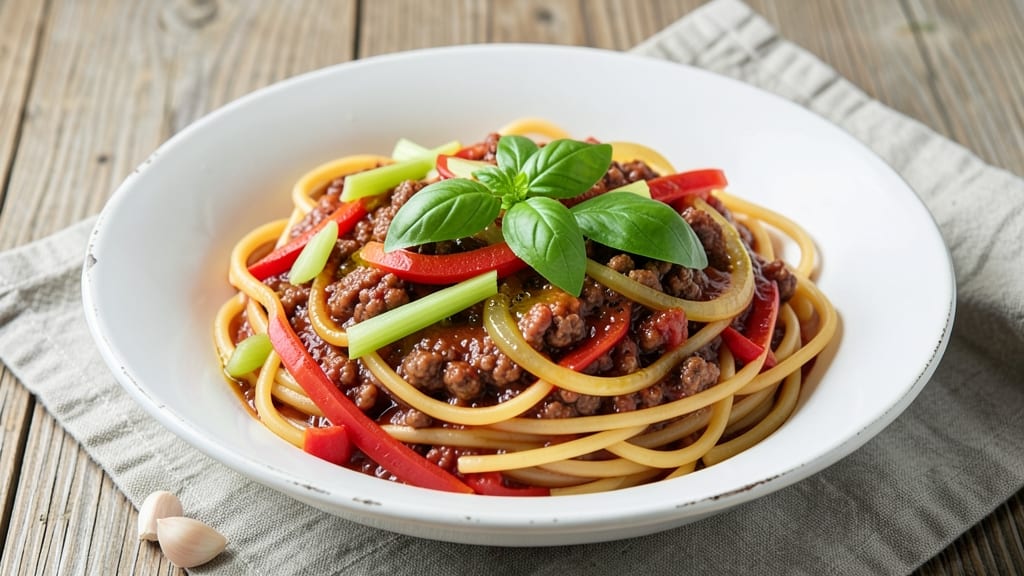
This Mutti pasta sauce recipe transforms simple ingredients into a rich, slow-simmered masterpiece that captures the heart of Italian home cooking. 💛 The secret lies in balancing deep tomato flavor with fresh herbs, creating a sauce that clings perfectly to al dente pasta while delivering layers of savory depth.
Unlike quick sauces, this one develops its complexity over time—patient simmering transforms humble ingredients into something restaurant-worthy.
What sets this recipe apart is its authenticity rooted in tradition. The sauce begins with a soffritto of onions, carrots, and celery—Italy’s holy trinity—slowly caramelized before adding ground meat and tomatoes.
Fresh basil and parsley are added at the end to preserve their vibrant flavors, ensuring each bite tastes like a taste of Italy. The result? A sauce that’s rich yet balanced, meaty yet bright, and perfect for feeding a family or impressing guests.
This complete dish includes both the sauce and the pasta preparation, ensuring every element comes together seamlessly. The sauce’s velvety texture coats each strand of pasta, while the al dente strands provide the perfect bite.
Serve with crusty bread to soak up every last drop or pair with a simple side salad for a well-rounded meal. The beauty of this recipe lies in its versatility—equally at home as a weeknight dinner or a special occasion dish.
For those eager to elevate their Italian cooking, this recipe delivers professional-quality results with simple techniques. The slow simmering process might take time, but the payoff is a sauce that tastes like it’s been simmering for hours.
Whether you’re a seasoned cook or a beginner, this Mutti pasta sauce will become a staple in your repertoire. Let’s get started on creating something truly special.
Ingredients for mutti pasta sauce
Here's what you'll need to create this restaurant-quality Mutti pasta sauce at home.
| Ingredient | Amount | Notes |
|---|---|---|
| Mutti Spaghetti 🍝 | 12 oz | Al dente preferred |
| Ground Beef 🥩 | 1 lb | 80% lean, finely ground |
| Yellow Onion 🧅 | 1 whole | Medium size, finely diced |
| Carrots 🥕 | 2 medium | Peeled, finely chopped |
| Celery Stalk 🌿 | 2 whole | Trimmed, finely chopped |
| Garlic Cloves 🧄 | 4 cloves | Fresh, minced |
| Canned San Marzano Tomatoes 🍅 | 2 cans | 28 oz each, crushed by hand |
| Extra-Virgin Olive Oil 🫒 | ½ cup | For sautéing |
| Dry Red Wine 🍷 | ½ cup | Bold variety like Chianti |
| Fresh Basil Leaves 🌿 | ½ cup | Packed, torn by hand |
| Fresh Flat-Leaf Parsley 🌿 | ¼ cup | Chopped, for garnish |
| Salt 🧂 | 1 ½ tsp | Diamond Crystal preferred |
| Ground Black Pepper 🌶️ | ½ tsp | Freshly cracked |
| Tomato Paste 🍅 | 2 tbsp | High quality, no sugar added |
The soffritto—onion, carrots, and celery—is where the sauce's depth begins. Buy fresh produce from the local market if possible, or grab pre-chopped mirepoix from Trader Joe's for convenience. The carrots and celery should be crisp and vibrant, not limp. For the tomatoes, San Marzano cans are non-negotiable—they're sweeter and less acidic than regular canned tomatoes. The ground beef should be finely ground; 80% lean gives you that perfect meaty texture without excessive grease. If you're short on time, pre-minced garlic works, but fresh is always better.
No red wine? Substitute with beef broth—just add a splash of balsamic for depth. Fresh herbs unavailable? Dried basil at one-third the amount works in a pinch, but nothing beats the fresh stuff. The tomato paste can be skipped if you're using high-quality crushed tomatoes, but I find it adds that extra umami punch. For the pasta, Mutti spaghetti is ideal, but any good-quality pasta will do. If you're making this ahead, freeze the sauce without the pasta—it keeps for up to 3 months and tastes even better the next day.
Store the fresh herbs in a glass jar with a damp paper towel to keep them fresh for up to 5 days. The cooked sauce reheats beautifully—simply warm it on the stove with a splash of water or pasta water. It keeps in the fridge for 4-5 days, though I recommend making extra to freeze. Portion into containers for easy lunches or leftovers. The pasta should be cooked al dente—it'll finish cooking in the sauce. Always reserve some pasta water to thin the sauce if needed.
Why You'll Love This Recipe
- No-Chop Trick: I swear by this one—just dice the onion, carrots, and celery together in the food processor, pulse, and dump. That’s it. The Mutti spaghetti handles the rest like a champ.
- Meat Sauce Magic: That ground beef browns up fast, and the slow simmer with the veggies? It turns into this deep, savory sauce that clings to every strand of pasta. Honestly, I’ve never had a better weeknight meat sauce.
- Leftovers That Don’t Suck: Between us, most pasta leftovers are sad. Not this. The sauce thickens overnight, and reheating it? It’s like it was just made—richer even. I keep a jar in the fridge for lazy mornings.
- Budget-Friendly Crowd-Pleaser: Ground beef, carrots, celery—these are the ingredients that don’t break the bank. And with a whole box of Mutti spaghetti, you’ve got enough for four servings (or two if you’re me). Easy win.
Step-by-step instructions for slow-simmered tomato sauce
This method builds rich, layered flavor through careful technique and patience.
🍳 Step 1: Build the Flavor Base with Soffritto
Heat the 0.5 cup extra-virgin olive oil in a large Dutch oven over medium heat. Add the 1 whole yellow onion, 2 medium carrots, and 2 whole celery stalks—all finely chopped—and cook for 10-12 minutes until softened and translucent. This aromatic vegetable blend, called soffritto, forms the foundation of your sauce.
I press down gently with a wooden spoon during the first 5 minutes to help the vegetables release their moisture and caramelize slightly. You'll know it's ready when the vegetables lose their raw edge and begin to take on a golden hue. This step develops the sauce's depth—don't rush it.
🔥 Step 2: Brown the Ground Beef and Add Garlic
Push the soffritto to one side of the pot and add the 1 lb ground beef, breaking it up with a wooden spoon. Cook over medium-high heat for 6-8 minutes until the beef is fully browned and any pink remains disappear. This browning creates the meaty depth that balances the acidity of the tomatoes.
Once the beef is browned, stir it into the soffritto and add the 4 cloves minced garlic. Cook for another 1 minute until fragrant—garlic burns quickly, so keep an eye on it. Here's the thing: the garlic should smell pungent but not bitter. If it starts to darken too quickly, remove the pan from heat for 30 seconds to let it cool slightly.
🥘 Step 3: Develop the Sauce with Wine and Tomatoes
Pour in the 0.5 cup dry red wine and scrape up any browned bits from the bottom of the pot with a wooden spoon. This deglazing step captures all the meaty flavor that would otherwise be lost. Let the wine simmer for 3-4 minutes until it reduces by half and the alcohol smell dissipates.
Next, stir in the 2 tbsp tomato paste and cook for 2 minutes to toast it slightly—this deepens the tomato flavor. Add the 2 cans crushed San Marzano tomatoes and 1.5 tsp salt. Bring the mixture to a gentle simmer, then reduce heat to low and let it cook uncovered for 45-60 minutes. You're looking for a thick, rich consistency with visible oil sheen on top—this indicates proper reduction.
⏰ Step 4: Finish with Herbs and Seasoning
Stir in the 0.5 cup fresh basil leaves and 0.5 tsp ground black pepper during the last 10 minutes of cooking. The basil should wilt and infuse the sauce with bright, fresh flavor. Taste the sauce and adjust the seasoning if needed—you might need a pinch more salt depending on your tomatoes.
Remove from heat and let the sauce rest for 10 minutes. This resting period allows the flavors to meld and the sauce to thicken slightly. The sauce should coat the back of a spoon with a velvety texture. If it's too thick, whisk in 2-3 tablespoons of pasta water to reach your desired consistency.
🍽️ Step 5: Serve with Fresh Parsley
Just before serving, stir in the 0.25 cup chopped fresh flat-leaf parsley. This final herb addition brightens the sauce and adds a fresh, vibrant finish. Toss the sauce with the 12 oz cooked Mutti spaghetti and serve immediately, garnished with additional parsley if desired.
The sauce should be rich, balanced, and full of layered flavors—sweet from the tomatoes, savory from the meat, and bright from the fresh herbs. Each bite should deliver that perfect harmony of slow-simmered depth and fresh herb freshness that makes this sauce special.
Pro Tips For Making Mutti Pasta Sauce
- Brown the Beef Properly: Don’t just cook the ground beef—brown it. Break it into small chunks first, then spread it thinly in the pan. Let it sear undisturbed for 2-3 minutes until deeply golden, or you’ll end up with gray, mushy meat instead of rich, flavorful crumbles. (Yes, it’ll take longer, but the sauce will taste like it’s been simmering for hours.)
- Mince the Onion Fine: Skip the rough chop—this isn’t a stir-fry. Pulse the yellow onion in a food processor until it’s almost paste-like. That way, it dissolves into the sauce smoothly instead of sitting as chunks. (I used to overlook this, and the texture always felt off.)
- Sweat the Veggies Slow: Cook the carrots and celery at low heat until they’re soft but not browned—about 8-10 minutes. High heat turns them bitter, and you’ll end up with a sauce that tastes like boiled garden waste. A splash of water or broth helps steam them gently if needed.
- Toss Pasta in Sauce: Drain the Mutti spaghetti al dente, then immediately add it to the sauce off the heat. Stirring it in while still hot ensures the sauce clings to every strand instead of pooling at the bottom. (Trust me, this is the only way to avoid sad, dry pasta.)
Regional styles of this mutti pasta sauce
Northern Italian Tradition
This sauce originates from Northern Italy, where hearty meat-based ragùs are a staple. In regions like Lombardy and Emilia-Romagna, it's traditionally served with tagliatelle or pappardelle instead of spaghetti. The slow simmering technique comes from these areas, where patience creates the signature rich texture.
I remember my nonna always saying, "The best sauce is the one that simmers while you're not looking." 💛
Southern Italian Twist
Down south, especially in Naples, the sauce takes on a brighter character with more tomatoes and less meat. The San Marzano tomatoes become even more central, sometimes blended into a smoother consistency.
Fresh basil becomes essential, often added at the very end to preserve its vibrant flavor. In Sicily, you might find sweet sausage or anchovies incorporated for extra depth.
Roman Simplicity
Roman-style Mutti sauce keeps things straightforward but flavorful. The Romans focus on a perfect balance between the soffritto, meat, and tomatoes without overcomplicating. They often finish with pecorino cheese instead of parsley, adding a sharp, salty contrast.
The sauce is typically served with rigatoni or tonnarelli pasta, which holds the sauce beautifully.
Modern American Adaptations
American versions often incorporate regional ingredients like ground turkey or Italian sausage for variety. Some chefs add white beans for extra protein, creating a heartier dish. I've seen great success with adding a splash of balsamic vinegar at the end for a tangy twist.
The key is maintaining that balance between richness and brightness that makes the sauce authentic.
Vegetarian Variations
For a meat-free version, swap the beef for lentils or mushrooms and use vegetable broth instead of wine. The soffritto remains essential, and adding sun-dried tomatoes provides that deep umami flavor.
I find that a touch of nutritional yeast adds a cheesy note that works beautifully. The sauce still simmers for the same duration to develop full flavor.
Seasonal Adjustments
In summer, lighten the sauce by adding cherry tomatoes or zucchini to the soffritto. For winter, deepen the flavor with roasted root vegetables like carrots and parsnips. I often add a pinch of cinnamon during the simmering process in fall for warmth.
Each season brings its own delicious variation while keeping the core technique intact. ✨
Nutrition facts
Frequently asked questions
Can I use ground turkey instead of beef for this Mutti sauce?
Ground turkey works beautifully and keeps the dish lighter. Use 1 lb of finely ground turkey, and you may want to add 1/4 cup chicken broth to help it brown properly. The texture will be slightly different but still delicious. For extra flavor, add 1 tsp Italian seasoning when browning the meat.
How do I know when the sauce is ready?
The sauce is done when it reaches a thick, velvety consistency with a visible oil sheen on top. It should coat the back of a spoon and have a rich, aromatic smell. If it's too thick, stir in 2-3 tablespoons of pasta water to reach your desired consistency. The total cooking time should be about 1.5-2 hours including the soffritto and simmering.
What's the best way to store leftovers?
Store the sauce in an airtight container in the fridge for up to 5 days. For longer storage, freeze portions in ziplock bags for up to 3 months. When reheating, warm it gently on the stove with a splash of water or pasta water to restore its texture. Never reheat directly from frozen—thaw first.
Can I make this sauce ahead of time?
This sauce actually tastes better the next day! Prepare it completely (up to the parsley) and let it cool. Store it in the fridge for 1-2 days before serving. The flavors will deepen and meld beautifully. When ready to serve, just reheat gently and toss with fresh pasta. The sauce will be even more flavorful than when first made.
What if I don't have San Marzano tomatoes?
While San Marzano tomatoes are ideal, you can use high-quality canned crushed tomatoes. Look for brands with minimal additives. For extra depth, add 1 tbsp tomato paste along with the tomatoes and simmer for an additional 5 minutes to develop the flavor. Avoid tomato sauces with added sugar or salt.